Doaba, Agricultural region between Beas and Sutlej rivers in Punjab, India
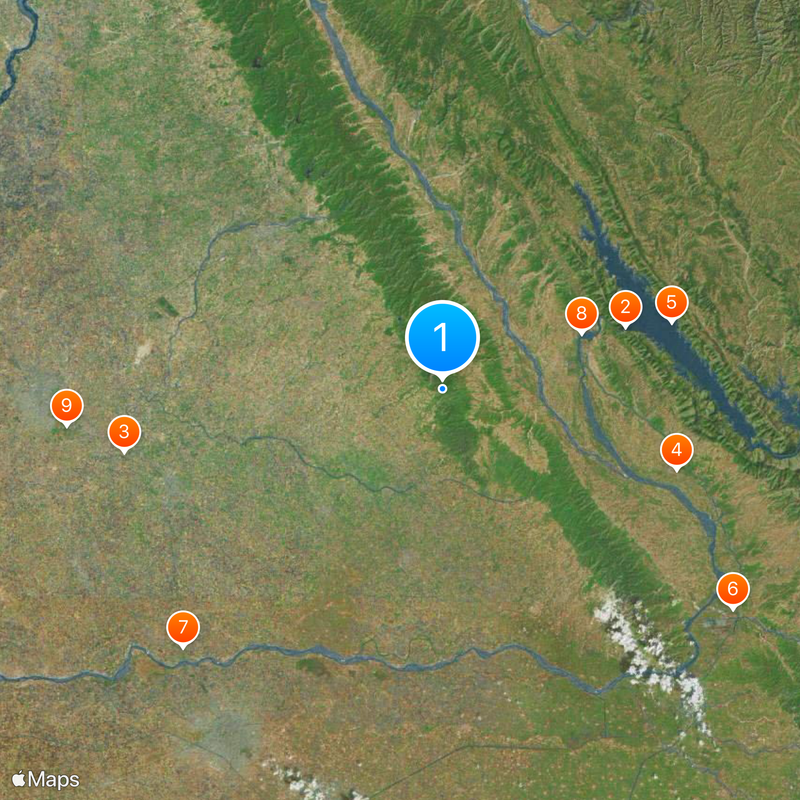
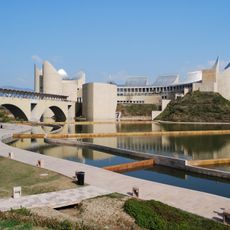
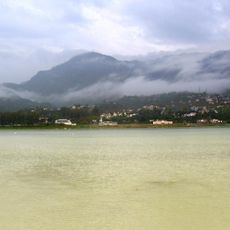
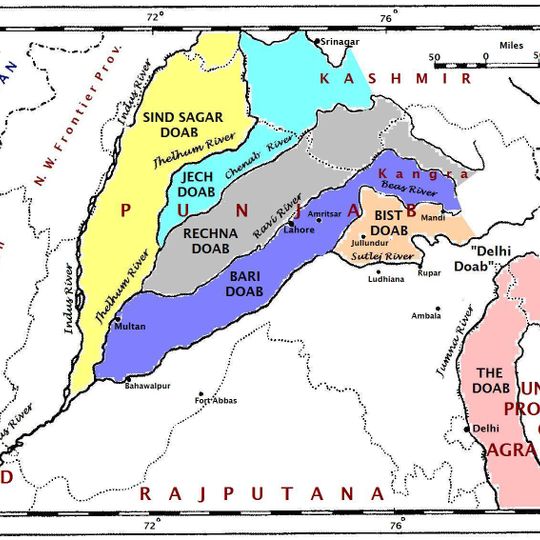
Doaba is an agricultural region nestled between two rivers in Punjab, spanning across four districts with varying landscapes. The land benefits from fertile soil built up by river deposits, which shapes how farming and water management work across the territory.
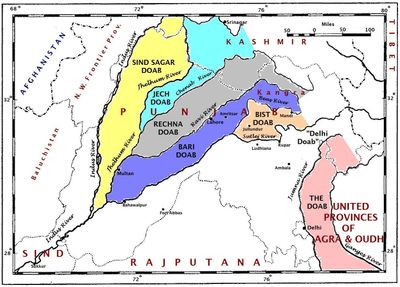
The name Doaba comes from Persian and means the area between two rivers, a term that emerged during Mughal times. A colonial administrator named Raja Todar Mal organized Punjab's river-bound zones, establishing a system that still defines the region today.
Visitors hear different Punjabi dialects spoken by locals, each reflecting the identity of smaller communities within the broader region. Agricultural celebrations draw many people, and traditional woodworking remains a visible craft in villages throughout the area.
The region is organized into distinct zones, each with different soil types and water systems that affect how farming operates. Travelers should know that the landscape changes depending on which area they visit, and these variations shape local life and activities.
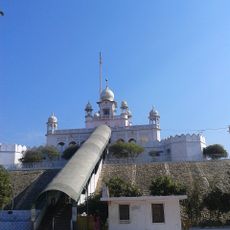
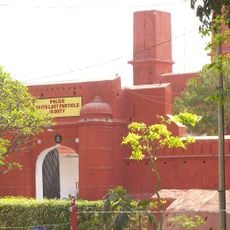
Each district contains old settlement structures called Basties and Kots that mark where different tribes originally established their communities. These physical remnants reveal how diverse groups organized their territories and maintained separate identities across time.
The community of curious travelers
AroundUs brings together thousands of curated places, local tips, and hidden gems, enriched daily by 92,477 contributors worldwide.