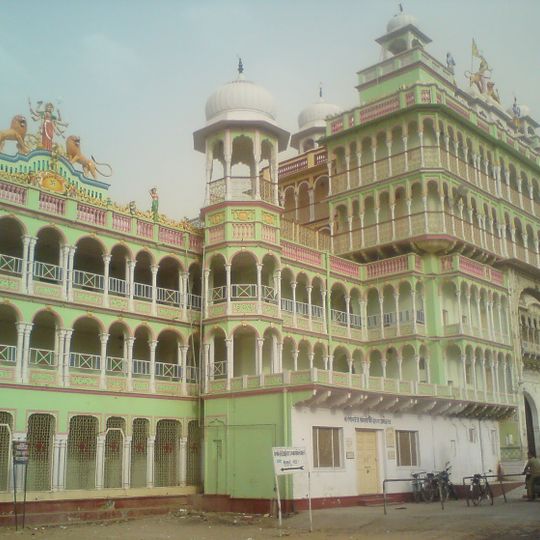
Rani Sati Temple, Hindu temple in Jhunjhunu, India
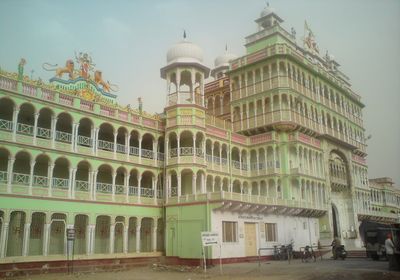
The Rani Sati Temple sits in Jhunjhunu district and showcases typical North Indian temple architecture with multiple courtyards and columned halls. Stone carvings decorate the outer walls while painted ceilings inside feature religious motifs that illustrate scenes from the goddess's life.
The temple commemorates Narayani Devi, a Rajasthani woman of the Agarwal Bania caste who, according to tradition, committed sati after her husband Tandhan Jalan was killed in a dispute over a horse. Accounts place her death between the 13th and 17th centuries, variously dated to 1295 or 1595. The site is the largest temple in India devoted to Rani Sati, also called Narayani Devi and Dadiji.
Visitors observe daily prayer rituals where devotees offer flowers and incense to honor the goddess. Temple bells ring throughout the morning hours as families gather for darshan to present their wishes and seek blessings.
The complex opens its gates in the early morning hours and closes after sunset, with extended visiting times during major festivals. Visitors should wear modest clothing and remove footwear before entering the main halls as is customary in Hindu places of worship.
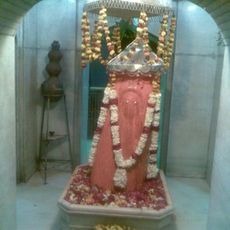
The temple holds no statues or paintings of gods; devotees worship a trishul, a trident symbolising power and force, in the sanctum. A portrait of Rani Sati Dadiji hangs in the pradhan mand. The complex also contains twelve smaller sati temples.
The community of curious travelers
AroundUs brings together thousands of curated places, local tips, and hidden gems, enriched daily by 95,502 contributors worldwide.