Ali Kosh, Archaeological mound in Dehloran, Iran.
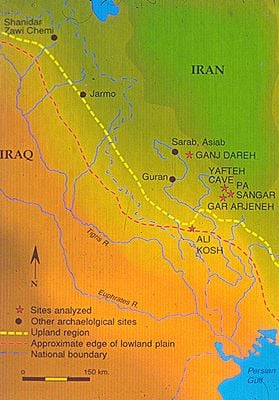
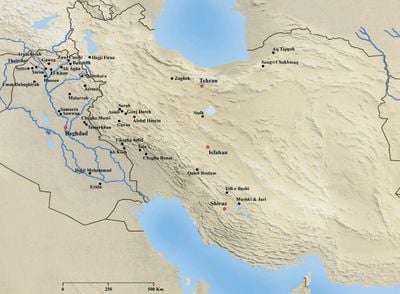
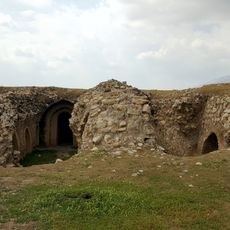
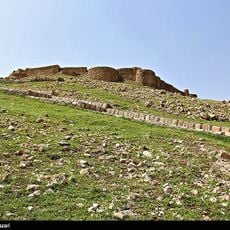
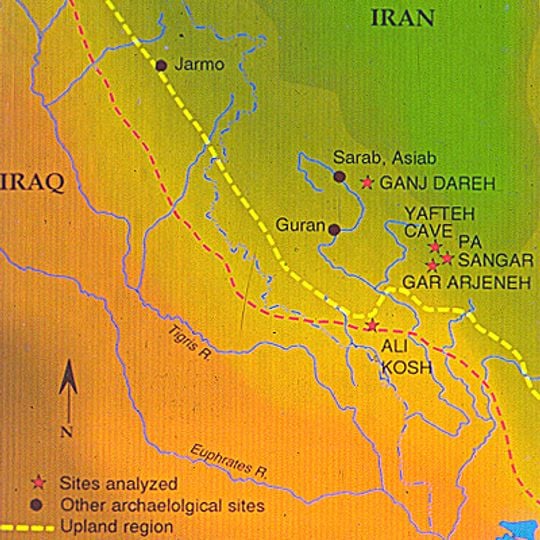
Ali Kosh is an archaeological mound located in Dehloran County in the Zagros Mountains of western Iran, built up from overlapping layers of ancient settlement remains. The site is listed as Iranian National Heritage and contains earthen and stone structures from multiple occupation phases spanning roughly a thousand years.
The mound was first settled around 7500 BCE and remained occupied until roughly 6500 BCE, when it was abandoned. Excavations carried out in the 1960s uncovered the different layers and showed how building methods and daily life gradually shifted over the centuries.
The name Ali Kosh comes from the local dialect and reflects the site's position in the mountain landscape. Visitors walking across the mound can still make out the outlines of ancient living structures, giving a direct sense of how early communities arranged their domestic spaces.
The site sits in hilly terrain and is best explored on foot, so sturdy shoes are a good idea since the ground can be uneven and slippery after rain. Spring and autumn are the most comfortable seasons to visit, as summer temperatures in the region can get very high.
Genetic analysis of human remains found at the site showed that the early inhabitants came from different population groups and displayed considerable genetic diversity. This suggests that different communities were already mixing and living together during the Neolithic period, long before such connections were expected.
The community of curious travelers
AroundUs brings together thousands of curated places, local tips, and hidden gems, enriched daily by 92,634 contributors worldwide.