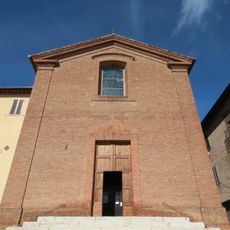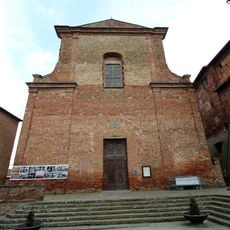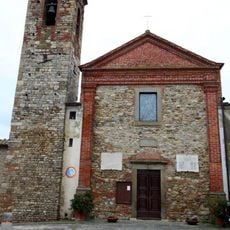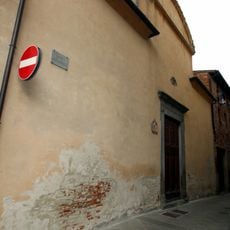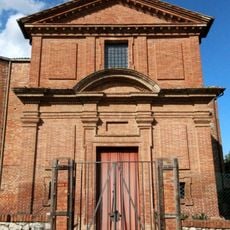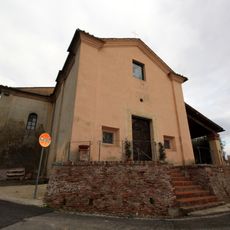
Abbazia di Farneta, Benedictine monastery in Cortona, Italy
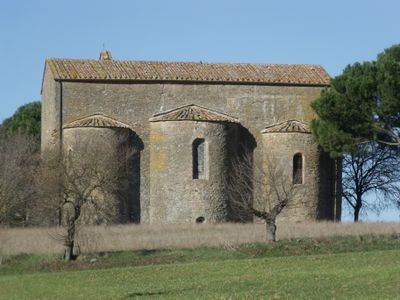
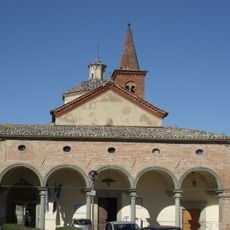
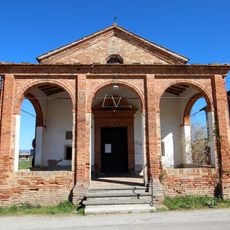
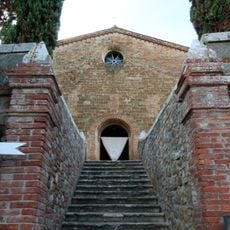
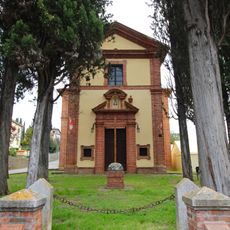
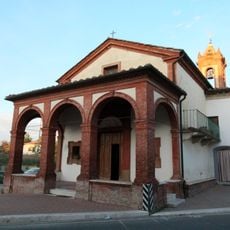
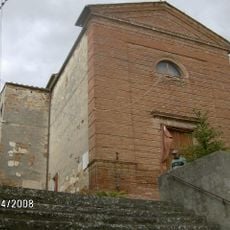
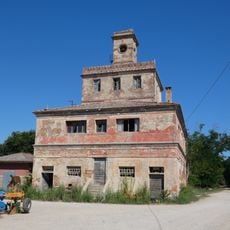
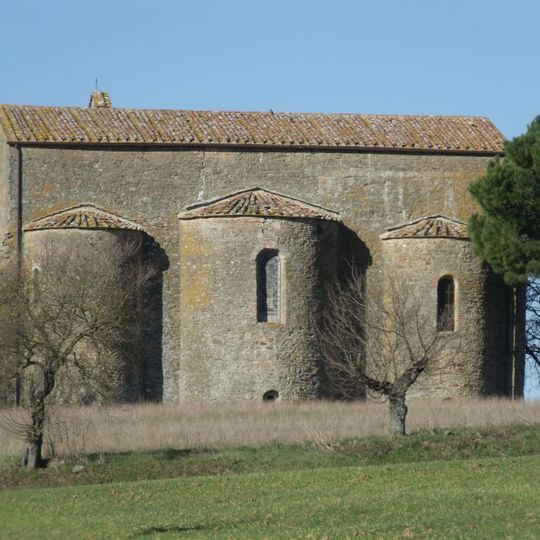
Abbazia di Farneta is a Benedictine monastery with a Romanesque church built on a single nave plan with three apses. Granite columns salvaged from Roman-era buildings support the structure, while an attached museum displays paleontological specimens including remains of ancient elephants and hippopotamuses discovered in the surrounding valley.
Emperor Henry II granted the monastery formal recognition in 1014, confirming its ownership of numerous castles, churches, and territories across the Val di Chiana region. This imperial seal of approval established the abbey as a major religious and political force during the medieval period.
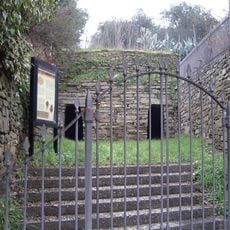
The crypt preserves an early Christian burial shrine with clover-shaped cells where communities gathered for remembrance. The mix of columns from different periods tells a story of how the place absorbed layers of belief and practice over centuries.
The site includes a museum centre featuring paleontological discoveries from the region, with fossils of prehistoric creatures on display. Access on foot allows visitors to move between the church and museum spaces at their own pace without feeling rushed.
The right wall of the church displays frescoes from 1527 painted by Tommaso Bernabei and Papacello showing how the abbey looked in its original form. These murals serve as a visual record of the monastery's appearance from an earlier era.
The community of curious travelers
AroundUs brings together thousands of curated places, local tips, and hidden gems, enriched daily by 91,281 contributors worldwide.