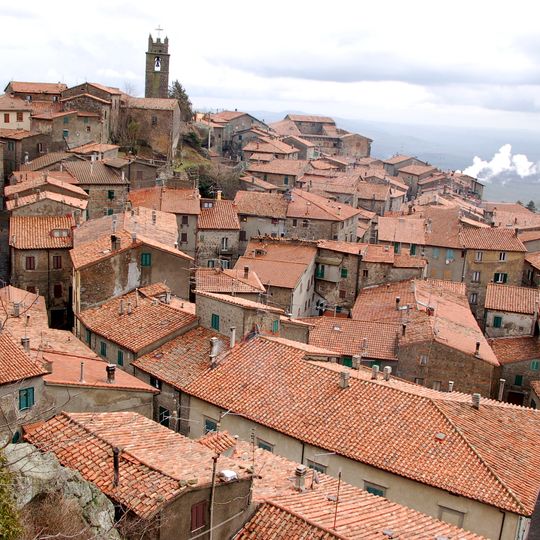
Piancastagnaio, Italian comune
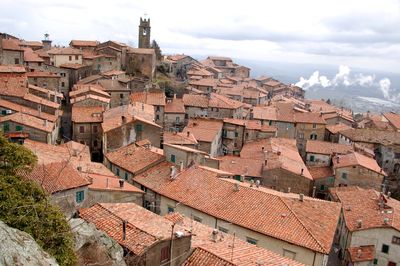
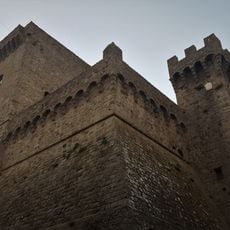
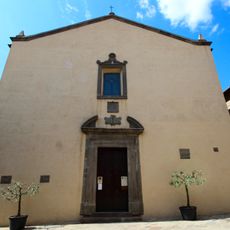
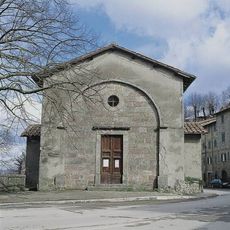
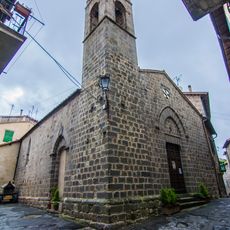
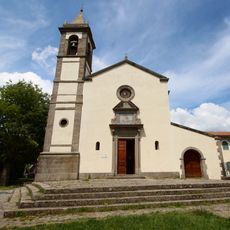
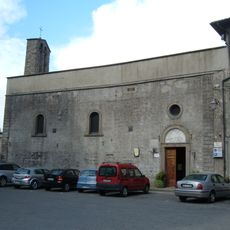
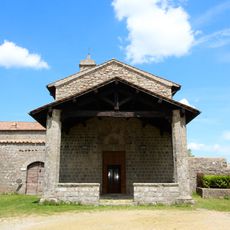
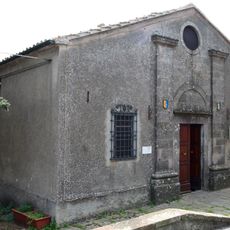
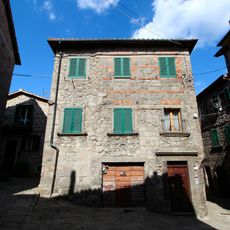
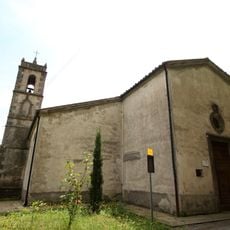
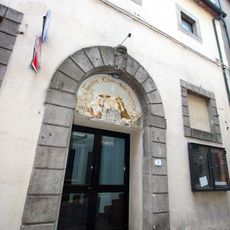
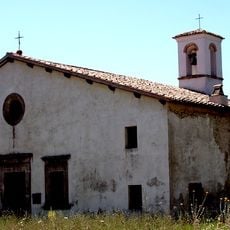
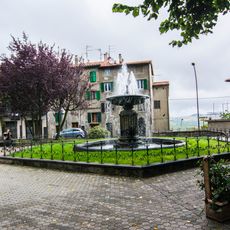
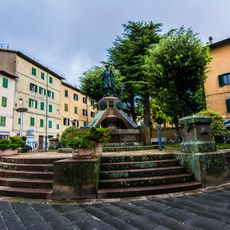
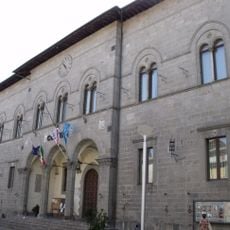
Piancastagnaio is a hilltop commune in the Province of Siena, Tuscany, set in the southern part of the region near Monte Amiata. Its historic center is made up of narrow stone lanes, medieval buildings, and a parish church that forms the core of the old town.
The settlement grew during the Middle Ages under the influence of Siena, which controlled much of the surrounding territory for several centuries. Later, with the rise of the Medici and the formation of the Grand Duchy of Tuscany, the village became part of a larger political order.
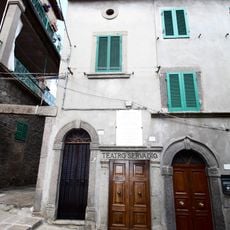
The name Piancastagnaio roughly means 'chestnut plain' and points to the chestnut groves that once covered the slopes around the village. Walking through the old lanes, visitors still find stone archways, small squares, and building facades that have changed little over the centuries.
The village sits on a hill, so sturdy shoes are a good idea for the steeper lanes in the old center. Visiting in the morning or late afternoon generally makes for a more relaxed walk through the streets.
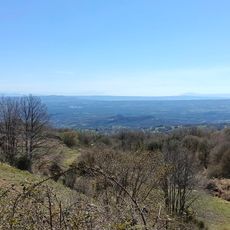
Piancastagnaio sits at the base of Monte Amiata, an extinct volcano whose rock shaped the soil across the whole area. This volcanic ground is why geothermal energy has long been used in the surrounding plain, visible to visitors as steam rising from drilling towers in the valley below.
The community of curious travelers
AroundUs brings together thousands of curated places, local tips, and hidden gems, enriched daily by 60,000 contributors worldwide.