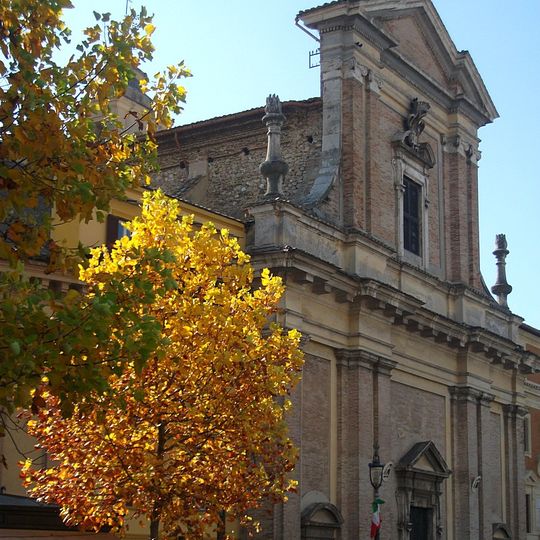
Poggio Mirteto, Italian comune
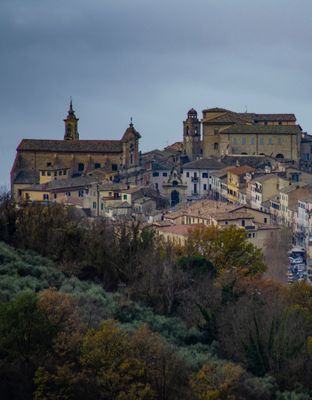
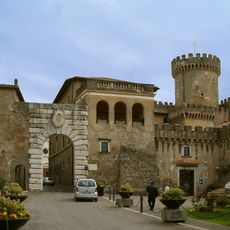
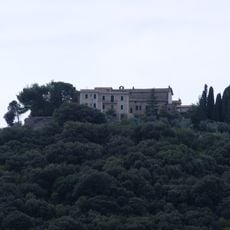
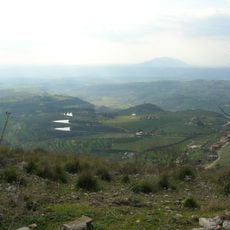
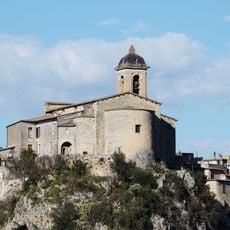
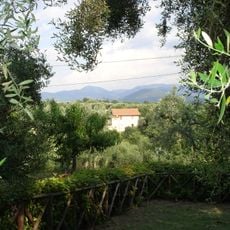
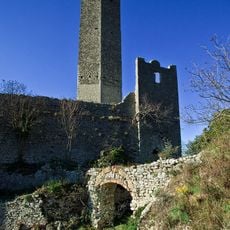
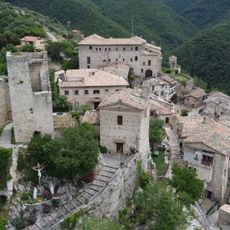
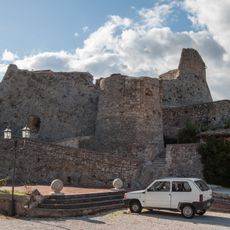
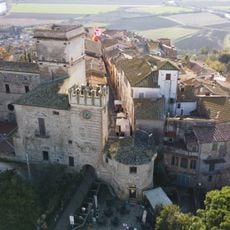
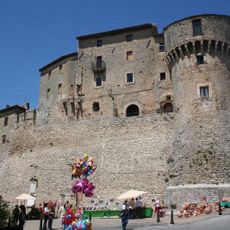
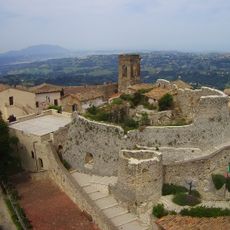
Poggio Mirteto is a small town in the province of Rieti in the Sabina region. It sits at about 246 meters in elevation between the Tiber River valley and the hills of the Monti Sabini, with about 6,300 residents living in narrow stone streets around a medieval castle core.
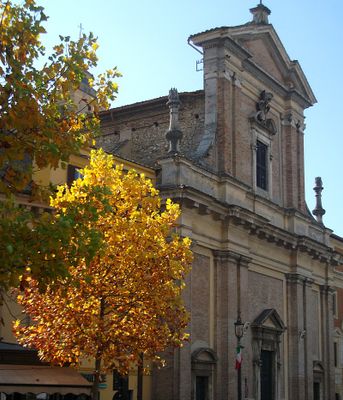
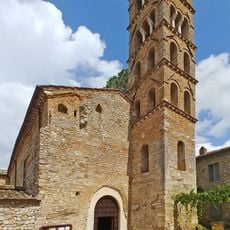
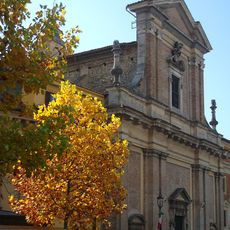
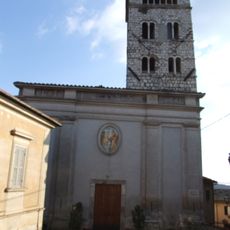
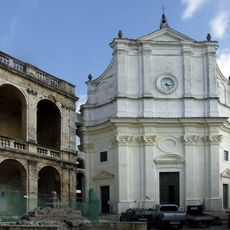
Poggio Mirteto was first documented in 1294 when founded by the noble Iaquinti family from Rome. In the 1600s the Church of Santa Maria Assunta was built between 1641 and 1721, and the town developed into an important residence with construction of Piazza Mario Dottori.
The name Poggio Mirteto comes from the Latin word for myrtle, a plant that grows in this region. Daily life centers around the main square, where residents gather and where local traditions like the feast of the patron saint San Gaetano on August 7th are celebrated with colorful processions and wearing traditional robes.
The best way to travel here is by car since public transportation is limited. Accommodation is mainly family-run guesthouses and farms, where visitors can enjoy typical local foods like olive oil, cheese, and traditional pasta fresh from nearby farms.
From 1826 into the 20th century, the town ran a notable glass factory called Fajella that drew skilled workers from across northern Italy and transformed the village from purely agricultural to an industrial center. This factory shaped the lives of multiple generations and made Poggio Mirteto the region's main employer.
The community of curious travelers
AroundUs brings together thousands of curated places, local tips, and hidden gems, enriched daily by 91,462 contributors worldwide.