Suasa, Ancient roman city
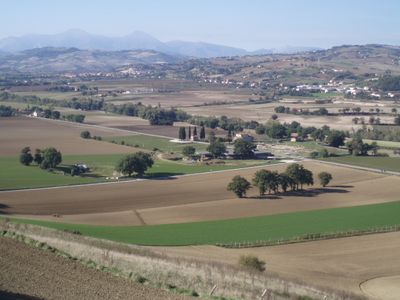
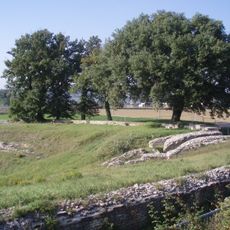
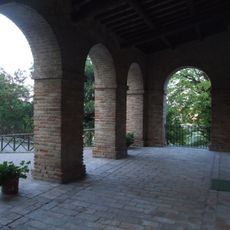
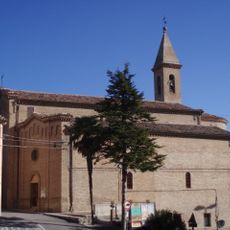
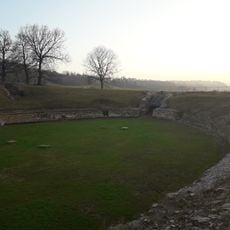
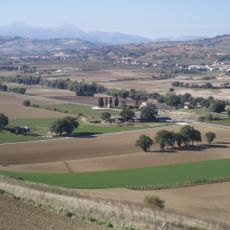
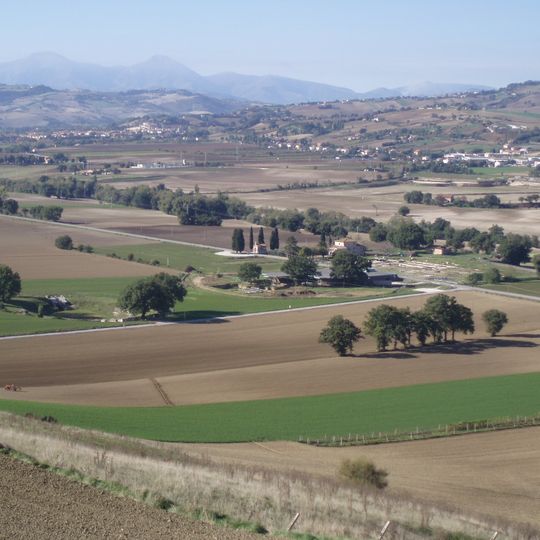
Suasa is an archaeological site of a Roman city in the Marche region of central Italy. The excavations reveal the remains of residential homes, public buildings, streets, and a large amphitheater, along with remnants of a forum and theater that show the urban layout from about 2000 years ago.
Suasa was founded after the Battle of Sentinum in 295 BC, when Romans established control over central Italy and displaced the existing population. The town grew into a municipium and remained an important administrative and trade center until around the 3rd century AD, after which it gradually declined and was completely abandoned by the 6th century.
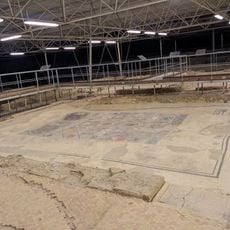
Suasa was once known as Senonum, named after the Galli Senoni people who inhabited the area before Roman settlement. The site reveals how wealthy families decorated their homes with colorful mosaics and painted walls, and how the marketplace served as the heart of daily life.
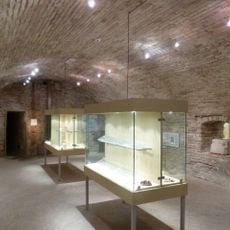
The archaeological park is accessible to visitors during the summer months from July to September and can be explored on foot along marked paths. A nearby museum displays the best finds from the site, and informative signs guide visitors through the ruins and help with orientation.
A recent discovery by the University of Bologna excavation team was a large workshop district with factories and production spaces buried more than 16 feet (5 m) underground, revealing how the city had built up in layers over centuries. These structures exposed economic activity and manufacturing methods that are rarely visible at such sites.
The community of curious travelers
AroundUs brings together thousands of curated places, local tips, and hidden gems, enriched daily by 92,781 contributors worldwide.