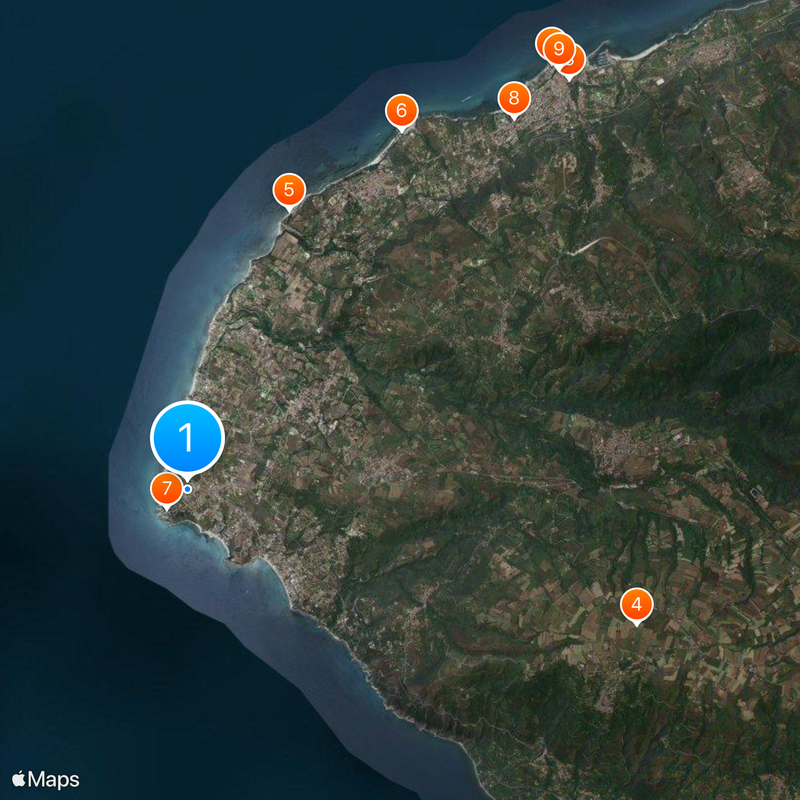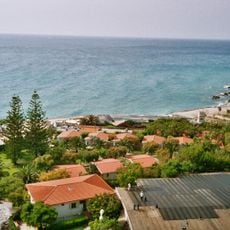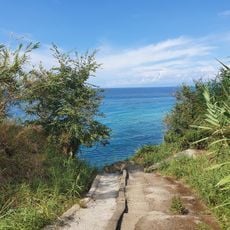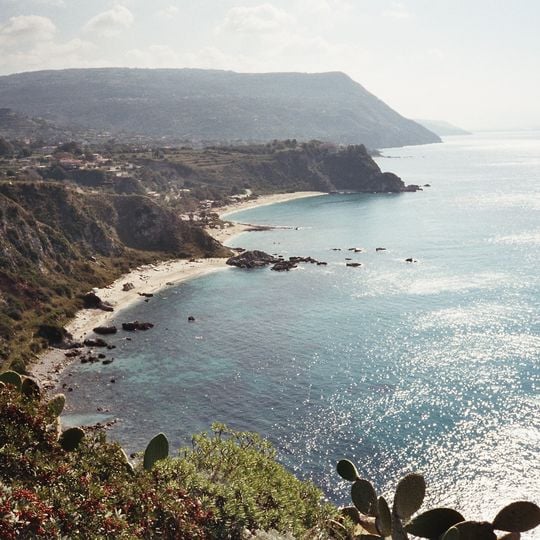
Capo Vaticano, Coastal promontory in Ricadi, Italy.
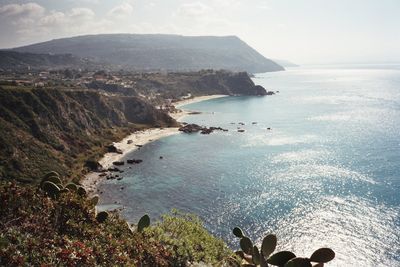
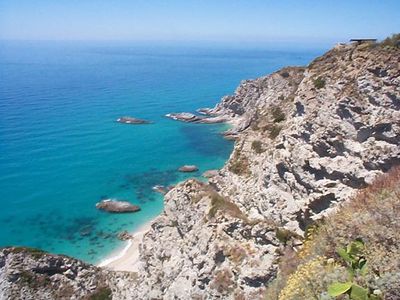
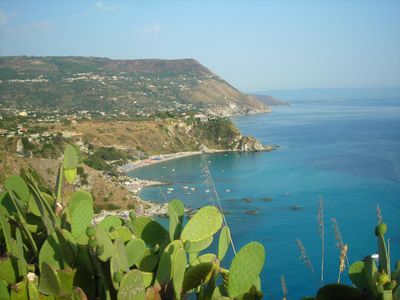
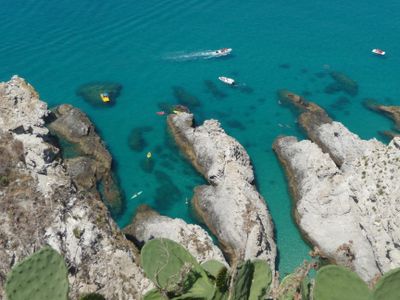
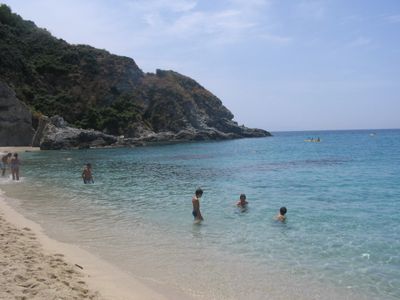
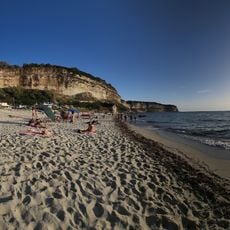
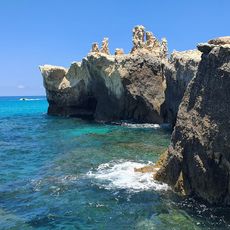
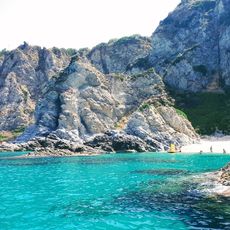
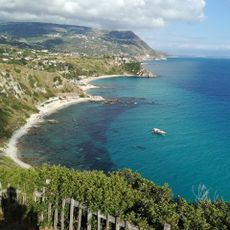
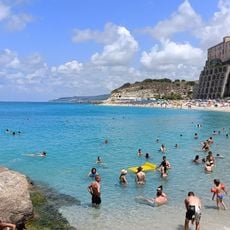
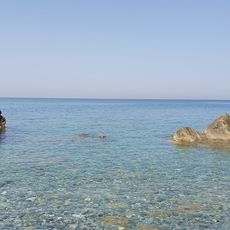
The granite promontory of Capo Vaticano extends into the Tyrrhenian Sea, creating numerous coves and sandy beaches along seven kilometers of coastline.
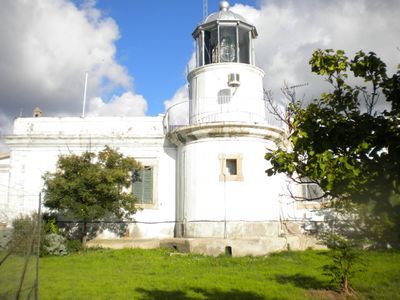
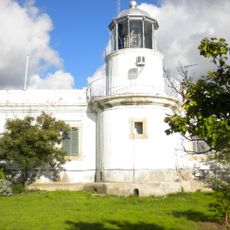
The lighthouse of Capo Vaticano, constructed in 1885, stands 8 meters tall with a focal height of 108 meters, guiding ships with its light every 20 seconds.
The name Vaticano derives from ancient Roman times when priests observed bird flights for predictions from this elevated position above the sea.
The beaches of Grotticelle and Santa Maria offer different swimming experiences, with both rocky coves and extended stretches of sand for water activities.
The white-grey granite formation of Capo Vaticano contains geological characteristics that scientists and researchers from multiple countries study extensively.
Location: Ricadi
Elevation above the sea: 100 m
GPS coordinates: 38.62194,15.83222
Latest update: May 28, 2025 15:34
Europe's most secluded beaches offer access to natural coastal environments that remain undeveloped due to their distance from major tourist centers. These locations span from the volcanic black sands of Iceland's southern shores to the pink-tinted beaches of southwestern Crete, formed from crushed seashells. Many require hiking through nature reserves or boat transfers to reach. Protected coastlines feature distinct geological characteristics: limestone cliffs eroded into natural arches along Portugal's Algarve, basalt columns rising from Norwegian fjords, and serpentine rock formations containing high magnesium content in Cornwall. The beaches exist within varied ecosystems, from Mediterranean scrubland surrounding Sicilian coves to Arctic conditions where granite mountains shelter narrow sand stretches in the Lofoten archipelago. These sites attract visitors seeking alternatives to developed resort areas. Access methods range from tidal passages through stone arches in Galicia, where water levels determine entry times, to unpaved tracks crossing the Desert of Agriates in Corsica. Several beaches change appearance based on natural forces: the Croatian peninsula of Zlatni Rat shifts its contours according to wind and wave patterns, while shallow lagoons in Greece allow wading between mainland and offshore islands. The locations provide opportunities for activities including snorkeling among underwater rock formations, observing seabird colonies nesting in coastal cliffs, and exploring cave systems revealed during low tide periods.
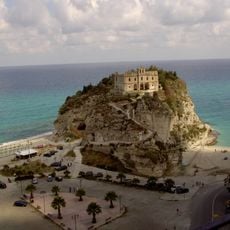
Santa Maria dell'Isola Monastery
8.3 km
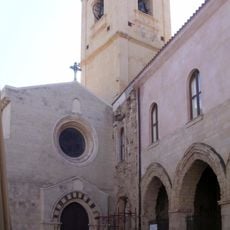
Cathedral of Tropea
8.5 km
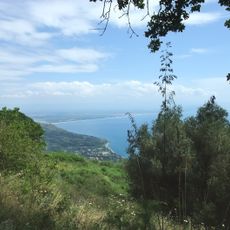
Monte Poro
7.1 km
Spiaggia di Formicoli
4.5 km
Spiaggia Di Riaci
6.3 km
Capo Vaticano lighthouse
426 m
Chiesa dell’Annunziata
7.5 km
Civic museum of the sea
8.5 km
Castello Galluppi di Caria
6.6 km
Praia i focu
376 m
Artistic Creations The Lighthouse
8.3 km
Torre Ruffa
2.2 km
Carmine
6.2 km
Spiaggia l'Occhiale
6.9 km
Chiesa di San Zaccaria Profeta
3 km
Diocesan museum of Tropea
8.5 km
Mura cittadine
8.5 km
Chiesa di Santa Domenica Vergine e Martire
5.6 km
Chiesa di San Paolo Apostolo
4.2 km
Chiesa di San Giovanni Battista
6.2 km
Chiesa del Santo Rosario
8.2 km
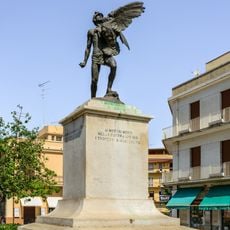
War memorial in Tropea
8.3 km
Zona costiera fra Briatico e Nicotera
383 m
Raccolta Archivio Toraldo di Francia
8.4 km
Chiesa di San Pietro Apostolo
2.9 km
Spiaggia del Convento
7.9 km
Spiaggia Spinoso
5.2 km
Town hall of Spilinga
6.4 kmReviews
Visited this place? Tap the stars to rate it and share your experience / photos with the community! Try now! You can cancel it anytime.
Discover hidden gems everywhere you go!
From secret cafés to breathtaking viewpoints, skip the crowded tourist spots and find places that match your style. Our app makes it easy with voice search, smart filtering, route optimization, and insider tips from travelers worldwide. Download now for the complete mobile experience.

A unique approach to discovering new places❞
— Le Figaro
All the places worth exploring❞
— France Info
A tailor-made excursion in just a few clicks❞
— 20 Minutes