Juval Castle, Medieval castle in Kastelbell-Tschars, Italy
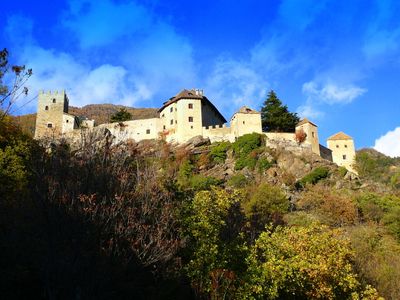
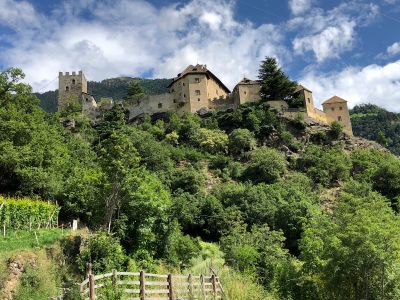
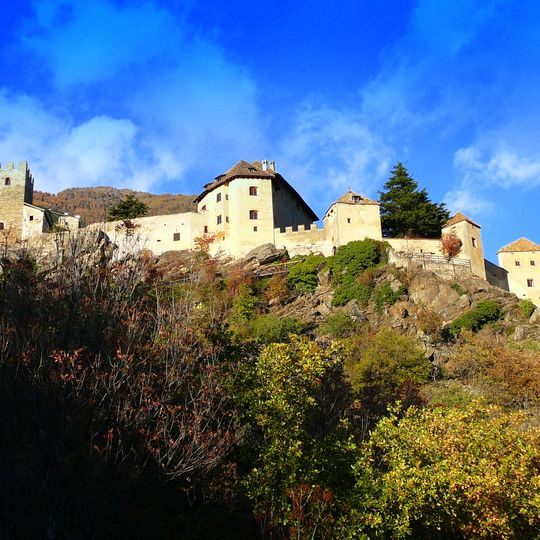
Juval Castle is a stone fortress perched at 1000 meters elevation at the entrance of Schnalstal Valley, with views across the South Tyrolean landscape. The structure combines medieval walls with gallery spaces that display collections from around the world.
Juval Castle is first documented in 1278, when Hugo von Montalban called himself after it; a Carolingian stone cross in the defensive wall and 12th-century marble carving suggest an earlier fortification. In 1540 it was bought by Hans Sinkmoser, an official of the Tyrolean treasury, under whom it reached its height. In 1813 it passed to the farmer Josef Blaas and fell into ruin until the Dutchman William Rowland bought and restored it in 1913.
The castle houses a collection of Tibetan art and masks gathered from five continents, showing how mountain regions around the world share similar human connections. These objects tell stories of trade and cultural exchange that travelers and collectors discovered over time.
You can reach the castle on foot in about an hour or take a shuttle bus service from the valley below. The route offers changing views of the surrounding mountain landscape and conditions vary by season.
The name Juval probably derives from Latin iugum altum (high yoke) or Rhaeto-Romance ju-val (down in the valley); a link to Mons Jovis is considered unlikely. The castle's name was later applied to the ridge and the scattered settlement. Older spellings include Jufal, Jufahl and Juvale.
The community of curious travelers
AroundUs brings together thousands of curated places, local tips, and hidden gems, enriched daily by 94,643 contributors worldwide.