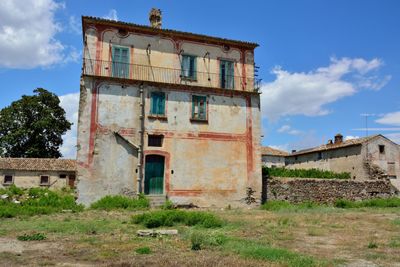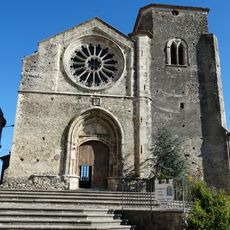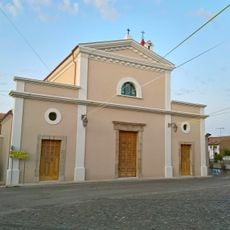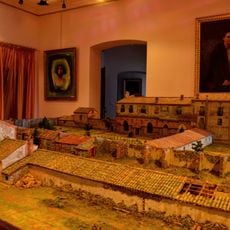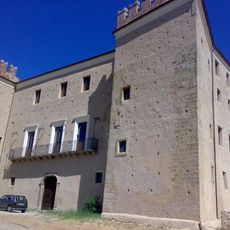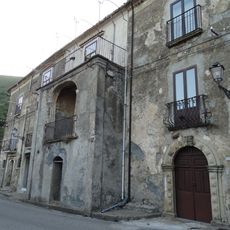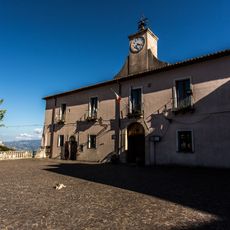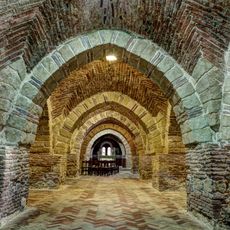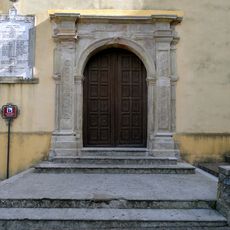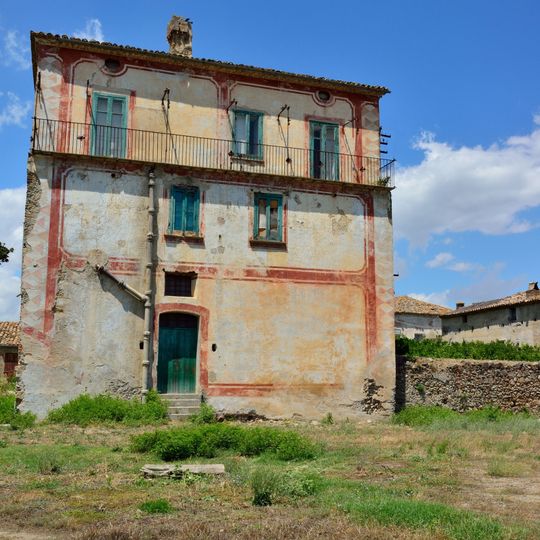
Santa Maria della Matina, Abbey in San Marco Argentano, Italy.
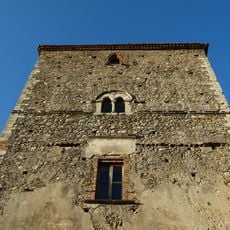
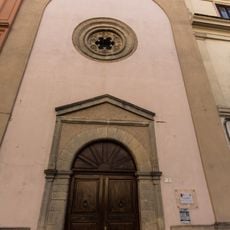
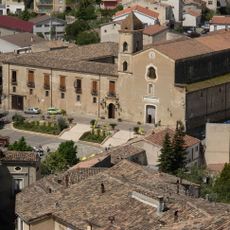
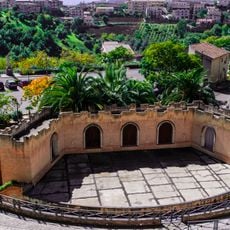
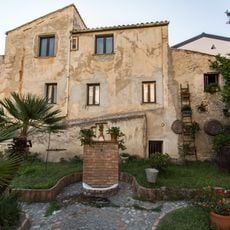
Santa Maria della Matina is a monastery in San Marco Argentano with building sections from different periods, including a Gothic chapter house and preserved rooms like the parlour and scriptorium. The layout shows the typical arrangement of a monastic complex with staircases and passages connecting the various functional areas.
The monastery was founded in 1065 by Robert Guiscard, Duke of Apulia and Calabria, together with his wife Sichelgaita and received dedication from Archbishop Arnulf of Cosenza. About a century later, the community switched in 1221 from the Benedictine order to the Cistercian order and came under direct control from Rome.
The monastery is named after Saint Maria Matina and served as a place where monks spent their days in silent work and prayer over the centuries. The surviving rooms like the scriptorium still show how learned monks worked here copying texts and preserving knowledge.
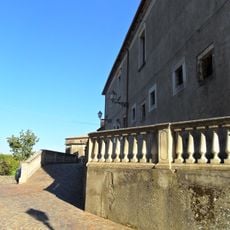
The monastery consists of several preserved building sections that visitors can explore, with the parlour, scriptorium, and staircases to upper levels being particularly visible. Good orientation helps, as the different parts of the complex are connected by passages and the whole layout works like a branching maze.
In 1092 Pope Urban II personally visited the monastery, showing how important it had become to the Church in its early years. This visit marked a turning point in the place's recognition by the highest religious authority.
The community of curious travelers
AroundUs brings together thousands of curated places, local tips, and hidden gems, enriched daily by 91,989 contributors worldwide.