Heraclea Lucania, Archaeological site and museum in Policoro, Italy
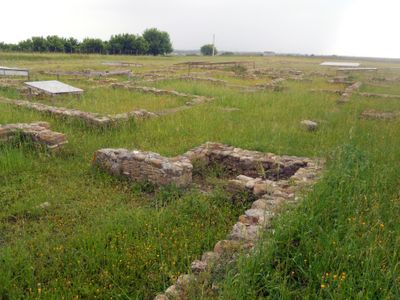
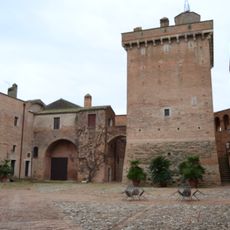
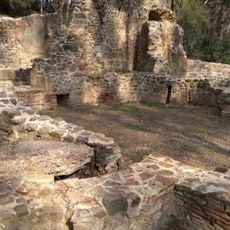
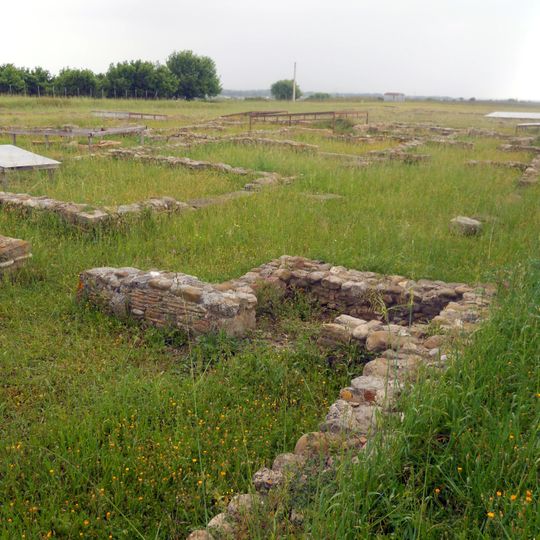
Heraclea Lucania is an ancient Greek city located between the Agri and Sinni rivers, founded by colonists from Taranto and Thurii. The site displays temples, artisan workshops, and residential structures that date from the 4th century BCE through the Roman period.
The city was founded in 433 BCE and became an important Greek center in southern Italy. It gained prominence during the Battle of Heraclea in 280 BCE, when King Pyrrhus fought against the Romans.
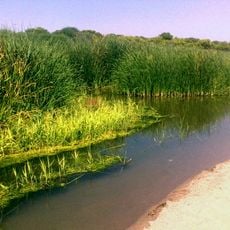
The temples dedicated to Dionysus and Demeter show how much the community valued fertility and wine production. The sacred areas built on terraces near water springs reveal that water and natural abundance were central to how people here practiced their beliefs.
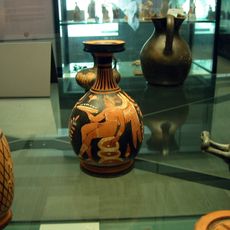
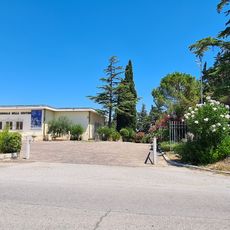
The archaeological park is open daily and can be explored on foot, with sturdy shoes recommended since the ground is uneven. There is a museum section nearby displaying finds from the excavation, which can be visited together with the park.
The Heraclea Tablets were discovered here, ancient bronze tablets with Greek and Latin inscriptions containing information about temple lands and civic law. These rare documents provide direct insight into how this ancient city was governed and organized.
The community of curious travelers
AroundUs brings together thousands of curated places, local tips, and hidden gems, enriched daily by 92,564 contributors worldwide.