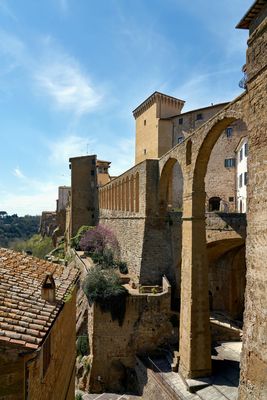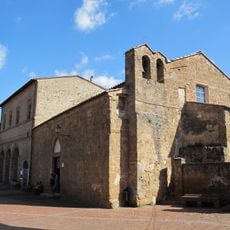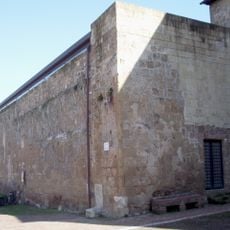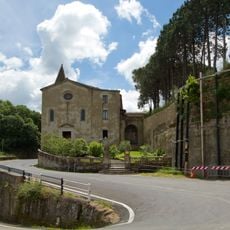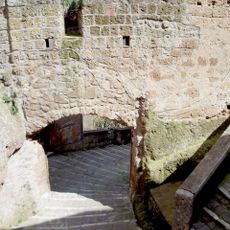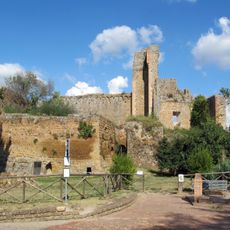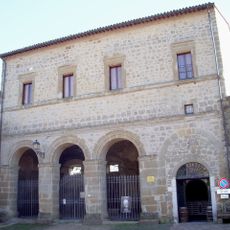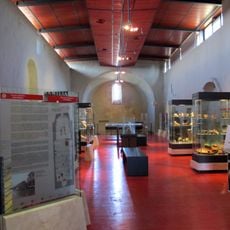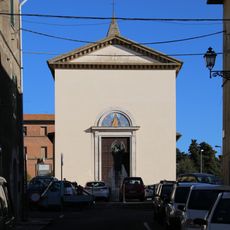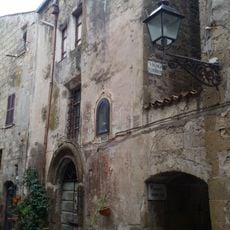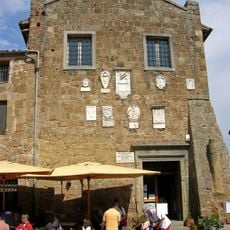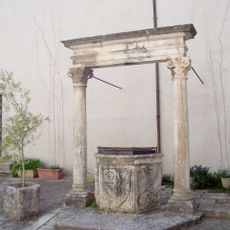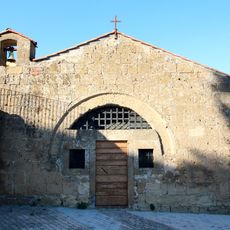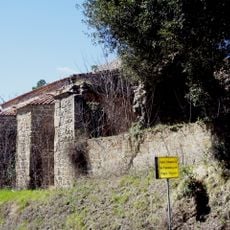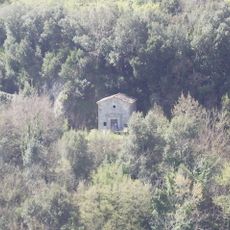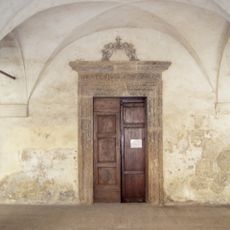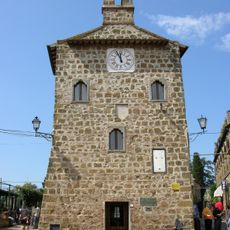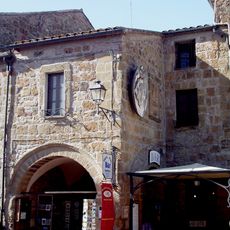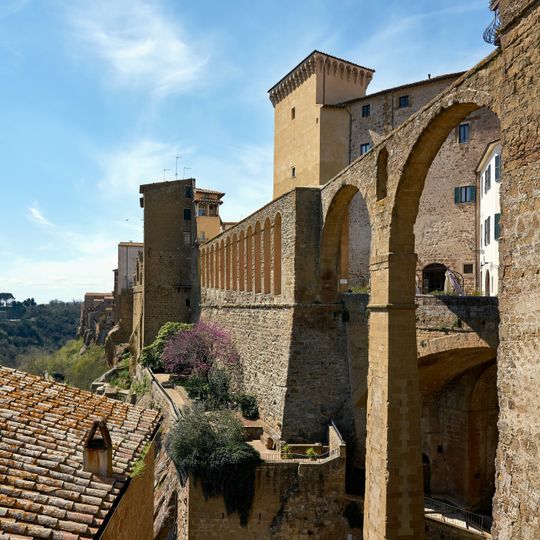
Aquedotto Mediceo, Renaissance aqueduct in Pitigliano, Italy.
The Aquedotto Mediceo is a Renaissance structure that starts with two major arches before giving way to a series of smaller ones built from local tufa stone. The system channels water across the Tuscan countryside to supply the town of Pitigliano.
Construction started in the 16th century under the direction of Antonio da Sangallo the Younger and reached completion in 1639 when the Medici family took control of Pitigliano. The extended building process reflects the technical challenges of creating such an ambitious system across difficult terrain.
The aqueduct shaped how people lived in the area for centuries, as a reliable water supply allowed the town to grow and thrive. Locals and visitors see it as a symbol of human determination to work with the landscape rather than against it.
You can see the structure from several spots around the southeastern edge of Pitigliano's historic center and approach it using local paths and roads. Early morning light brings out the texture of the stone and tends to be less crowded than midday.
The structure draws water from three separate rivers - the Lente, Meleta, and Prochio - blending them through an intricate underground system. This approach allowed Renaissance engineers to guarantee a steady supply to the growing town even during dry seasons.
The community of curious travelers
AroundUs brings together thousands of curated places, local tips, and hidden gems, enriched daily by 90,960 contributors worldwide.