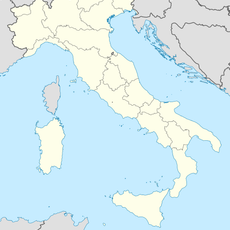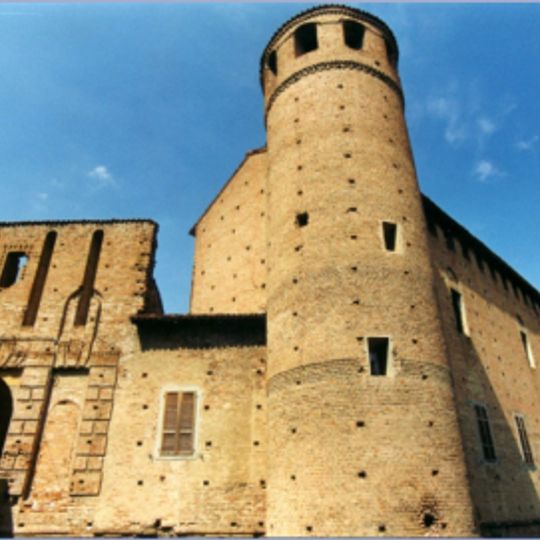
Castello di Calendasco, Medieval castle in Calendasco, Italy
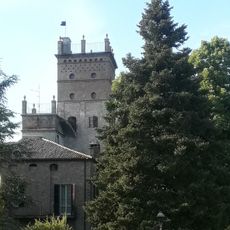
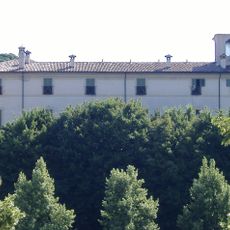
Castello di Calendasco is a medieval brick fortress with a trapezoidal plan, four round towers, and connecting defensive walls topped with Guelph merlons. Inside stand two large halls featuring fireplaces and wooden coffered ceilings that once hosted gatherings of the noble families who lived here.
The oldest part, the recetto, dates to the early 11th century, built under the bishop-count of Piacenza; the castle proper followed in the 12th century. It is first cited in a 1187 document of Pope Urban II confirming the rights of the monks of San Salvatore di Quartizzola. Ghibellines expelled from Piacenza destroyed it in 1346, and the Guelphs rebuilt it soon after as a stronghold against the Visconti. In 1412 Duke Filippo Maria Visconti granted it to the Arcelli counts of Val Tidone.
The castle's name comes from the Latin Castrum Calendaschi, and with its recetto, church and pilgrims' hospice it formed the burgi Calendaschi. Saint Conrad Confalonieri was born inside these walls in 1290, and his family held feudal rights over the Calendasco area. In 1572 the murder of Count Ludovico Confalonieri by Antonello De Rossi, lover of the countess Camilla, split the fief between the Sanseverino and Confalonieri families.
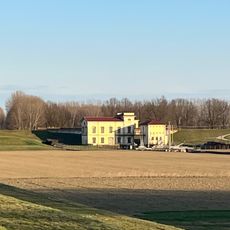
The castle sits in flat countryside where its brick walls and towers are clearly visible from the approach. Visitors should confirm access conditions beforehand, as visiting arrangements may vary seasonally.
The 2021 restoration uncovered the original terracotta flooring in the ground-floor hall and entrance passage, a fireplace hidden behind a panel, and rooms at the base of one tower that had been used as storage and were long inaccessible.
The community of curious travelers
AroundUs brings together thousands of curated places, local tips, and hidden gems, enriched daily by 92,747 contributors worldwide.