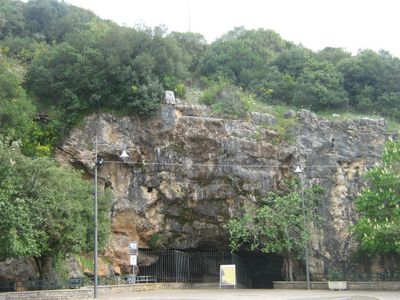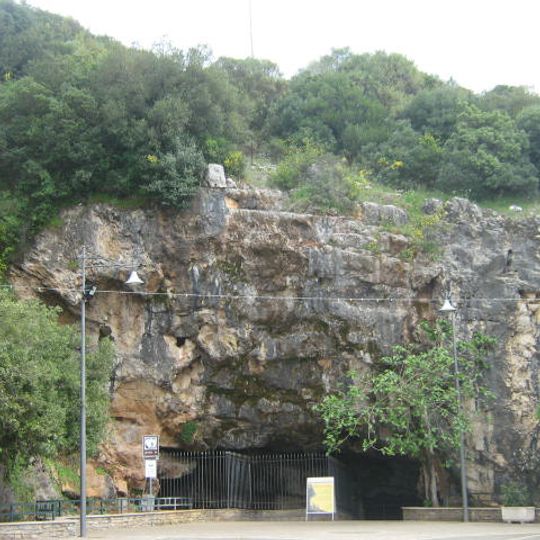
Castelcivita Caves, Natural cave system in Cilento National Park, Italy
The Castelcivita Caves form an extensive network through limestone mountains with several large chambers and branching underground passages. The rooms display an abundance of hanging and rising mineral formations that developed slowly over thousands of years.
Two brothers from Controne, Giovanni and Francesco Ferrara, aged 14 and 16, made the first documented modern exploration on 7 February 1889, carrying oil lamps; trapped by carbon dioxide and bat guano, they were found after six days, and Francesco died during the rescue. In 1920 the Castelcivita pharmacist Nicola Zonzi returned to the caves, and his report led to systematic mapping in the 1920s and 1930s. Since the 1970s archaeological research has been conducted by the University of Siena with the Campania archaeological superintendency.
The caves are also called the Caves of Spartacus, after a popular tradition that the gladiator sheltered here during his march from Brundisium towards the final battle at the Silarus river, fought near Castelcivita. The story is told locally rather than documented.
Access is via a marked walkway with artificial lighting that suits most visitors regardless of fitness level. Wear appropriate shoes and prepare for constant cool temperatures, as the underground space maintains a chill year-round.
Some formations bear locally assigned names such as organ pipes and diamond cascade, reflecting how early visitors perceived the place. These popular names remain in use today and add a personal touch to the visit.
The community of curious travelers
AroundUs brings together thousands of curated places, local tips, and hidden gems, enriched daily by 93,033 contributors worldwide.