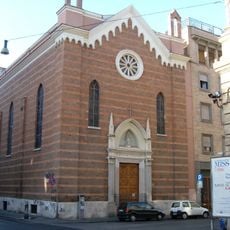
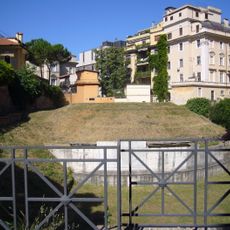
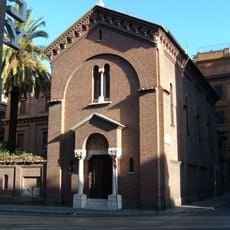
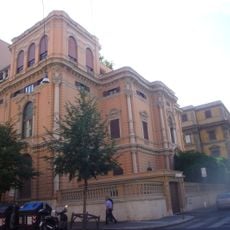
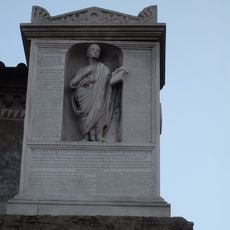
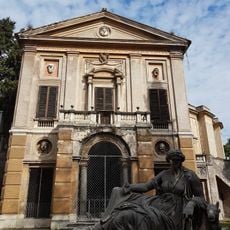
Hypogeum of via Livenza, Underground archaeological site in Pinciano district, Rome, Italy.
The Hypogeum of via Livenza is an underground structure with an elongated layout featuring a main hall with an apse, three adjoining arches, and marble columns throughout. A rectangular water basin with drainage channels indicates that water management was integrated into the space's design.
This underground complex was built in the 4th century CE, reflecting Roman construction practices of that period. It remained hidden until 1923, when excavation during construction work revealed its existence.
The wall paintings show a blend of pagan motifs such as Diana with deer and Christian symbols like doves drinking from a water vessel, reflecting the religious transition of that era. This visual mixture makes the site a window into how belief systems coexisted in ancient Rome.
Visit requires advance booking through the 060608 service, with groups limited to ten people and a certified guide mandatory for all visits. These restrictions help protect the delicate ancient surfaces and structure.
A natural spring flows beneath the entire structure, shaping both its architectural design and the water-themed decorations throughout. This interplay between natural forces and human design makes it a notable example of how Romans adapted to their environment.
The community of curious travelers
AroundUs brings together thousands of curated places, local tips, and hidden gems, enriched daily by 91,813 contributors worldwide.