Bessa Natural Reserve, Regional nature reserve in Province of Biella, Italy
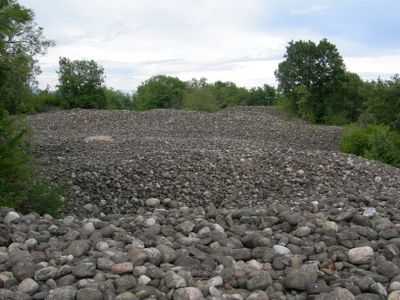
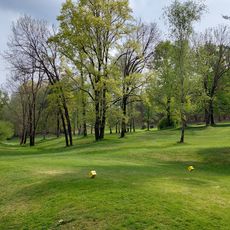
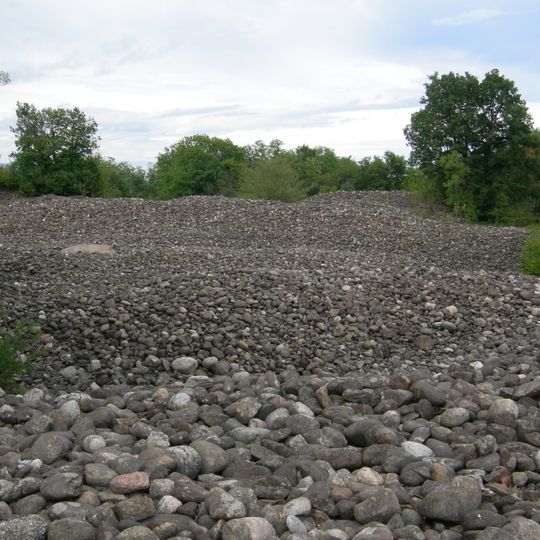
Bessa Natural Reserve covers about 750 hectares across four municipalities and displays a distinctive landscape of pebbles and elongated valleys called bunde. The terrain is dominated by prominent stone mounds that resulted from ancient mining work.
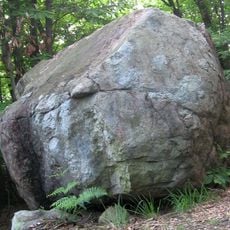
The Bessa gold field's terraces date to the 2nd–1st century BCE, with cup-mark petroglyphs on glacial erratics showing earlier protohistoric use. The Salassi controlled the area from the 5th–4th century BCE until Roman legions under Appius Claudius Pulcher conquered it in 143–140 BCE. Publicans ran the works with up to 5,000 men at once; Strabo records the mines abandoned or exhausted by the later 1st century BCE.
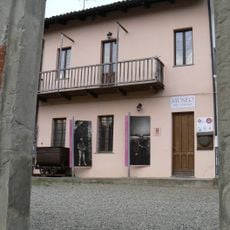
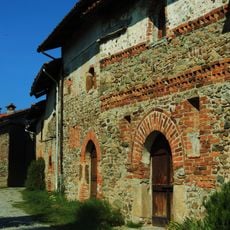
The Visitor Center in Vermogno features exhibits about mining heritage and how the landscape was shaped by extraction work over centuries. This connection between human labor and nature is visible throughout the reserve today.
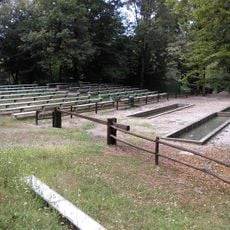
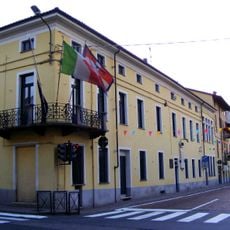
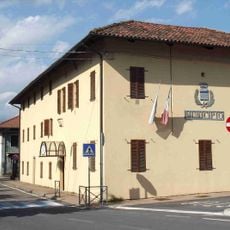
The reserve lies in the Elvo valley between 270 and 430 m altitude, on the morainic Serra hill across the municipalities of Borriana, Cerrione, Mongrando and Zubiena. Trails suit walking and mountain biking; the visitor centre and equipped area are at Vermogno, in the Zubiena hamlet.
Ancient mining has left countless stone piles scattered across the terrain, creating an unusual lunar-like landscape filled with hundreds of small elevations. This natural result of gold extraction makes the reserve visually distinct from other protected areas.
The community of curious travelers
AroundUs brings together thousands of curated places, local tips, and hidden gems, enriched daily by 94,459 contributors worldwide.