Diocesan museum, Italian museum
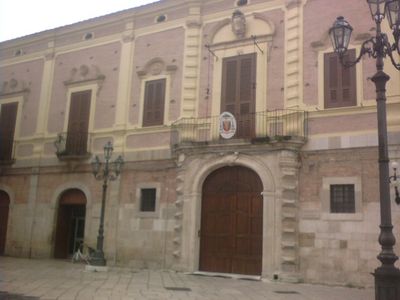
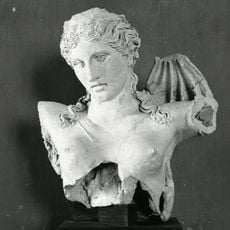
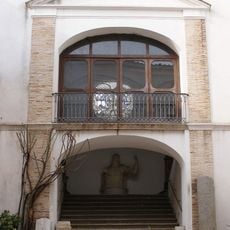
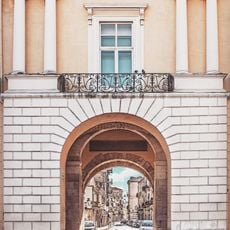
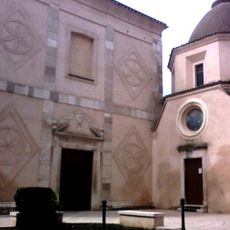
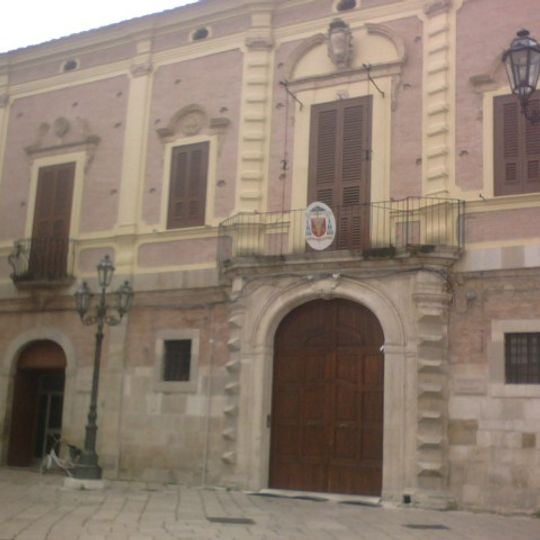
The Diocesan Museum of Lucera occupies the 18th-century Bishop's Palace and is reached by the right-hand staircase of its courtyard. Its route runs through eight rooms, a chapel and two loggias, and also holds the historic bishops' picture gallery begun with portraits commissioned by Monsignor Alfonso Maria Freda (1798-1816). The displays gather sculptures, vestments, paintings and the Cathedral Chapter's treasury, including a red blood-jasper reliquary of the 13th century and a gilded-silver diptych from 14th-century Sulmona.
The museum is housed in the 18th-century Bishop's Palace, and its historic diocesan picture gallery began with portraits commissioned by Bishop Alfonso Maria Freda (1798-1816). The paintings on display come largely from suppressed churches and convents of Lucera, including two 16th-century panels: Francesco da Torremaggiore's Deposition of 1515 and Carlo Tolentino's Madonna delle Grazie of 1565. The collection also holds the Treasure of the Cathedral Chapter.
The museum occupies the bishop's palace and reflects the deep religious traditions that shaped Lucera's community life. The collections show how faith influenced local artistic expression and religious practice across generations.
Access is from the right-hand staircase of the courtyard of the 18th-century Bishop's Palace. Volunteers of the Associazione Culturale Terzo Millennio handle opening and guided tours, so it is worth confirming times before setting out. The route covers 8 rooms, 1 chapel and 2 loggias.
A 14th-century stone Madonna holds a pomegranate, an ancient symbol of hope and life, revealing the symbolic depth of medieval religious art. Also remarkable is a rare reliquary from the 13th century, believed to come from an ancient church that no longer exists, making it one of the collection's most valuable pieces.
The community of curious travelers
AroundUs brings together thousands of curated places, local tips, and hidden gems, enriched daily by 94,092 contributors worldwide.