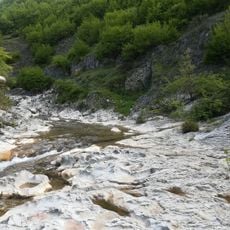
Satrianum, Archaeological site in Tito, Italy.
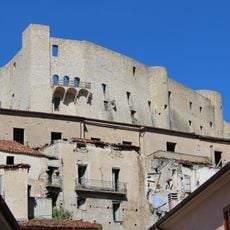
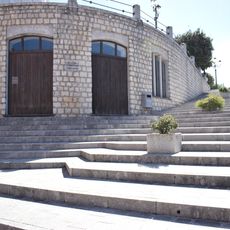
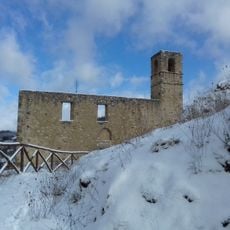
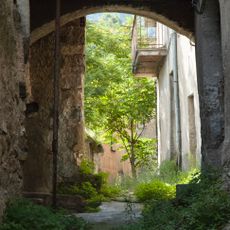
Satrianum is a ruined medieval settlement on a hill at 950 metres between Tito and Satriano di Lucania. Visitors see two circuit walls, two residential villages, and the remains of a three-aisled Norman cathedral with an adjoining bishop's palace. A square 12th-century tower on the summit plateau houses a multimedia museum.
Satrianum appears in medieval sources by the 9th century, built on a hill at 950 m controlling the Brienza pass and the ancient via Herculea. After its destruction it was rebuilt by Charles of Anjou, then passed to Giovanni de Anches and later the Sforza. It was abandoned in the mid-15th century, and a document of 1477 records the settlement as deserted.
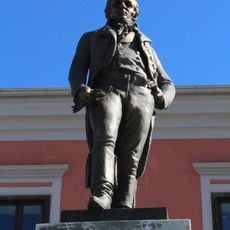
The name Satrianum survives in the local carnival mask of the bear, l'urs, which tradition links to the Franco-Norman culture of the stronghold. The present town was Pietrafesa until 1887, when it took the ancient name to stress its link with the abandoned site. Ceramics from the medieval settlement are kept in Palazzo Loreti, the town hall.
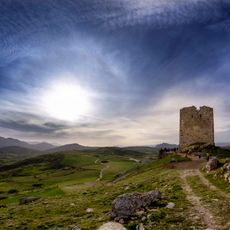
The ruins lie on a hill at 950 m between the municipalities of Satriano di Lucania and Tito, with the square tower and cathedral remains on the summit plateau. Excavations have run annually since 2006, so some areas may be fenced off during the summer campaign. The main structures have been restored and are open to visitors.
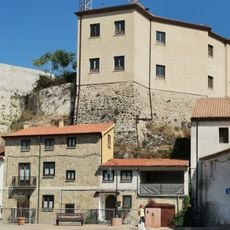
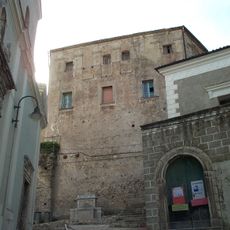
The square tower on the summit plateau, built in the 12th century, now houses the Multimedia Museum of Torre di Satriano, devoted to the archaeological research carried out in the area. The tower stands in the municipality of Tito, yet the people of Satriano di Lucania regard it as their own symbol, and emigrants describe strong emotion at the sight of it.
The community of curious travelers
AroundUs brings together thousands of curated places, local tips, and hidden gems, enriched daily by 94,671 contributors worldwide.