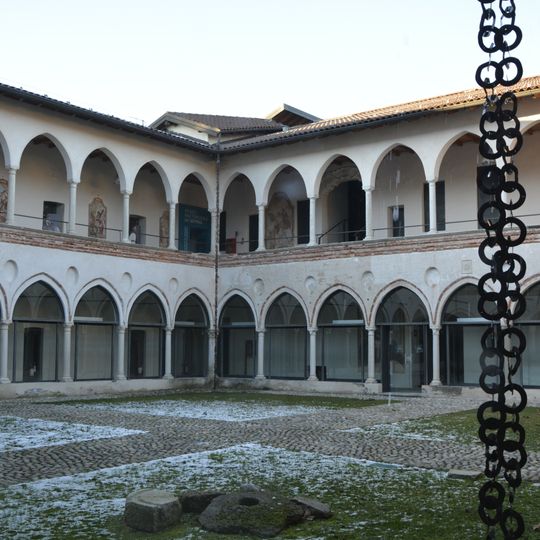
Monastero di Santa Maria Assunta, National heritage monastery and museum in Cairate, Italy
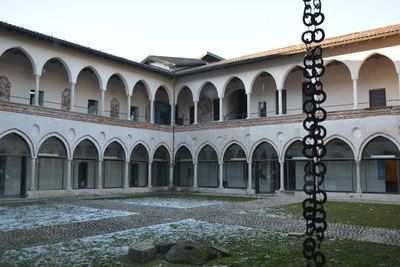
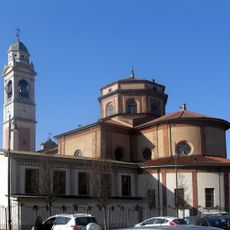
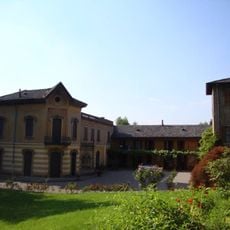
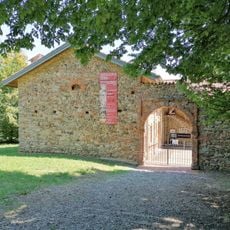
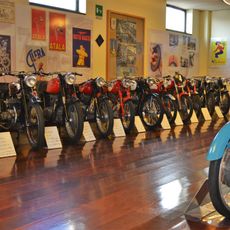
The Monastero di Santa Maria Assunta is a large stone complex with a central square cloister and multiple community spaces in Lombardy. Today it functions as a museum, displaying archaeological discoveries and offering thematic routes through different periods.
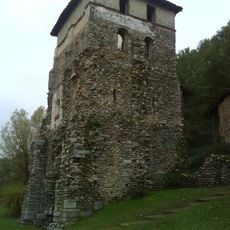
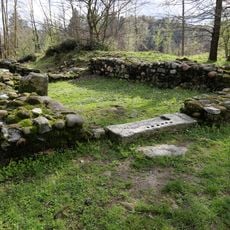
King Liutprando promoted the building of the monastery in 737, on a site already occupied in Roman times by a rustic villa with a granary and cisterns. Between the late 5th and early 6th century a small funerary church had been carved out of one wing of that complex, and a Lombard-era cemetery grew beside it. Building work continued over the following centuries, and in 1801 three private owners bought the complex and turned it into housing.
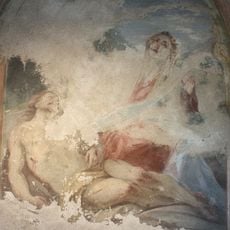
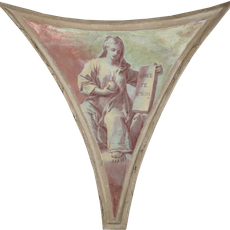
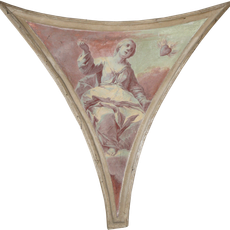
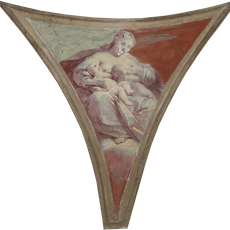
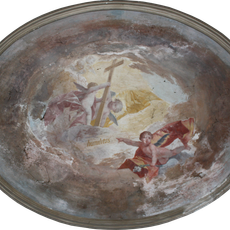
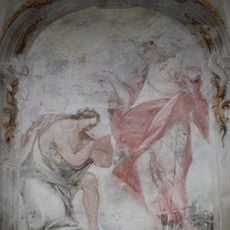
The monastery displays frescoes by Aurelio Luini and Romanesque sculptures that reflect the development of religious art in northern Italy. These works show how medieval artists expressed faith and craftsmanship through decoration.
The museum offers different thematic routes, including 'Before the Monastery' and 'From Romanesque to Renaissance' periods, which help visitors navigate the collection. Clear information about each section makes it easier to understand the displayed findings.
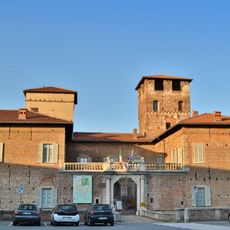
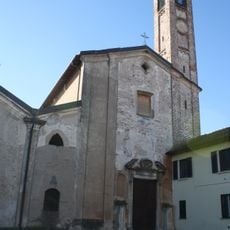
The 1710 entrance features an ornate arch decorated with statues of the Assumption and angels, expressing the spiritual vision of that era. An inscription mentions Manigunda and adds a personal touch that honors the monastery's founder.
The community of curious travelers
AroundUs brings together thousands of curated places, local tips, and hidden gems, enriched daily by 93,072 contributors worldwide.