Lake Chūzenji, Landslide-dammed lake in Nikko, Japan
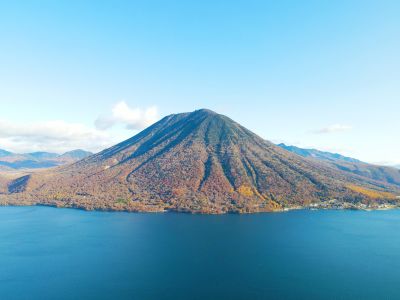
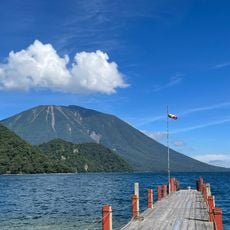
Lake Chūzenji is a landslide-dammed lake in Nikkō National Park, formed when Mount Nantai erupted about 20,000 years ago. It covers 11.62 km², has a circumference of 25 km, and reaches a depth of 163 m. The Yukawa River feeds it, and it drains through the Kegon Falls. Its irregular shoreline includes the Hatchō Dejima peninsula on the south side.
A volcanic eruption around twenty thousand years ago sent lava flows to block the river and shape this basin. Shodo Shonin reached the water in the eighth century and transformed the area into a religious center.
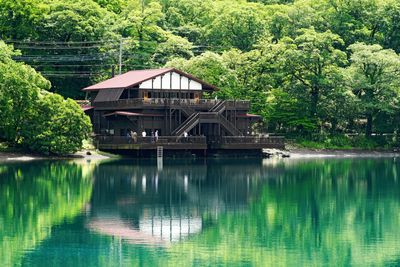
The lake's name comes from Chūzen-ji, the temple Shōdō Shōnin founded on its shore in 784; his remains are partly enshrined on Ueno Island, about 100 m offshore. From the 1890s foreign envoys summered here, and the former Italian and British embassy villas are now open as memorial parks. Fishermen still catch himemasu, a landlocked sockeye salmon stocked from Lake Towada in 1906.
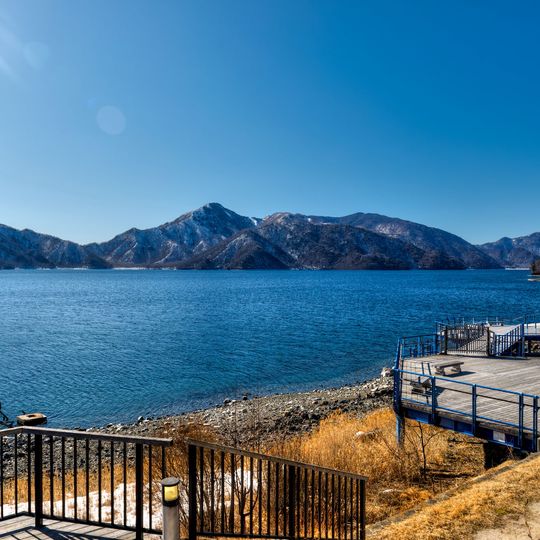
Buses run regularly from Nikko Station and take just under an hour through winding roads. Trails along the shore offer different difficulty levels and several lookout points with views of the water and surrounding peaks.
The shore sits over twelve hundred meters above sea level and is higher than any other large natural body of water in Japan. European and American envoys built summer houses along the coast in the Meiji era, and some can still be visited today.
The community of curious travelers
AroundUs brings together thousands of curated places, local tips, and hidden gems, enriched daily by 92,734 contributors worldwide.