Echigo Province, Historical province in Chūbu region, Japan
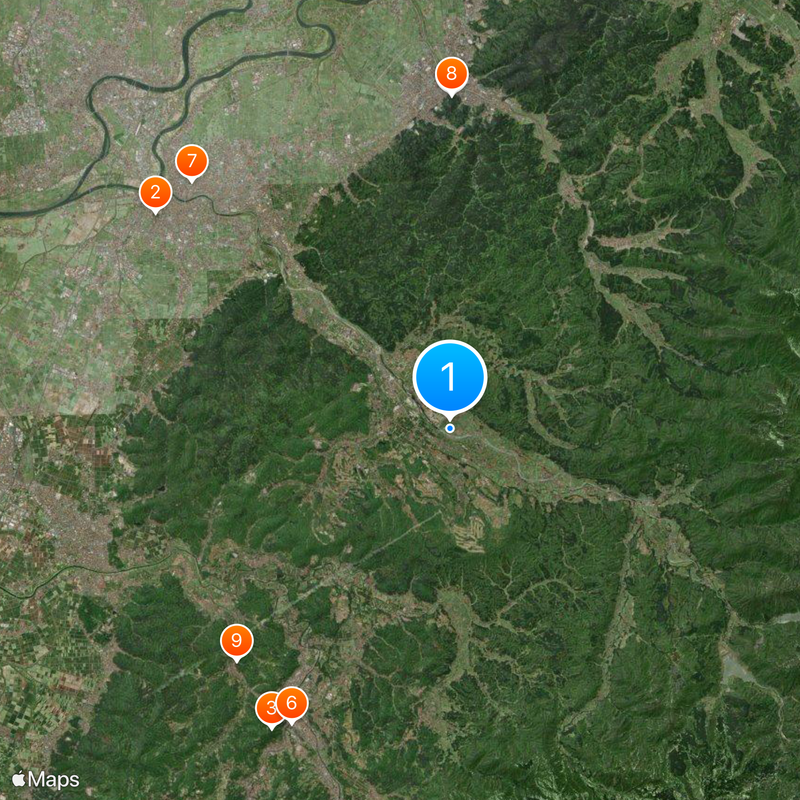
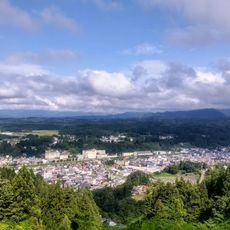
Echigo is a historical administrative unit along the Sea of Japan coast, covering the present-day Niigata Prefecture area excluding Sado Island. The topography combines flat coastal sections with mountainous inland areas divided by numerous rivers and valleys.
Emperor Monmu divided the ancient Koshi Province in the 7th century into three administrative units, including this territory. The region remained in place until the Meiji-era reforms in the 19th century, when modern prefectures were introduced.
The name derives from the Japanese term for "behind the pass," referring to the region's position beyond the mountains when traveling from the capital. Rice paddies still cover much of the former province and recall its role over centuries as a grain-producing area.
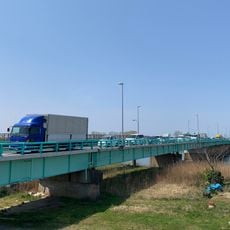
The old Hokurikudō highway route passed through the area, linking numerous post stations that are now replaced by modern transport corridors. Travelers can still trace parts of the historical route along the coast, where some traditional settlements remain.
Niigata harbor developed as a central hub for the kitamaebune trading network, which exchanged goods between Osaka and Hokkaido. These vessels carried rice, sake and fish products along the western coast and contributed to the economic growth of coastal towns.
The community of curious travelers
AroundUs brings together thousands of curated places, local tips, and hidden gems, enriched daily by 91,910 contributors worldwide.