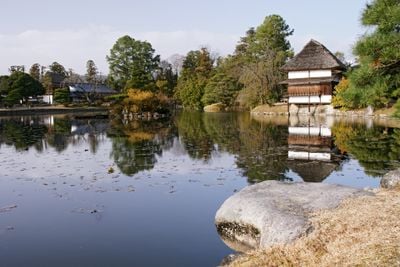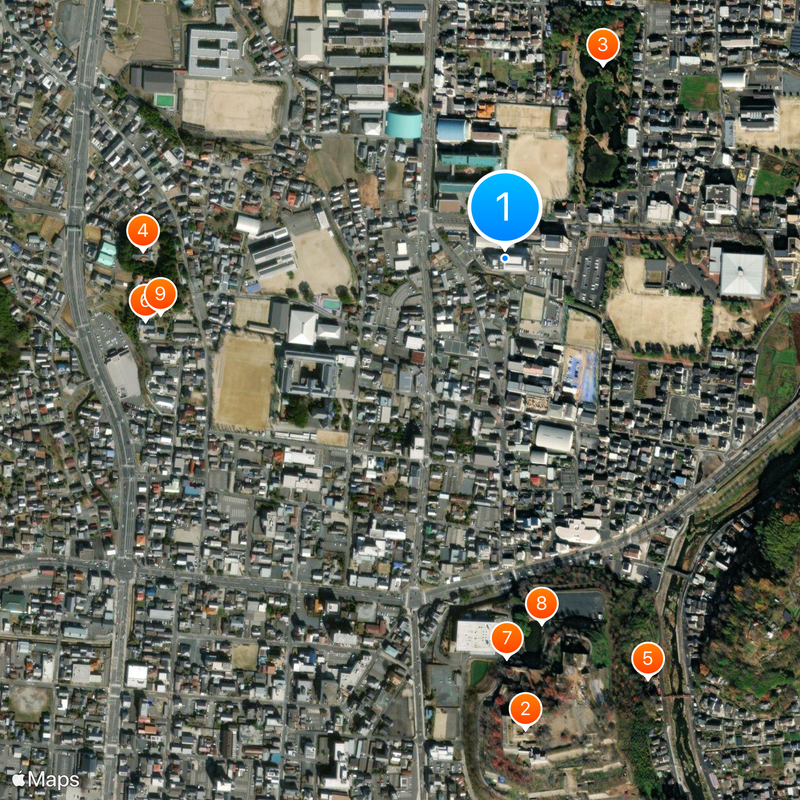
Tsuyama, Historical castle town in northern Okayama Prefecture, Japan
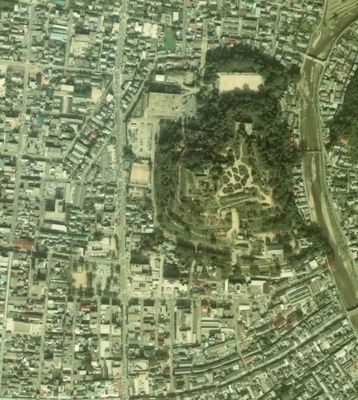
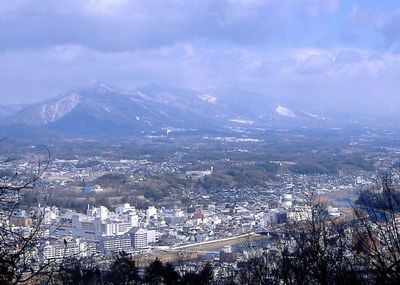
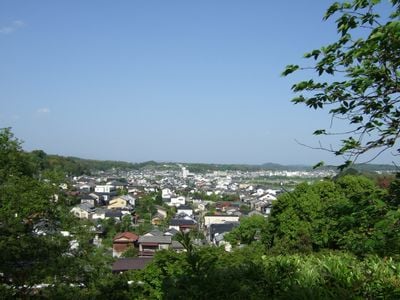
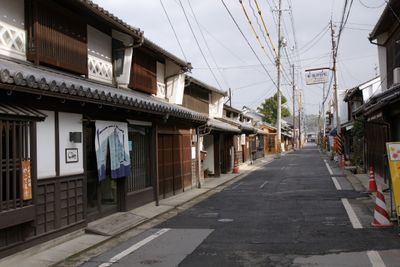
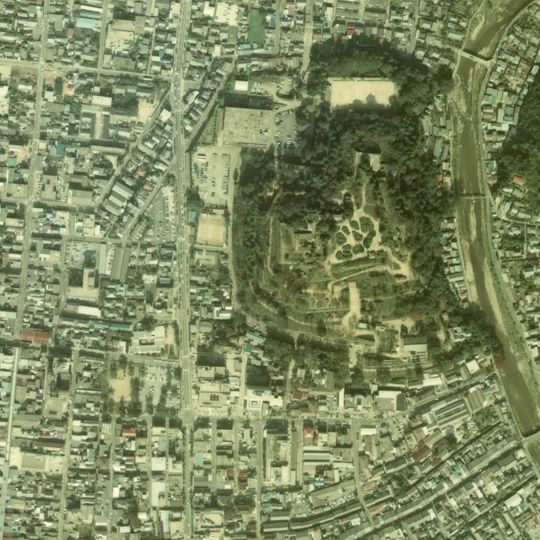
Tsuyama is a city in the northern part of Okayama Prefecture within the Chūgoku region of Japan, resting across several hills and valleys shaped by the Yoshii River. The historic center follows an old grid with remnants of fortifications crowning a wooded hill and rows of traditional merchant houses lining the main route below.
The area became a provincial capital in the early eighth century and received a new status as a castle town under the Mori family in 1603 from a Tokugawa ruler. The castle itself was built shortly after 1600 on the hill and largely dismantled in the 19th century, though the town layout below remained largely intact.
Every mid-April the former castle grounds transform when several thousand cherry trees bloom across the hillside and create a soft pink canopy over narrow paths that wind through the park. Old neighborhoods below preserve the original samurai street layouts with wooden townhouses clustered in lanes that once divided social ranks during the feudal centuries.
The city sits roughly an hour north of Okayama by regional rail through the mountains and serves as a gateway to rural areas of the prefecture. The center is walkable and most points of interest lie within a short distance from the station.
During early summer the outskirts produce a local beef called Sakushu-gyu prized for fine marbling throughout the region. Some sections of the old town still hide fragments of the original castle walls tucked between houses and shops.
The community of curious travelers
AroundUs brings together thousands of curated places, local tips, and hidden gems, enriched daily by 92,171 contributors worldwide.