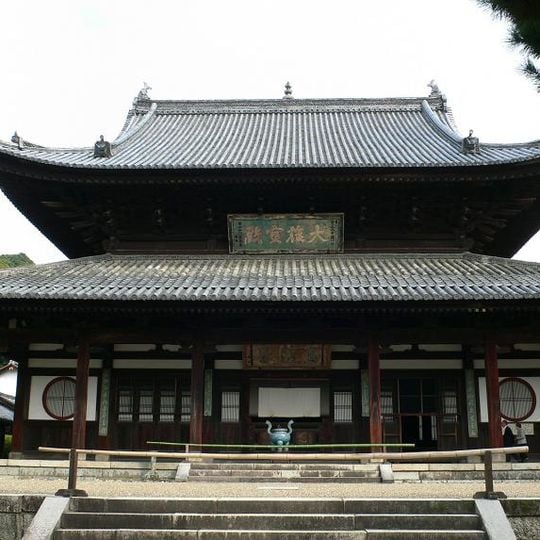
Manpuku-ji Temple, Buddhist temple in Uji, Japan
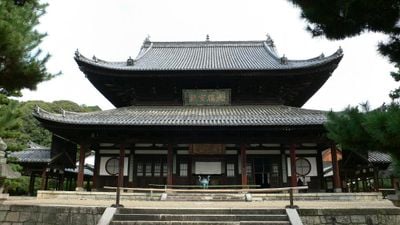
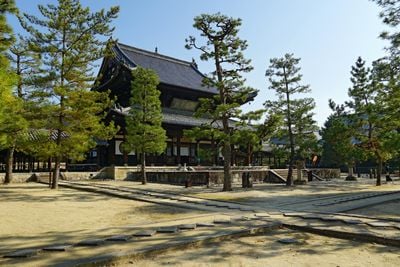
Manpuku-ji is a Buddhist temple in Uji, Kyoto Prefecture, and is designated as an Important Cultural Property of Japan. The compound spreads across multiple levels with a main hall, library building, and separate living quarters for monks, all connected by covered walkways.
A Chinese monk founded the site in the mid seventeenth century as a center for a new Zen school from the mainland. The buildings were erected over the following decades and have remained largely unchanged since the late seventeenth century.
The temple is named after Wanfu Temple on Mount Huangbo in Fujian, the home monastery of founder Yinyuan Longqi. Its vegetarian cuisine, fucha ryōri, uses plenty of vegetable oil and is served on large shared plates. Yinyuan and his disciples Mu'an and Jifei were called the 'Three Brushes of Ōbaku' for their calligraphy. The temple is also linked to Baisaō, the founder of senchadō.
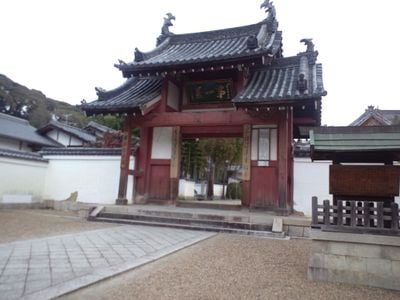
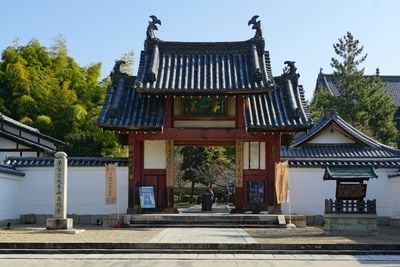
The main entrance lies roughly five minutes on foot from Obaku Station and the grounds open daily for visitors. Pathways between structures run over gravel, so closed footwear is recommended.
The temple's treasure house holds a complete set of Buddhist scriptures commissioned by the monk Tetsugen Doko and finished in 1678. It comprises about 60,000 woodblocks, funded by donations gathered nationwide over many years, and the blocks are still used for printing.
The community of curious travelers
AroundUs brings together thousands of curated places, local tips, and hidden gems, enriched daily by 93,262 contributors worldwide.