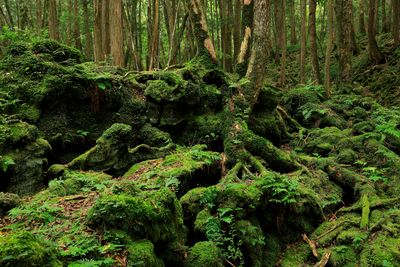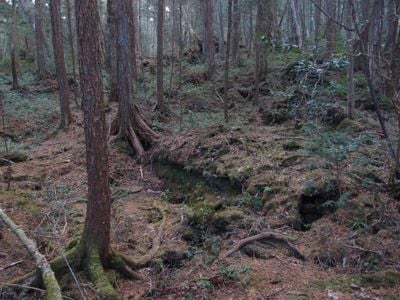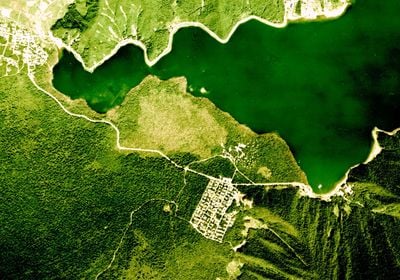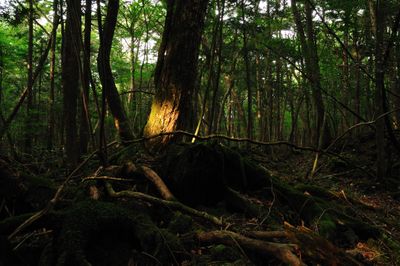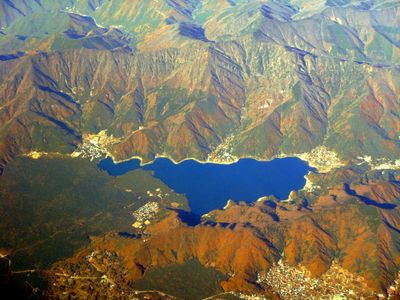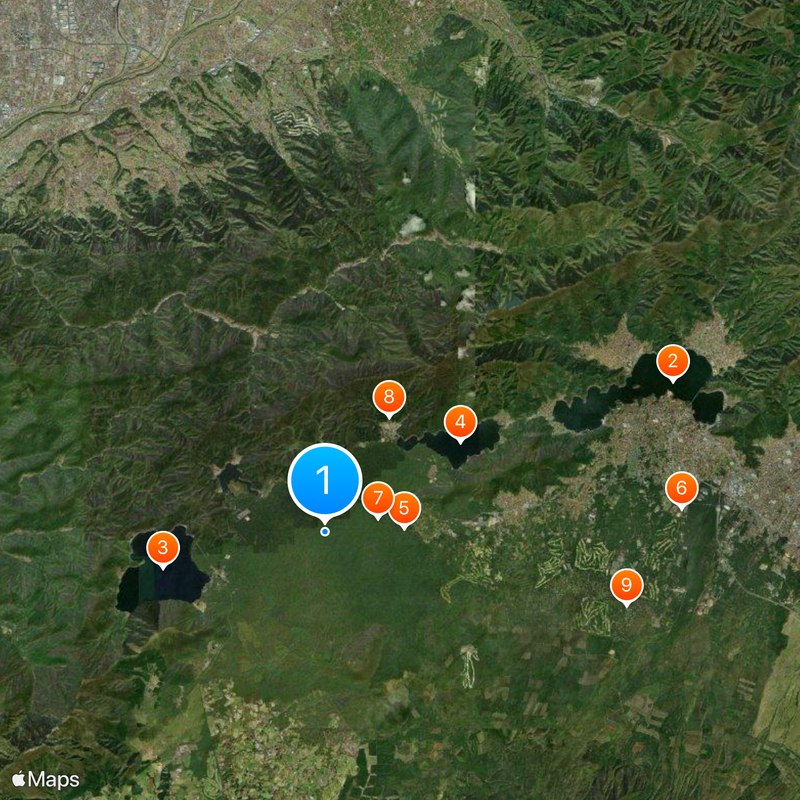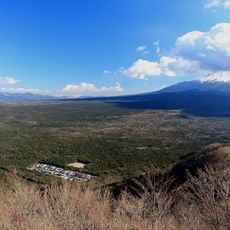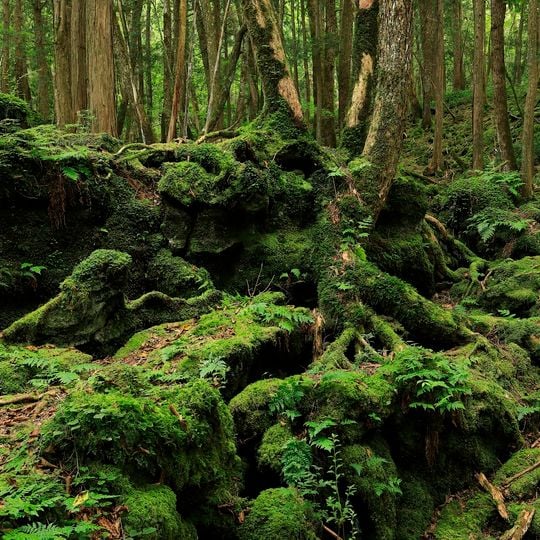
Aokigahara, Forest near Mount Fuji, Japan
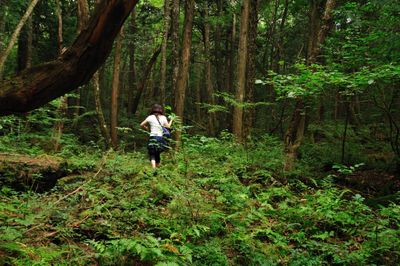
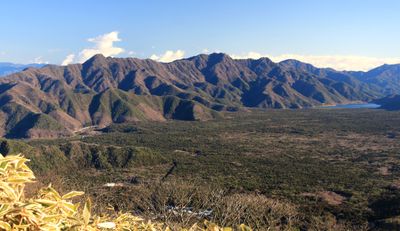
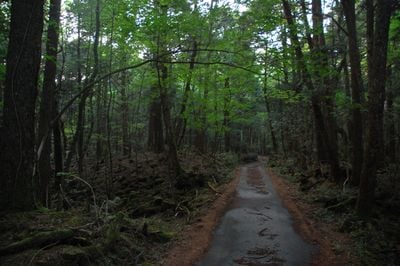
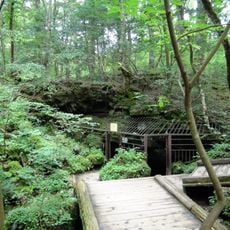
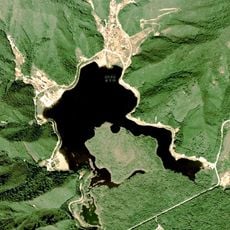
This dense woodland covers 30 square kilometers (12 square miles) between elevations of 3,020 and 4,270 feet (920 and 1,300 meters), where trails wind through hemlock and cypress stands rooted in volcanic rock riddled with subterranean cavities.
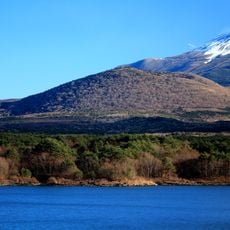
Plant life colonized the terrain following Mount Fuji's eruption in 864, when lava flows buried the existing landscape, and authorities granted protection as part of Fuji-Hakone-Izu National Park during the 20th century before UNESCO recognition arrived in 2013.
Local communities regard this woodland as a site of spiritual contemplation, referenced throughout Japanese literature and modern media, where isolation has long drawn those seeking solitude and introspection away from populated areas.
Stick to marked trails since uneven ground conceals volcanic cavities and magnetic rock formations interfere with compass navigation, while buses from Fuji Five Lakes towns provide access from spring through autumn when trails remain passable.
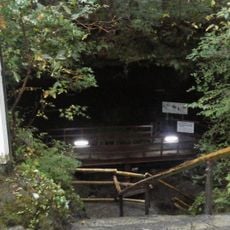
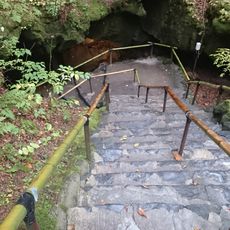
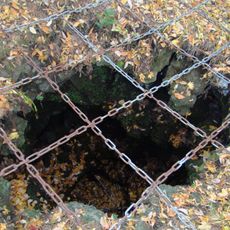
Fugaku Wind Cave preserved ice year-round until household refrigerators became common in the 1960s, ending commercial ice harvesting operations that had supplied regional communities for multiple generations before modern cooling technology arrived.
The community of curious travelers
AroundUs brings together thousands of curated places, local tips, and hidden gems, enriched daily by 90,800 contributors worldwide.