Kikai Island, Volcanic island in Amami archipelago, Japan
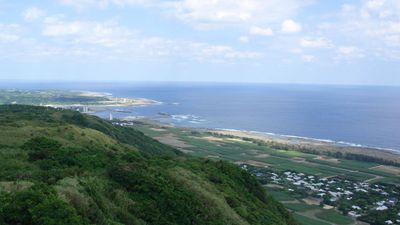
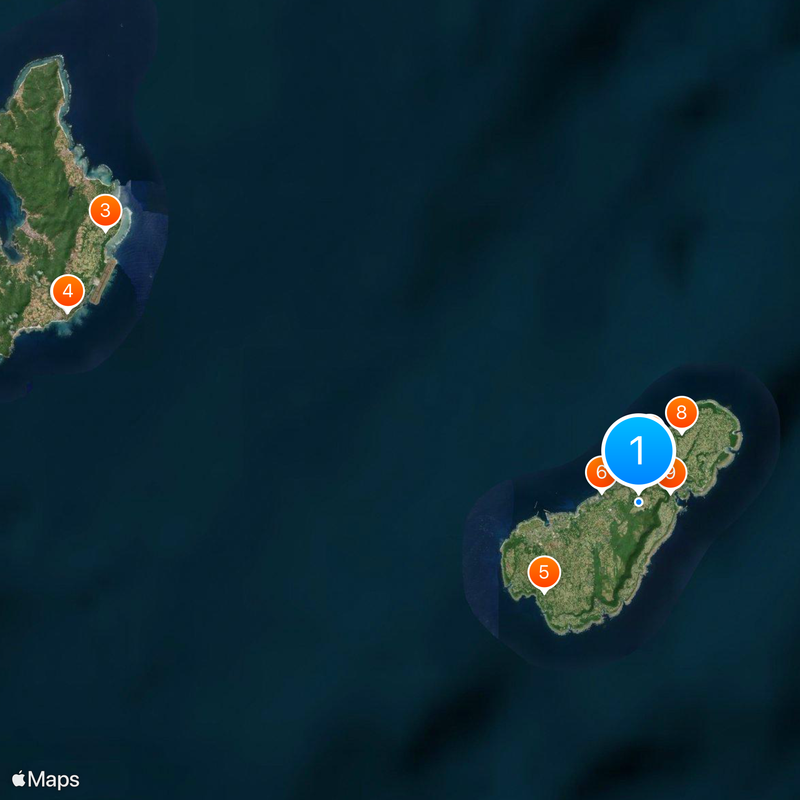
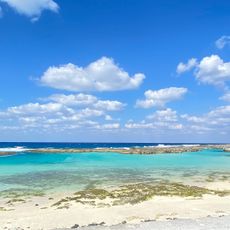
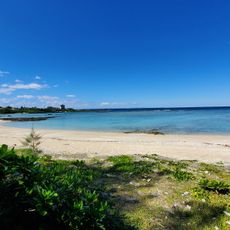
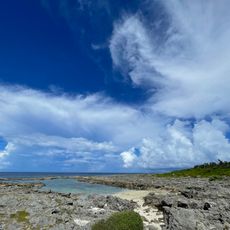
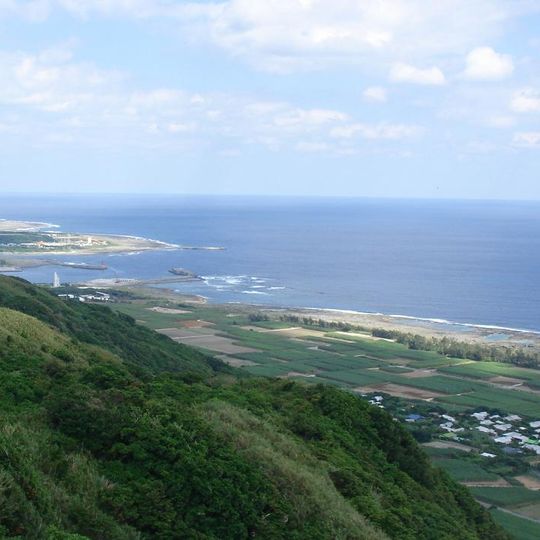
Kikai is an island in the East China Sea that belongs to the Amami group in southern Japan and stretches roughly twelve kilometers long by four kilometers wide. The surface consists mainly of raised coral formations that create flat plains and gentle rises, with settlements along the coast and small harbors serving as landing points for fishing boats.
During the feudal period the island fell under Satsuma control and farmers were required to grow large amounts of sugarcane, often at the expense of their own food crops. This era of control and sugar trade shaped the economy for generations and left traces in the memory of the people who live here today.
Islanders preserve a centuries-old connection to the sea that shows itself in daily routines and local songs. Fishing boats return each morning with fresh catch while women at the harbors mend nets and sort the haul, much as their grandparents did before them.
Flights from Kagoshima reach the island in about an hour, while ferries offer a slower but cheaper alternative and travel overnight. The terrain is largely flat, so visitors can explore the coastal roads easily by bicycle or on foot, though sun protection is important due to the open landscape.
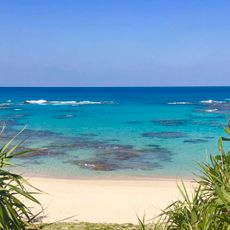
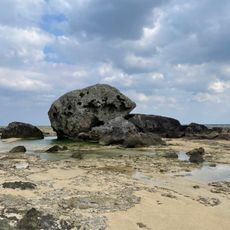
The coral platform on which this island formed rises measurably from the sea each year, a geological process among the fastest in the world. Visitors can see fossilized corals along the coast that once lay deep underwater and now form dry rocks, a testament to this slow but steady movement.
The community of curious travelers
AroundUs brings together thousands of curated places, local tips, and hidden gems, enriched daily by 90,833 contributors worldwide.