Chikurin-ji Temple, Buddhist temple in Godaisan, Kōchi, Japan
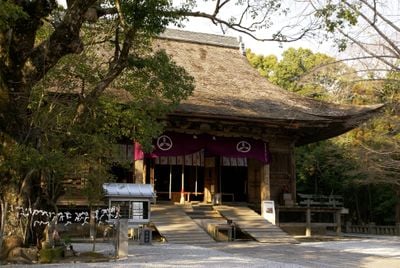
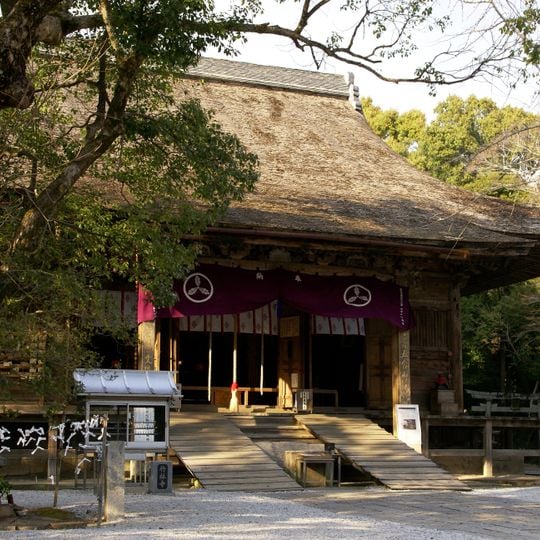
Chikurin-ji is a Shingon temple on Godaisan in Kōchi, temple 31 of the Shikoku 88 temple pilgrimage. Its main hall, a 5x5-bay Muromachi-period building with a hip-and-gable shingle roof, has a deep thatched roof and dark wooden facade with a purple curtain bearing white emblems. A wide wooden staircase with plank treads leads up to the entrance.
The temple was founded in 724 when Emperor Shōmu instructed the Buddhist monk Gyōki to locate a site resembling Mount Wutai in China. The garden was later designed during the Kamakura period to support meditative practice.
The name Chikurin-ji means "bamboo grove temple", though the precinct is wooded with other trees. The temple is the only one of the 88 pilgrimage sites whose main image is Monju Bosatsu, and pilgrims receive a stamp bearing the main image and the okunoin Fudō Myōō. The wooden Monju pentad, five single-block camphor statues of the late Heian period, is shown in the treasure hall except for the hibutsu main image, unveiled once every fifty years, next in 2064.
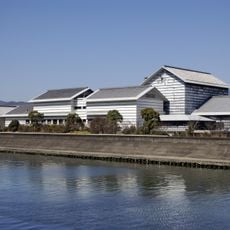
The MY Yu bus stops at Chikurinji-mae, 0.1 km from the temple; Tosa Den Kotsu buses serve Godaisan Nokyo-mae and Sakamoto-mae. Free parking for 100 cars and 5 large vehicles stands by the botanical garden below the main hall, with about 10 more spaces behind Funaokadō. The treasure hall and garden are open 8:30–17:00.
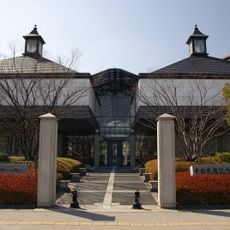
The temple bell, cast in 1284, is a prefectural cultural property. The pond garden is attributed to Musō Soseki, who stayed at the temple in 1318; it was designated a Place of Scenic Beauty in 2004.
The community of curious travelers
AroundUs brings together thousands of curated places, local tips, and hidden gems, enriched daily by 93,201 contributors worldwide.