Lake Mashū, Volcanic crater lake in Akan-Mashu National Park, Japan
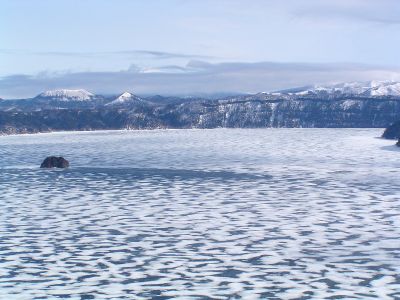
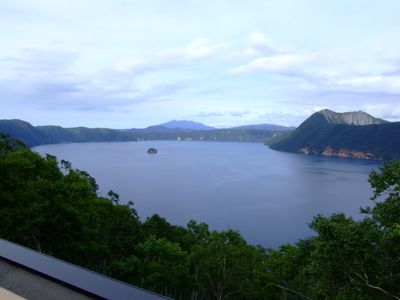
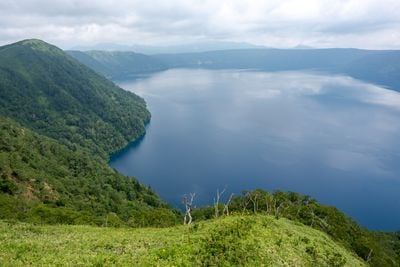
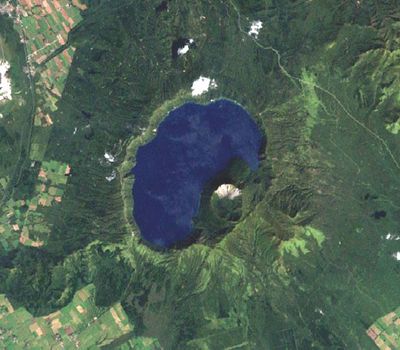
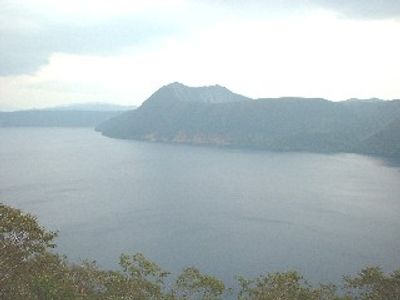
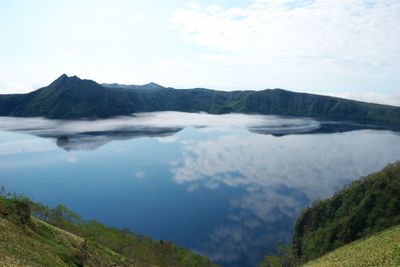
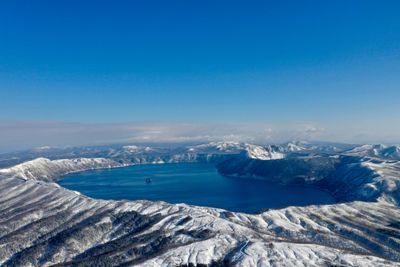
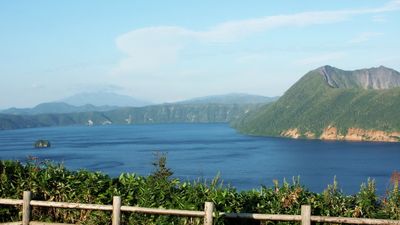
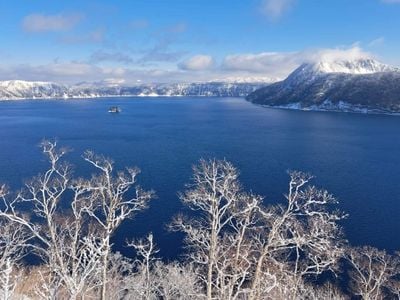
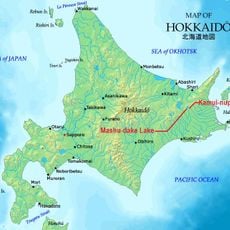
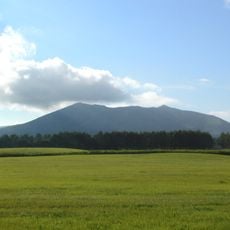
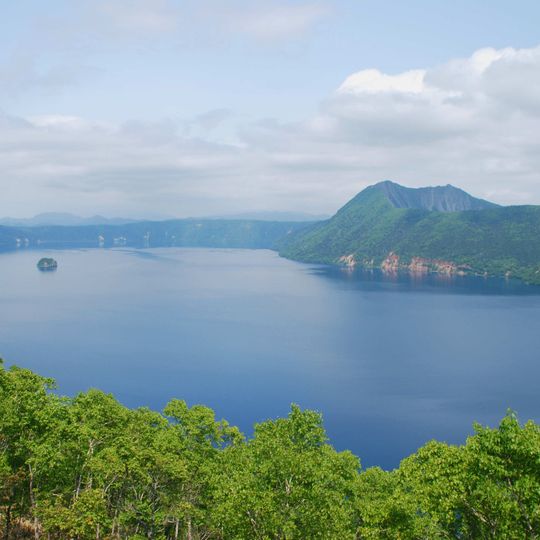
Lake Mashū is a volcanic crater lake in Akan-Mashu National Park with blue waters reaching a depth of 212 meters, surrounded by steep walls that rise 350 meters above the surface. The caldera shows a nearly circular shape with clear shores, while Kamuishu Island stands as the only landmass emerging from the water.
The caldera formed 32,000 years ago through a massive volcanic eruption that shaped the present basin. The last volcanic activity occurred approximately 2,000 years ago when Kamuishu Island emerged from the water.
The Ainu people call this body of water Kintan-kamuy-to, meaning Lake of God in the Mountain, which reflects their spiritual connection to the natural world. This original name is still used today and reminds visitors of the indigenous community's long history in this region.
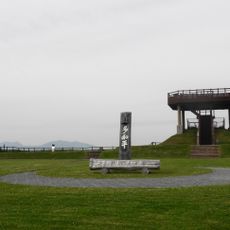
Three observation platforms provide different perspectives of the water, with the western platform offering the widest view and accessible by car from Mashu Station. Fog occurs frequently and can limit visibility, so an early morning visit often provides clearer conditions.
The water has no visible inlets or outlets and maintains its level through underground seepage and rainwater, which contributes to its exceptional clarity. This closed hydrology makes it one of the purest bodies of water in Japan with a visibility depth that once reached 41 meters (135 feet).
The community of curious travelers
AroundUs brings together thousands of curated places, local tips, and hidden gems, enriched daily by 91,370 contributors worldwide.