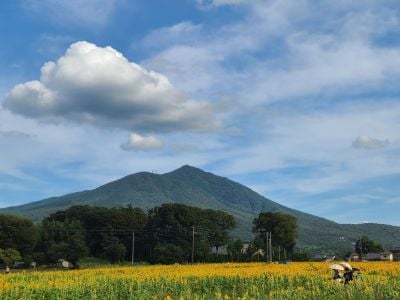
Mount Tsukuba, Sacred mountain in Ibaraki Prefecture, Japan
Mount Tsukuba is a twin-peaked granite mountain in Ibaraki Prefecture, Japan. The two summits rise 877 meters (2,877 feet) above the Kanto Plain and remain visible from far away.
A nobleman named Tsukuha no Mikoto gave the mountain its name, as recorded in a manuscript from 721 AD. The shrine on the mountain developed over the centuries into an important religious site.
The male peak Nantai-san and the female peak Nyotai-san reflect the traditional belief that both summits form a pair. Visitors come on holidays and weekends to pray for harmonious partnerships and visit the viewpoints.
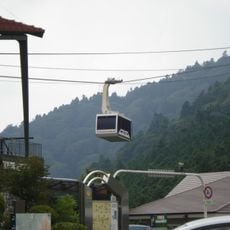
The cable car runs from Miyawaki Station beside the Tsukubasan Shrine worship hall to Miyukigahara near the summit of Nantai-san. The ropeway connects Tsutsujigaoka Station to the top of Nyotai-san. Seven designated hiking trails climb the mountain, and walking off them is prohibited. The bus stop to Miyawaki Station is about a 20-minute walk from the shrine, with slopes and stone steps.
The immunosuppressant tacrolimus, used in organ transplants, was first isolated from a soil bacterium found on the mountain and named Streptomyces tsukubensis; the drug's name comes from "Tsukuba macrolide immunosuppressant". In 1941 the Japanese navy used "Tsukubayama hare" (Mount Tsukuba is clear) as the coded order to return from the Pearl Harbor attack, pairing it with "Niitakayamanobore".
The community of curious travelers
AroundUs brings together thousands of curated places, local tips, and hidden gems, enriched daily by 93,666 contributors worldwide.