Bukkō-ji Temple, Buddhist temple in Shimogyō-ku, Japan
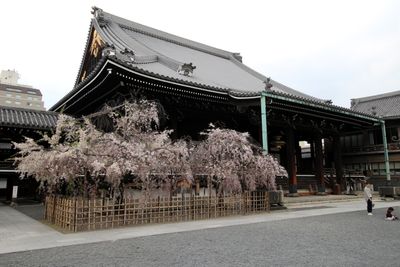
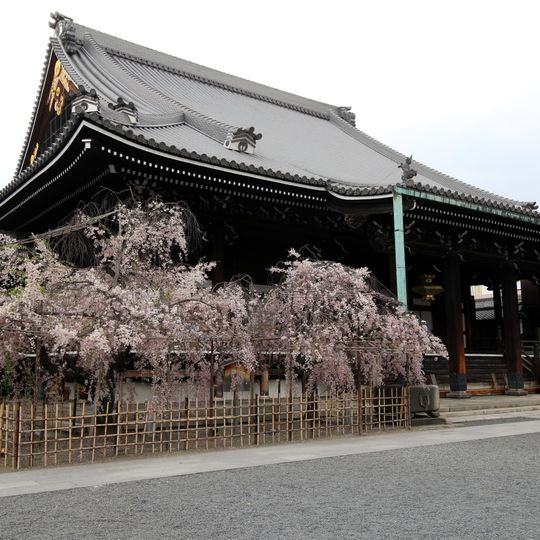
Bukkō-ji is a Buddhist temple in Shimogyō-ku in Kyoto that features a main hall with an Amida Buddha statue and traditional Japanese architectural forms. The complex sits in a central part of the city and combines classic timber construction with quiet inner courtyards.
Ryōgen (1295–1336), a Kantō disciple of Jōdo Shinshū, moved to Kyoto in 1320 and built a chapel in Yamashina; the temple was established there in 1324 under the name Kōshō-ji, with Zonkaku's help. Renamed Bukkō-ji after its 1329 move nearer Hongan-ji, it outgrew its rival before the Onin War of 1467 burned its halls. In 1586 Toyotomi Hideyoshi had it moved to its present site to free land for the Great Buddha hall.
The temple's name comes from a dream of Emperor Go-Daigo: a ray of light from the southeast led to the discovery of a stolen wooden Amida statue, and the temple received the imperial name Amida Bukkō-ji. The wooden standing statue of Prince Shōtoku, carved by Tanjō in 1320, is a designated Important Cultural Property. Each morning at 7:30 a sermon meeting is held in the tea house between the Amida and Goeidō gates.
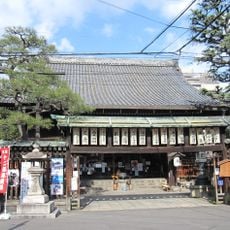
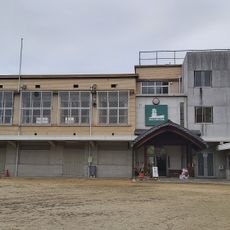
The temple stands in Shimogyō-ku, about seven minutes on foot from Shijō Station on the Karasuma subway line. The tea house between the Amida Hall gate and the Mieidō gate opens at 7:30 each morning for a sermon meeting, and at midday it operates as dd食堂 Kyoto, a canteen run by D&DEPARTMENT. The adjoining Wakōjo serves as the D&DEPARTMENT KYOTO shop.
Emperor Go-Daigo named the temple Amida Bukkō-ji after he experienced a vision of light that led to the recovery of a stolen Buddha statue. This naming linked religious devotion with imperial support and strengthened the position of the site within the Jōdo Shinshū tradition.
The community of curious travelers
AroundUs brings together thousands of curated places, local tips, and hidden gems, enriched daily by 93,167 contributors worldwide.