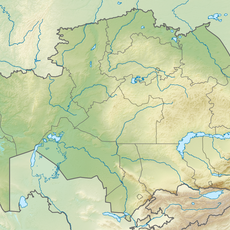
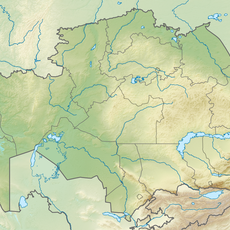
Karsakpay, place in Karaganda Region, Kazakhstan
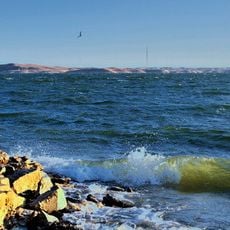
Karsakpay is a small settlement on flat terrain in central Kazakhstan, positioned at the southern side of a dam. The village consists of simple buildings made of basic materials and sits about 450 to 500 meters above sea level in a semi-arid landscape with sparse vegetation.
Karsakpay was founded in 1911 or 1912 as a workers' town for a copper smelter that British investors built after 1913. Following the Russian Revolution in 1919, the facility was nationalized and modernized under Soviet rule, with copper production beginning in 1928.
The name Karsakpay reflects the Kazakh language and the area's geographical heritage. Visitors today notice a quiet settlement where traditional celebrations and community gatherings keep local customs alive and strengthen bonds among residents.
The area is connected to the city of Zhezkazgan about 87 kilometers away by a paved road and a railway line that serves both freight and passengers. Visitors should prepare for a harsh climate, as winters can become extremely cold and snow or ice may make access difficult.
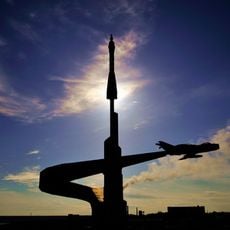
The geologist Kanysh Satbayev began his remarkable career in Karsakpay in 1927 and later built a museum at the site to document his groundbreaking work. The nearby Ulytau Mountains also hold a famous inscription from 1391 made under Timur the conqueror, which is now preserved in a Russian museum.
The community of curious travelers
AroundUs brings together thousands of curated places, local tips, and hidden gems, enriched daily by 60,000 contributors worldwide.