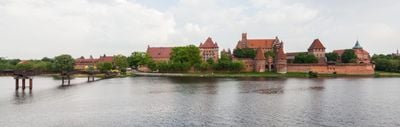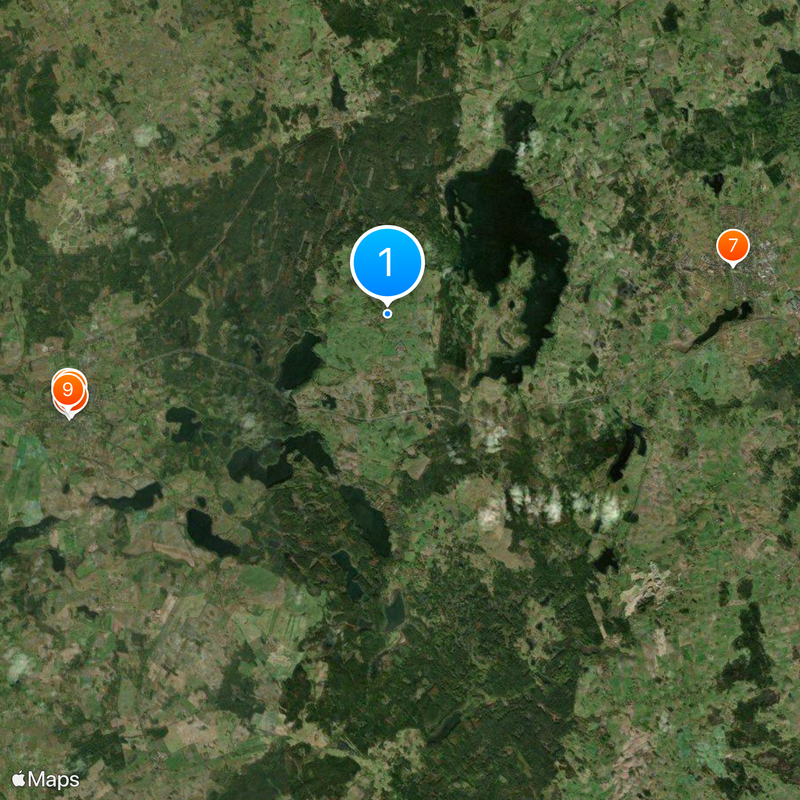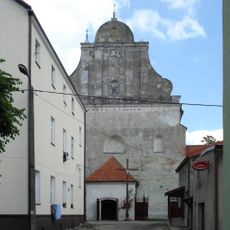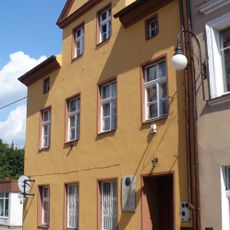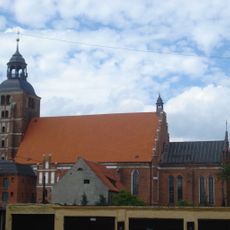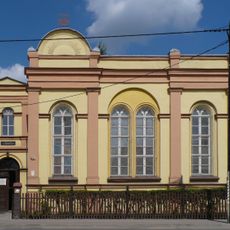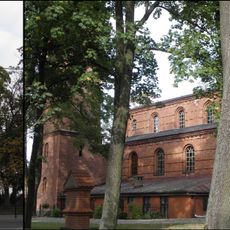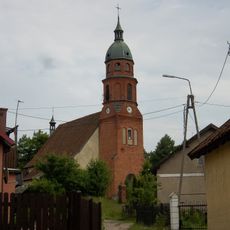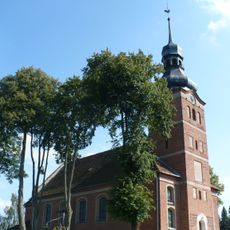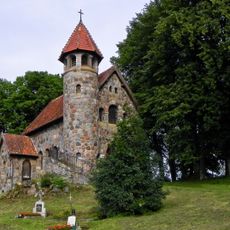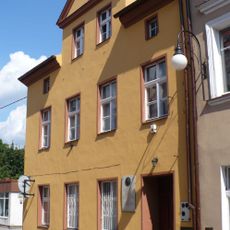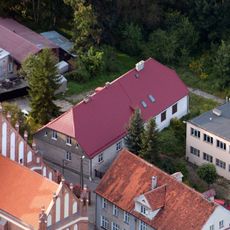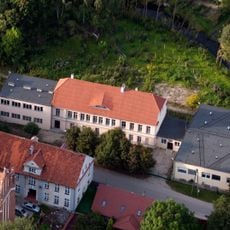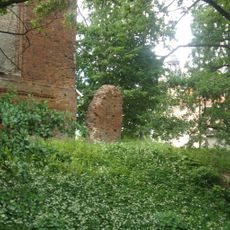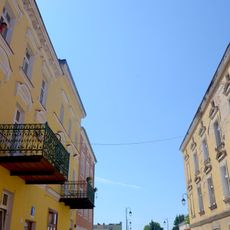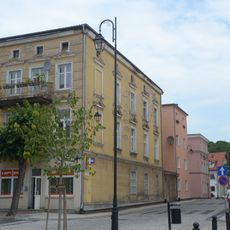
Prussia, Historical region between Vistula and Curonian Spit, Poland
Prussia is a historical region stretching between the Vistula River and the Curonian Spit across northern Poland and Russia's Kaliningrad exclave. The area includes flat coastal strips along the Baltic Sea, forested hill ranges inland and numerous lakes crossed by rivers and canals.
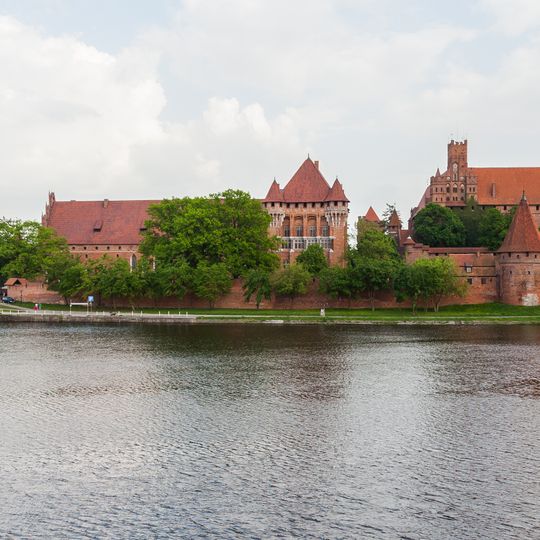
The Teutonic Order conquered the area in the 13th century and founded a monastic state that spread Christianity and brought German settlers into the land. After World War II, the territory was divided between Poland and the Soviet Union, with the northern part becoming Russia's Kaliningrad Oblast.
The name comes from the Baltic Prußai, a pre-Christian people who lived here until medieval times and whose traces remain visible today in place names and archaeological sites. The current landscape shows a mix of Polish villages, Russian towns and farms built over old trade routes and fortifications.
The region is best explored today through separate trips to Poland and Russian Kaliningrad, as the border requires crossing controls. Visitors need a visa for Kaliningrad, while the Polish side is freely accessible and spans several voivodeships.
The Old Prussian language died out in the 17th century, but it left behind a distinct grammatical system with three genders and complex case forms that differ sharply from surrounding Slavic and Germanic tongues. Today linguists attempt to reconstruct the phonetics and syntax of this lost Baltic tongue from surviving texts and word lists.
The community of curious travelers
AroundUs brings together thousands of curated places, local tips, and hidden gems, enriched daily by 91,231 contributors worldwide.