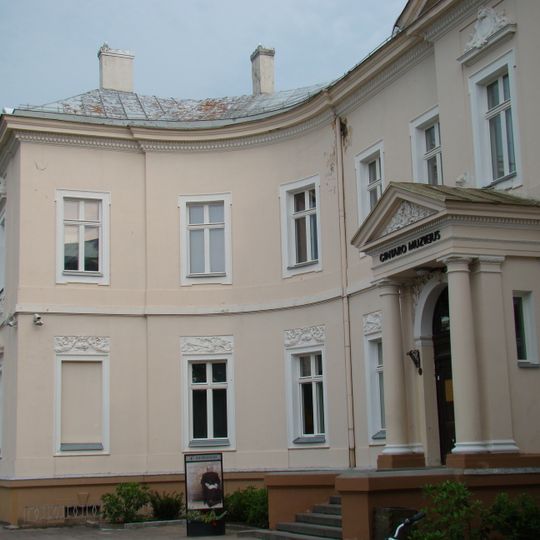
Tiškevičiai Palace, Neo-Renaissance palace in Palanga, Lithuania
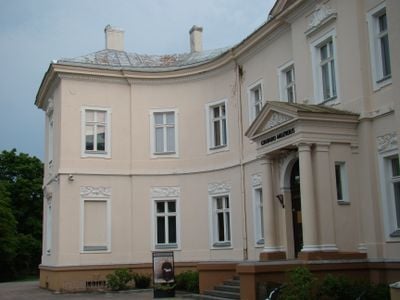
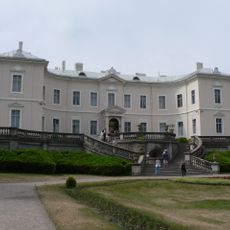
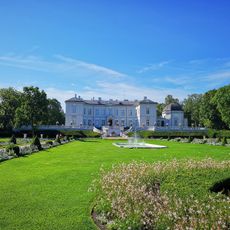
Tiškevičiai Palace is a two-story structure in Palanga with a striking central arched terrace adorned with French sculptures and Italian architectural details throughout its facade. The building houses multiple exhibition spaces, while the surrounding grounds feature an expansive botanical garden with ponds, fountains, and rare plant collections.
German architect Franz Heinrich Schwechten designed this palace for the Tyszkiewicz family and completed construction between 1893 and 1897 in Neo-Renaissance style. The building rose during a period of economic growth in Palanga, becoming a symbol of the region's wealthy families.
The palace reflects the tastes of its wealthy owners, blending European artistic trends with local Baltic elements in its design and furnishings. Visitors can explore the amber collection in the lower rooms, revealing how this material shaped the region's cultural identity and trade.
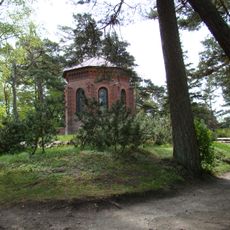
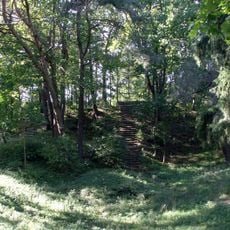
The botanical gardens surrounding the palace are accessible year-round and offer different paths to explore depending on the season. Visitors should wear comfortable shoes as the grounds are hilly and require several hours for a complete exploration.
At the entrance stands a reconstructed statue of Jesus Christ erected in 1993 to replace the original from 1907, which was lost during the 20th century. This reconstruction shows how historic monuments in the region were restored to preserve local traditions.
The community of curious travelers
AroundUs brings together thousands of curated places, local tips, and hidden gems, enriched daily by 91,287 contributors worldwide.