Terra Mariana, Medieval confederation in northern Latvia.
Terra Mariana was a medieval territorial state that stretched between the Baltic Sea and Lake Peipus, encompassing present-day Estonia and Latvia with Riga as its capital. The region was divided into several semi-autonomous areas governed by the Livonian Order, the Archbishop of Riga, and other ecclesiastical powers.
Terra Mariana was founded in 1207 when Bishop Albert von Buxhoeveden established military control over Baltic tribes during the Northern Crusades. This founding marked the beginning of Christian conquest and foreign rule, transforming the region's political and religious landscape.
The name Terra Mariana reflects the territory's dedication to the Virgin Mary by medieval Christian authorities. German merchants and missionaries gradually introduced Christianity to the region, reshaping the religious beliefs and practices of local Baltic and Finno-Ugric peoples.
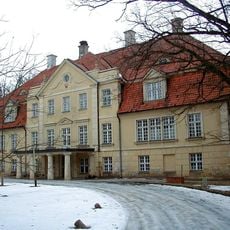
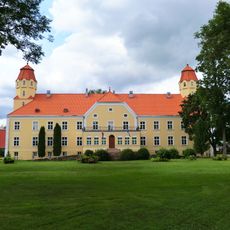
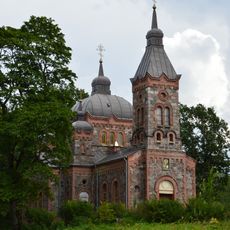
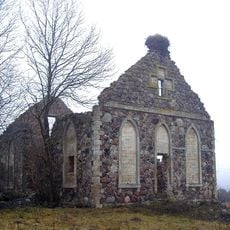
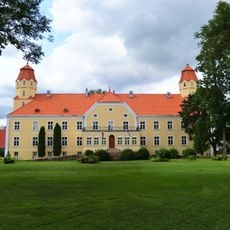
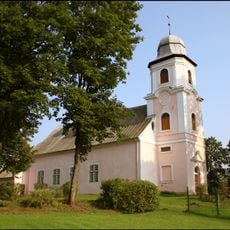
The territory cannot be visited as a single location today, as it is scattered across modern Estonia and Latvia. Those interested in its history can find buildings and museums in Riga and other historic cities throughout the region that reflect this medieval period.
The region was known for merchant networks that connected the Baltic with Central Europe, making cities like Riga important hubs for trade and cultural exchange. These connections helped establish economic and intellectual ties that extended far beyond the territory's borders.
The community of curious travelers
AroundUs brings together thousands of curated places, local tips, and hidden gems, enriched daily by 92,172 contributors worldwide.