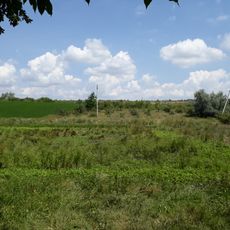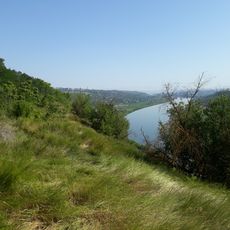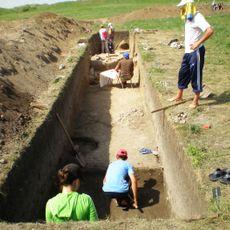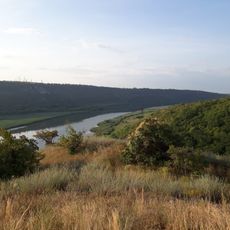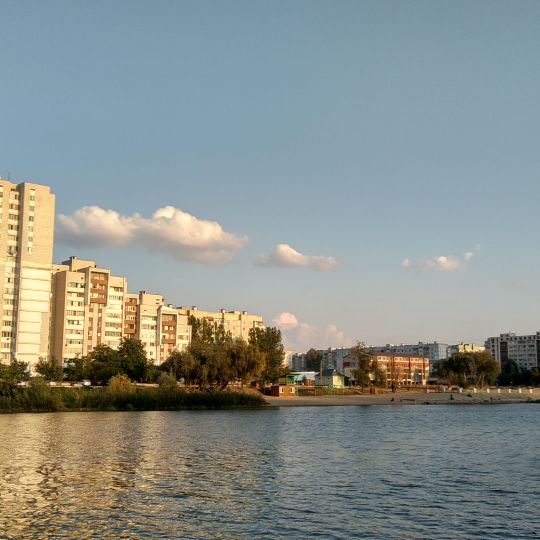
Rîbnița, Administrative center on the Dniester River, Moldova
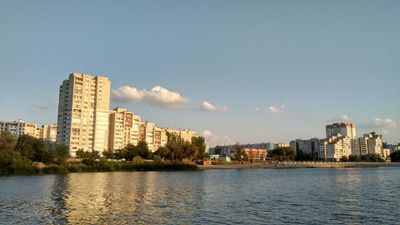
Rîbnița spreads along the left bank of the Dniester River and is protected by a concrete dam. Several industrial plants are scattered throughout the urban landscape, shaping the city's appearance.
The settlement began in 1628 as a Ruthenian village called Rybnytsia, its name derived from the word for fishery. It later came under the rule of Polish noble families controlling Bracław County.
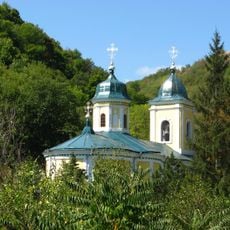
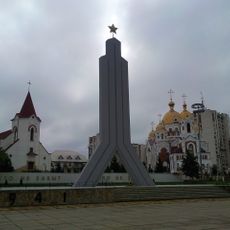
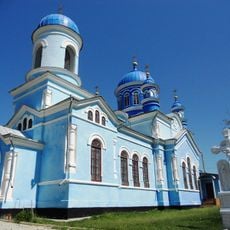
The city center holds three neighboring religious buildings representing different faiths: a Catholic church, an Orthodox church, and a synagogue standing side by side. This arrangement reflects how different communities once coexisted peacefully within the same neighborhood.
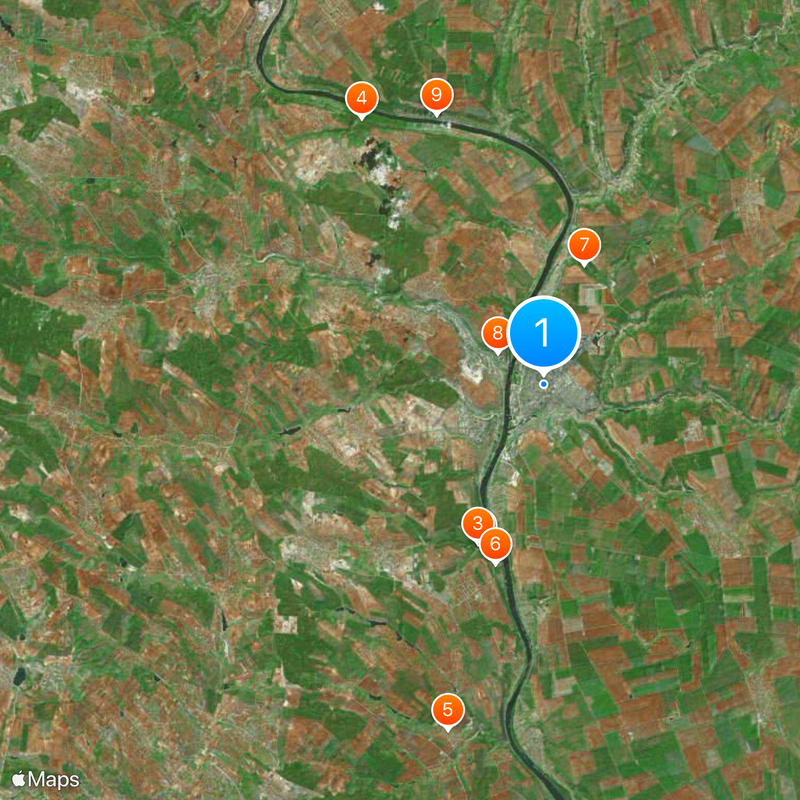
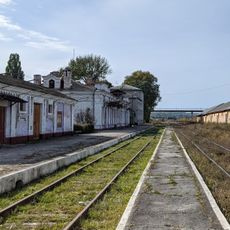
The railway station and river port facilitate arrival and movement around town. Victory Street functions as the main road through the city center, making it a useful reference point when navigating.
A major steel plant is the region's leading employer and economic engine. The factory is widely known across the country and defines much of the city's economic identity.
The community of curious travelers
AroundUs brings together thousands of curated places, local tips, and hidden gems, enriched daily by 60,000 contributors worldwide.