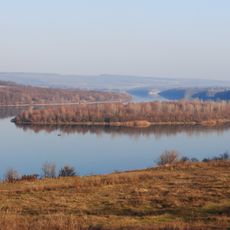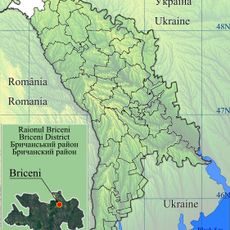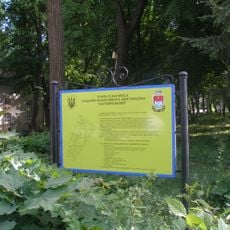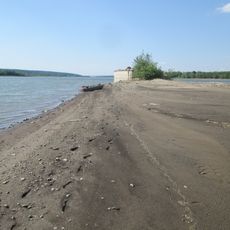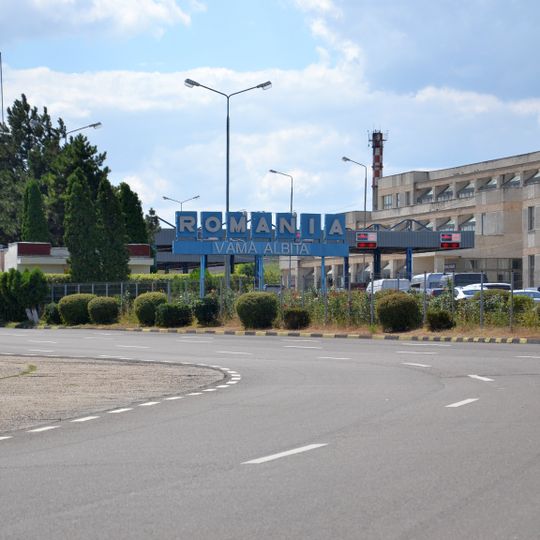
Moldova–Romania border, separates the state territories of the two States
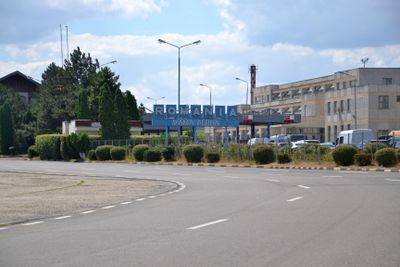
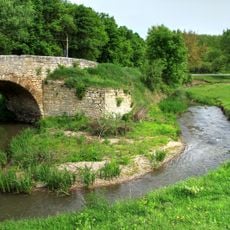
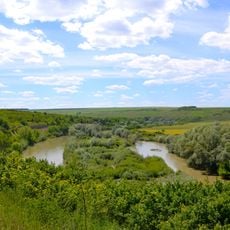
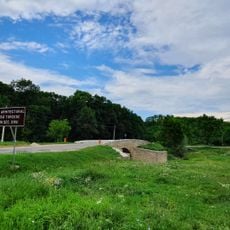
The border between Moldova and Romania runs along the Pruth River and includes several crossing points where travelers pass through border controls. Major crossings like Albita-Leuseni and Sculeni-Sculeni connect roads and railway networks, while others such as Stanca-Costesti cross via dams.
Moldova and Romania, also known as Moldavia, have historically shared close ties, with borders shifting over time based on important trade routes and river crossings. Today's crossing points developed along these established pathways that have served as connections for movement and commerce for centuries.
The border represents a meeting point between two cultures, visible in the multilingual signs and the different uniforms of border staff from each country. Small towns near the crossing points feature markets and local shops where everyday rhythms and customs show how people live on either side.
When entering Moldova, drivers need a vignette for road use, and Romania requires a digital document called Rovinieta that can be purchased online before traveling. Keep travel documents ready and consider crossing early in the morning or late in the evening to avoid longer waiting times.
The Ungheni crossing is notable because it connects Romanian and Moldovan railway networks through the historic Eiffel Bridge, a metal structure landmark. This rail crossing appeals to travelers interested in train travel and offers a different perspective on border crossing.
The community of curious travelers
AroundUs brings together thousands of curated places, local tips, and hidden gems, enriched daily by 91,073 contributors worldwide.