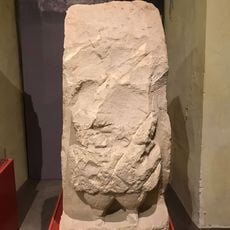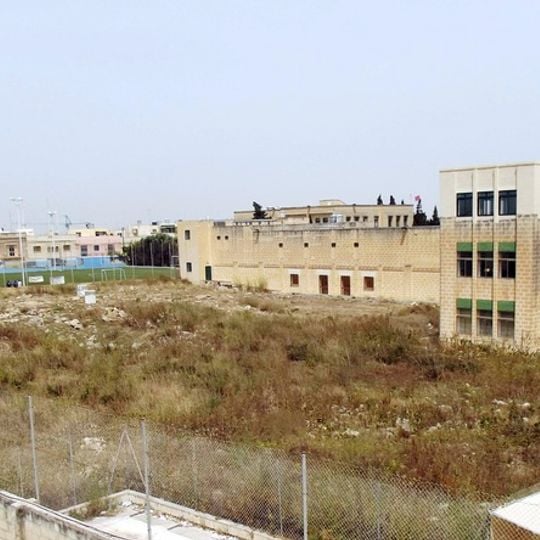
Żejtun Roman villa, Archaeological remains of Roman residence in Żejtun, Malta.
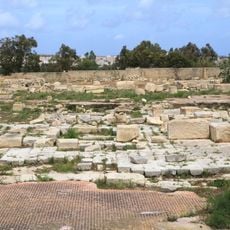
The Żejtun Roman villa is an archaeological site containing stone water channels, large cisterns, and residential rooms marked by distinctive lozenge-shaped tile pavements. The remains spread across multiple sections, revealing the layout of a substantial ancient dwelling complex.
The villa was discovered in 1961 during school construction and functioned as an olive oil production facility until the end of the 3rd century AD. This production focus reveals how agriculture and commerce shaped the economic life of this settlement.
A cooking pot bearing Punic inscriptions honoring the goddess Ashtart was discovered among the ruins, revealing spiritual practices of the ancient Mediterranean world. Such objects show how daily life and religious belief were intertwined at the villa.
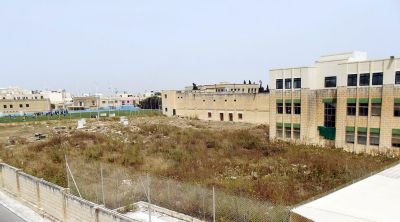
The site sits on a flat ridge approximately 60 meters above sea level within the grounds of a secondary school. Access may depend on school schedules, so visitors should check availability beforehand.
The residential section contains three rectangular chambers with distinct tile patterns that set them apart from other Roman villas across the island. These design differences may reflect local craftsmanship traditions or the personal preferences of those who lived there.
The community of curious travelers
AroundUs brings together thousands of curated places, local tips, and hidden gems, enriched daily by 91,992 contributors worldwide.