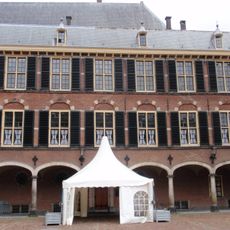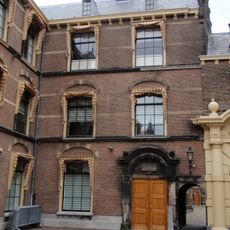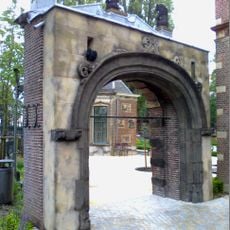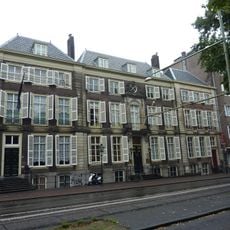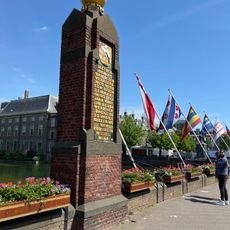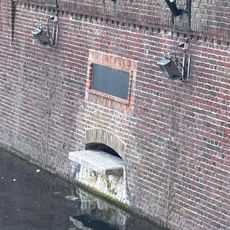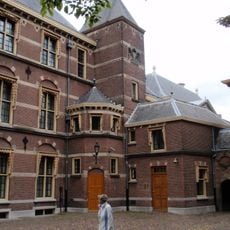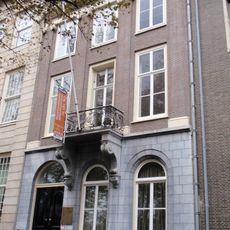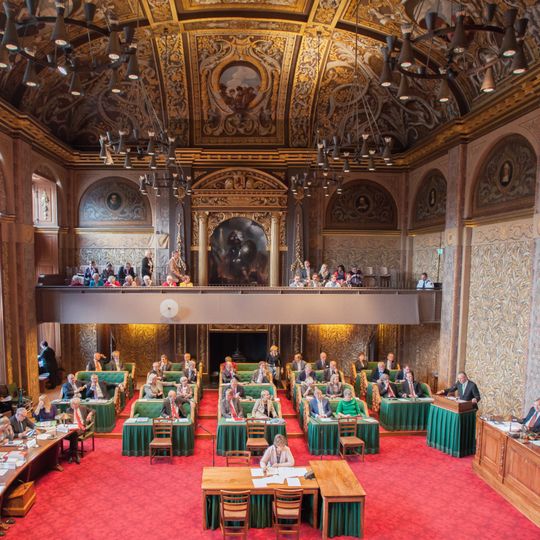
Senate, Upper house of Parliament in The Hague, Netherlands
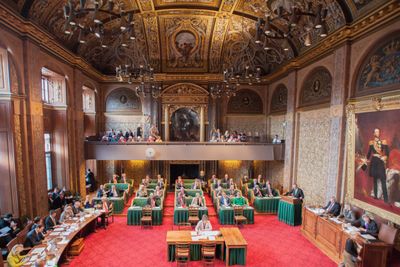
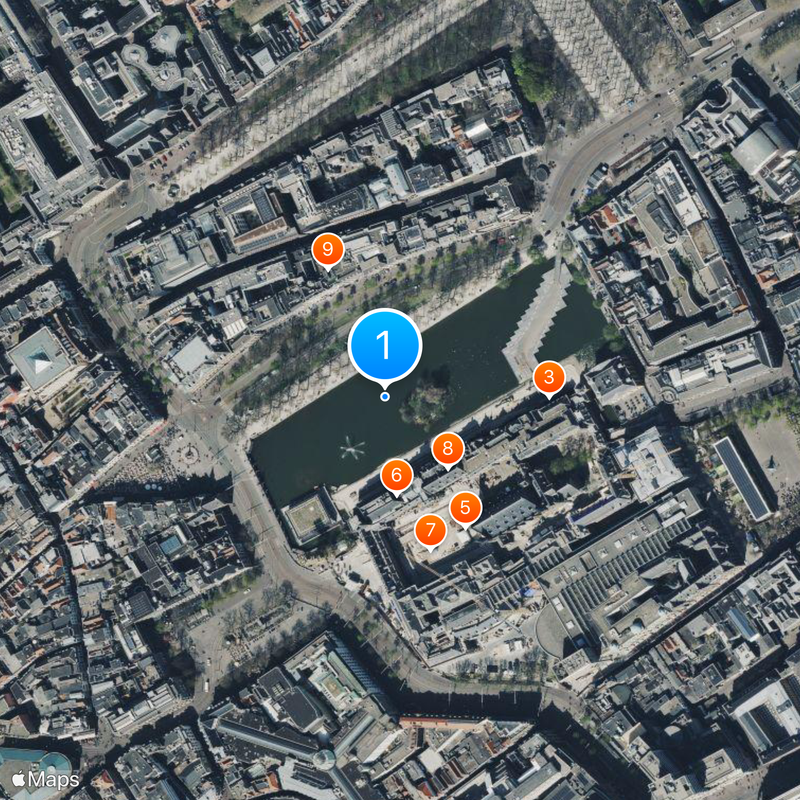
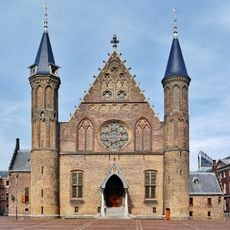
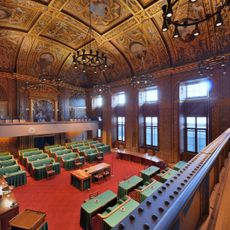
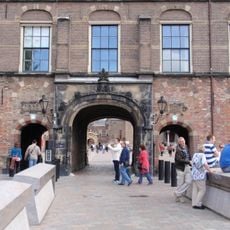
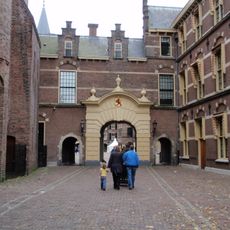
The Senate is the upper chamber of Parliament in The Hague and consists of 75 members who meet in the Binnenhof complex. The chamber reviews legislation that has already passed through the House of Representatives and votes to approve or reject it, without the power to amend.
King William I introduced the chamber in 1815 to answer Belgian calls for structured lawmaking. The two-chamber system aimed to distribute power and bring regional voices into national decisions.
Senators often continue working in their professional fields while serving in parliament, bringing everyday expertise into legislative debates. This connection between the workplace and lawmaking shapes the chamber's discussions, where speakers draw on careers in law, medicine, business, or education.
Sessions usually take place on Tuesdays and can be followed by the public when the chamber is open. The debate follows set procedural rules that govern how draft laws are examined and brought to a vote.
Members reach their seats not through direct election but through appointment by Provincial Councils, making this the only parliamentary chamber chosen at the regional level. This indirect route brings a different perspective into lawmaking, as senators represent their provinces rather than individual constituencies.
The community of curious travelers
AroundUs brings together thousands of curated places, local tips, and hidden gems, enriched daily by 92,121 contributors worldwide.