Agnetapark, Garden village in Delft, Netherlands
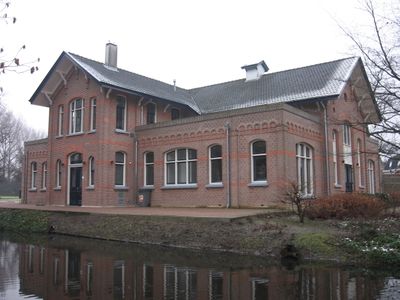
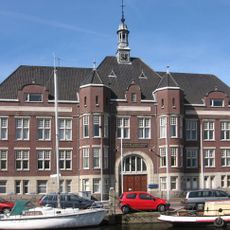
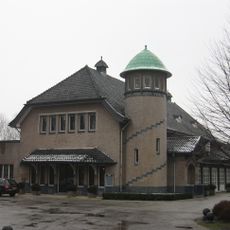
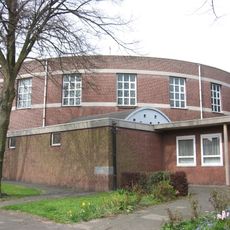
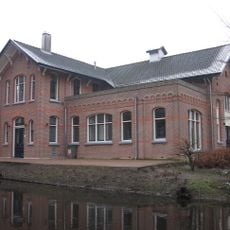
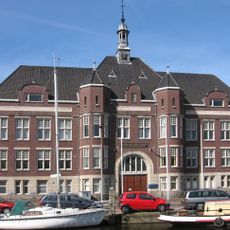
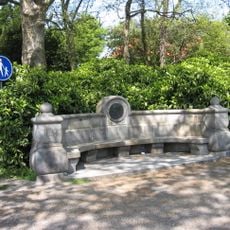
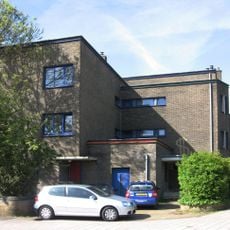
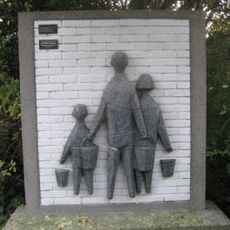
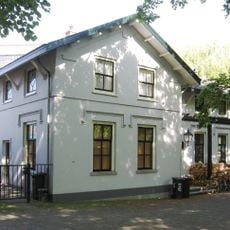
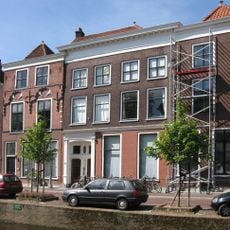
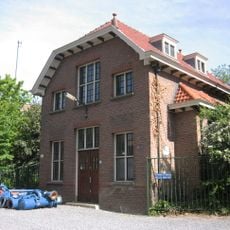
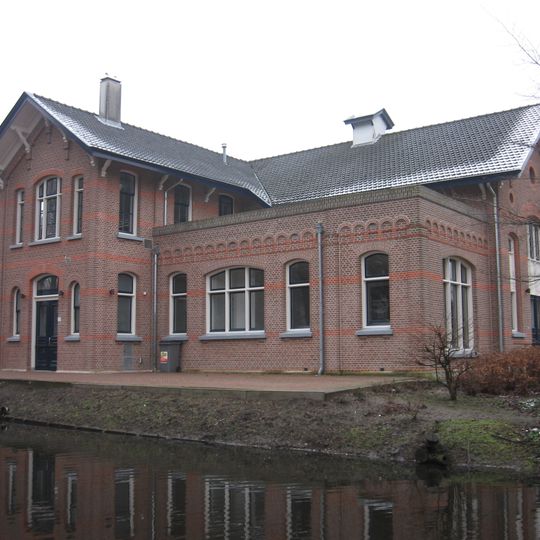
Agnetapark is a garden village in Delft, protected as a national monument, made up of small houses arranged around green spaces and curved pathways. Alongside the houses, the layout also includes shared buildings such as a community house and a school.
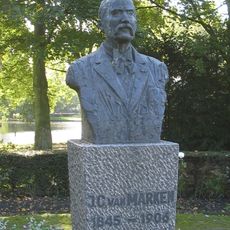
Jacob van Marken and his wife Agneta founded this settlement in 1881 as housing for the workers of their yeast and spirits factory nearby. It became one of the first examples of planned worker housing in the Netherlands, influencing later efforts to improve living conditions for factory workers.
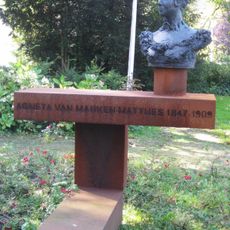
The name Agnetapark comes from Agneta de Bruijn, the wife of Jacob van Marken, who played an active role in shaping the project. Today the houses are still lived in, and walking through the village feels more like entering a quiet residential street than visiting a public attraction.
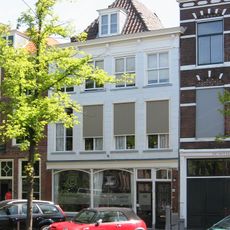
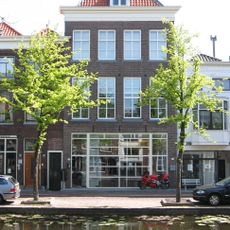
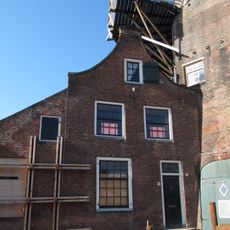
The village is freely accessible on foot at any time of day, and no ticket or reservation is needed to walk through it. Since the houses are private homes, visitors are welcome to explore the pathways and look at the facades from the outside.
The design of Agnetapark drew on English garden city ideas at a time when that movement had not yet fully taken shape in England itself. This makes it one of the earliest built examples of this approach to urban planning in Europe.
The community of curious travelers
AroundUs brings together thousands of curated places, local tips, and hidden gems, enriched daily by 91,849 contributors worldwide.