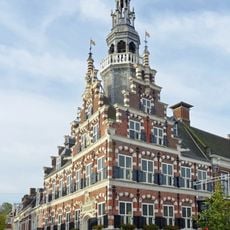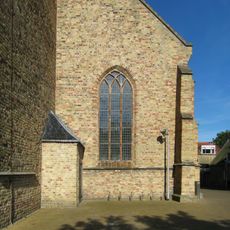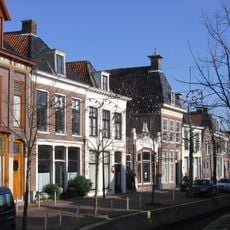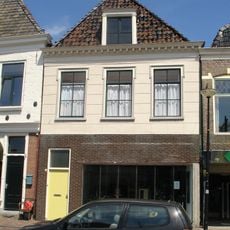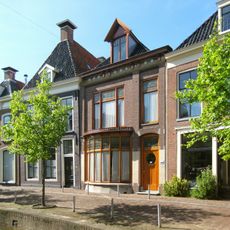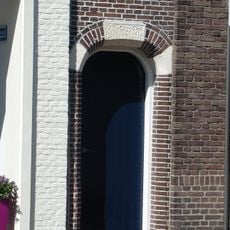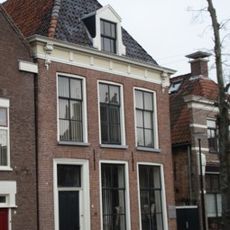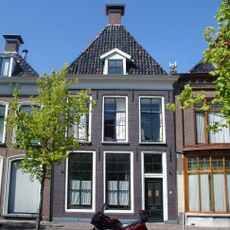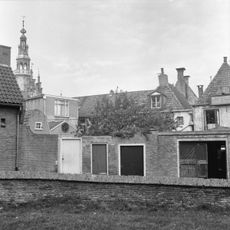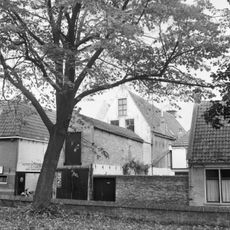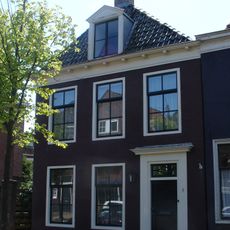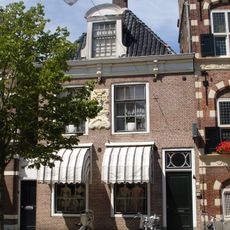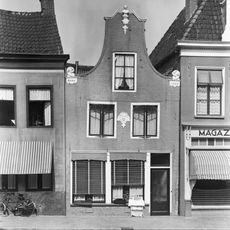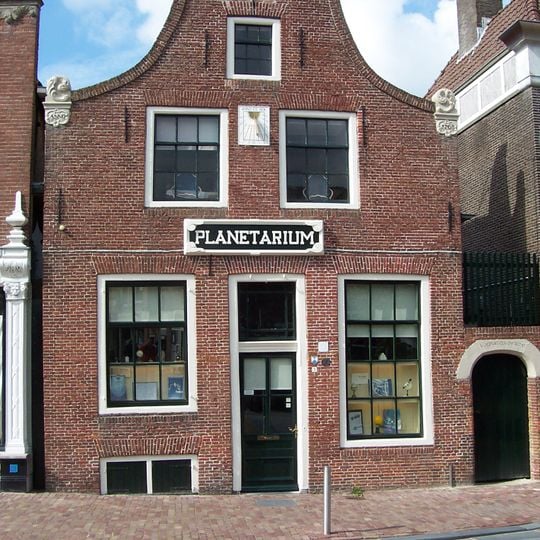
Eise Eisinga Planetarium, 18th century planetarium in Franeker, Netherlands
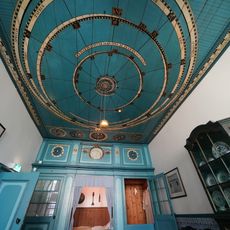
The Eise Eisinga Planetarium is a mechanical sky display built into the ceiling of a canal house in Franeker that maps the movements of planets and moons. The system uses wooden rings, metal plates, and numerous gears that stretch through multiple rooms to replicate celestial motions with remarkable accuracy.
A wool merchant constructed this device between 1774 and 1781 to demonstrate that the movements of celestial bodies follow mathematical patterns rather than appearing random. The project emerged during an era when such elaborate mechanisms were rare and required enormous faith in emerging scientific ideas.
The planetarium embodies how a self-taught craftsperson earned his community's respect through scientific skill and determination. Visitors experience how curiosity and precision became part of everyday life in a merchant's home.
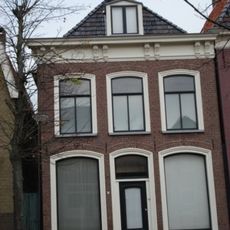
The installation occupies a residential house that is open as a museum, with mechanical components visible from above and throughout multiple levels. Taking a guided tour or using available aids helps visitors understand how the various rooms and floors connect to form the complete system.
The mechanism relies on more than 10,000 hand-forged nails and over 100 wooden pulleys that work together to move the system with remarkable precision. This intricate network of parts continues to calculate planetary positions accurately decades after its construction, defying expectations about how long such delicate machinery could function.
The community of curious travelers
AroundUs brings together thousands of curated places, local tips, and hidden gems, enriched daily by 91,782 contributors worldwide.