Munsterabdij, convent in Roermond, Netherlands
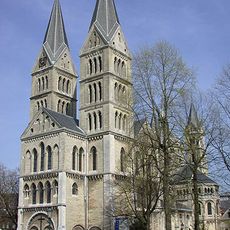
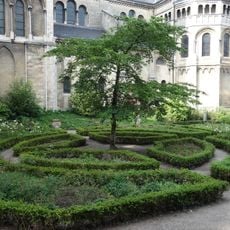
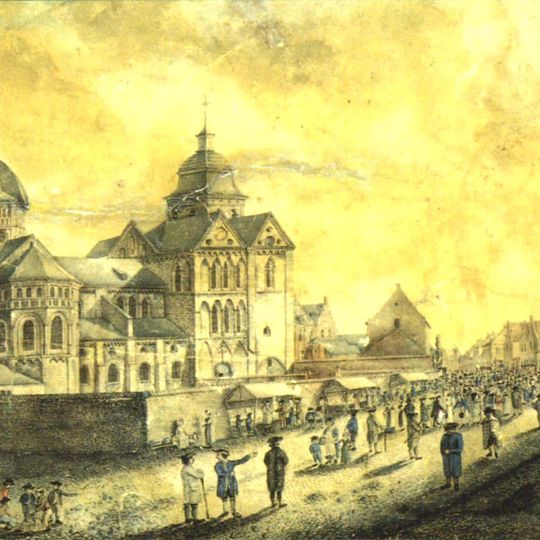
The Munsterabdij is an old monastery in Roermond that originally housed nuns, and today only the Munster church survives from the original abbey with its Gothic architecture featuring high arches and large windows. The site contains archaeological remains hidden beneath the ground along with visible stone walls that tell the story of what once stood there.
The monastery was founded around 1218 and officially dedicated in 1224, with Richarda of Bavaria serving as the first abbess leading the community of Cistercian nuns. In 1797 the French forced the nuns to leave and converted the buildings into barracks and a prison, after which most of the original structures were demolished in the decades that followed.
The Munsterabdij was a place where nuns lived together, prayed, and worked following strict rules for centuries. The women who lived here spent their days in the church, tended the gardens, and made clothing, creating a life centered on faith that left a lasting mark on Roermond's community.
The site is located in the heart of Roermond near the main square and is easily reached on foot or by bicycle, with the Munster church still in use for parish events and ceremonies. Visitors can use a mobile app with an archaeologist guide to explore the excavation site and learn more about the hidden remains beneath the ground.
The archaeological site contains about 50 relic heads of saints and bone-filled figures that were placed at altars and often go unnoticed by visitors. A special steel tile marks the spot where these hidden treasures lie beneath the ground, revealing an unexpected layer of devotion that took place here over centuries.
The community of curious travelers
AroundUs brings together thousands of curated places, local tips, and hidden gems, enriched daily by 92,017 contributors worldwide.