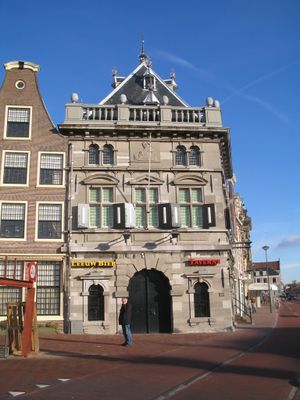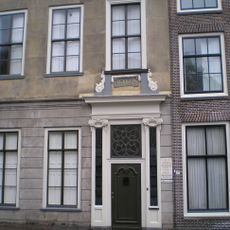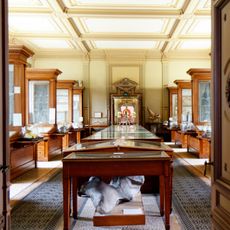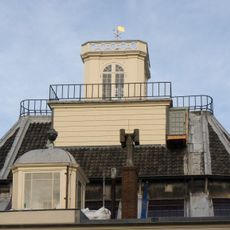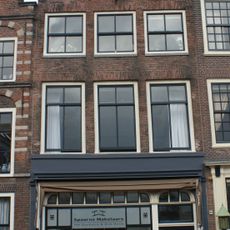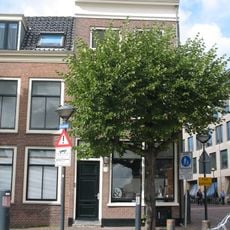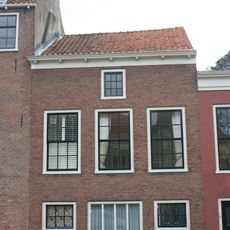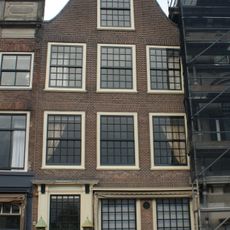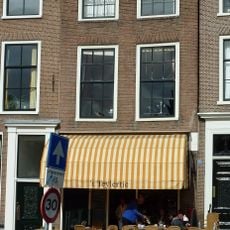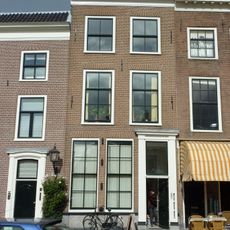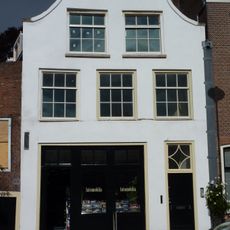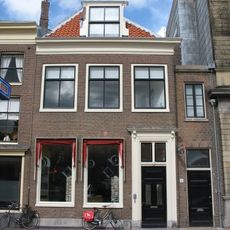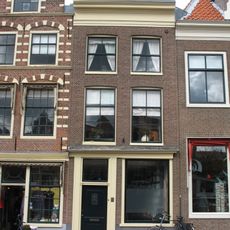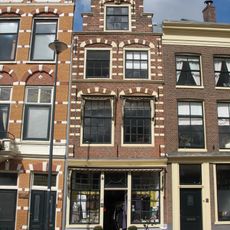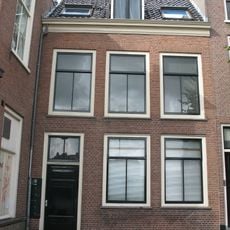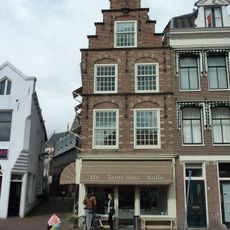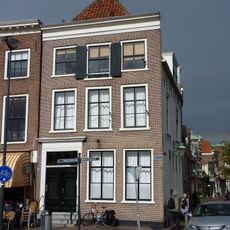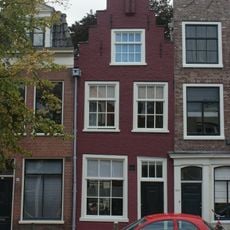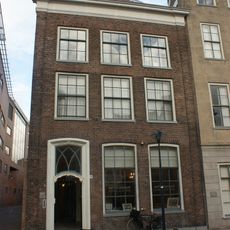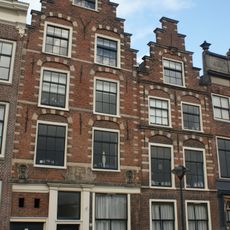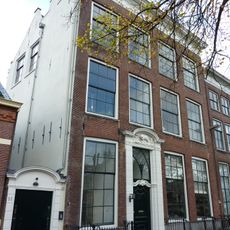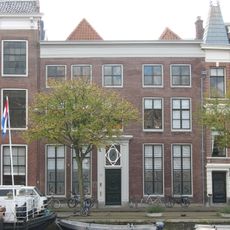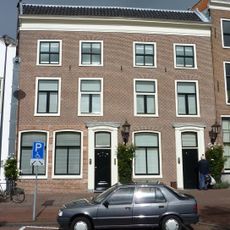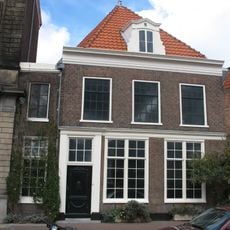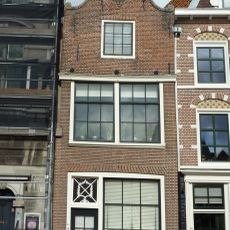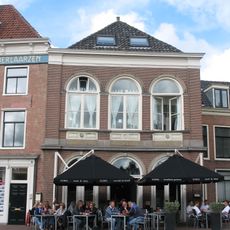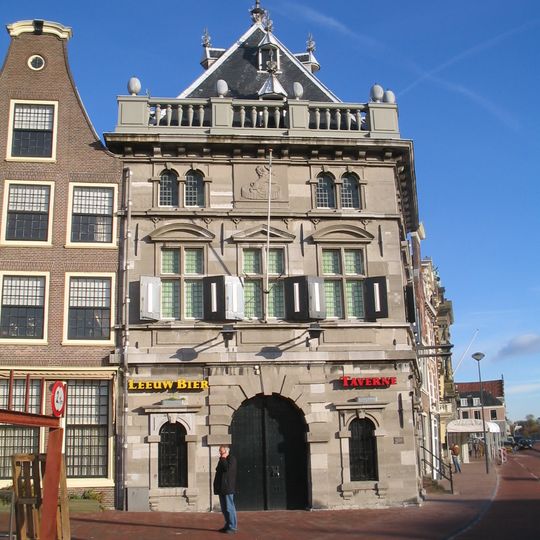
Waag, Renaissance weigh house in Haarlem, Netherlands.
The Waag is a Renaissance structure built in 1597 by architect Lieven de Key, constructed from blue limestone quarried in Namur and located at a key position near the Spaarne River. The building displays the compact design typical of civic structures from this period, with its ground floor and upper levels housing different functions throughout its existence.
The building was designed in 1597 by architect Lieven de Key and served as a weighing house where merchants measured goods before trading. This commercial function made it a vital hub for economic activity in 17th-century Haarlem and shaped how the city controlled and documented trade.
The upper floor has housed the art association Kunst zij ons doel since 1821, offering exhibition space for local artists. This presence has turned the building into a gathering place where the community engages with contemporary creative work.
The ground floor contains a cafe where visitors can relax and observe daily activity in the building. The central location in Haarlem makes it easily accessible on foot from the main shopping and cultural areas of the city.
The structure received Rijksmonument status in 1969, placing it under strict preservation guidelines for any modifications or restoration work. This designation reflects its national importance and ensures that its historical characteristics are protected against unsympathetic modern changes.
The community of curious travelers
AroundUs brings together thousands of curated places, local tips, and hidden gems, enriched daily by 92,634 contributors worldwide.