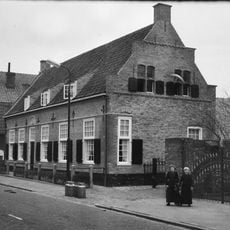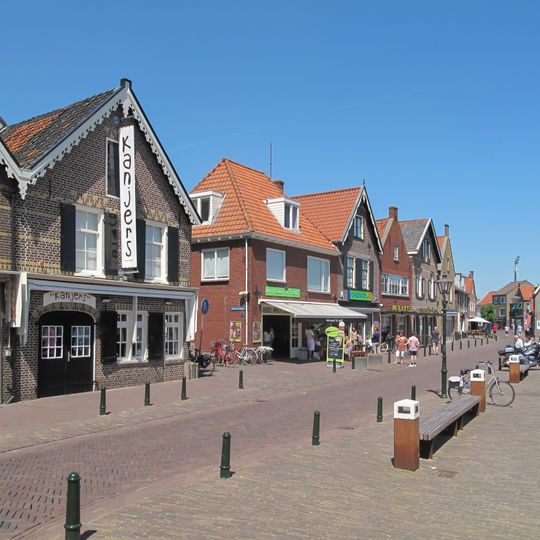
Spakenburg, Traditional fishing village in Utrecht, Netherlands
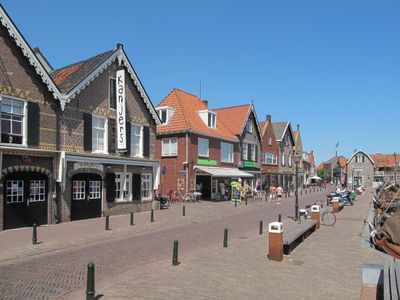
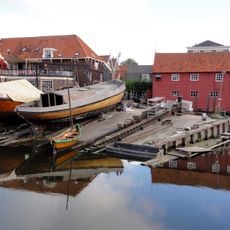
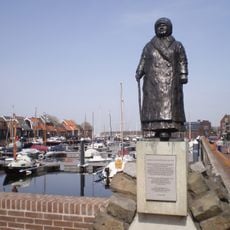
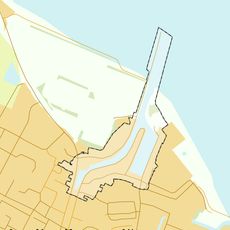
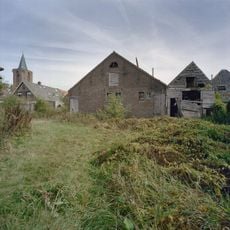
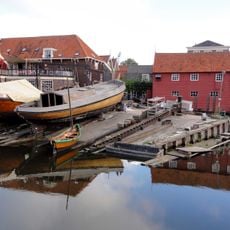
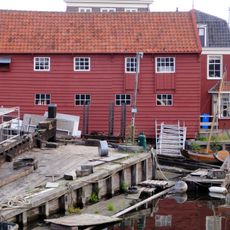
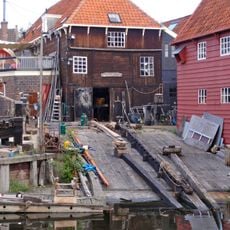
Spakenburg is a fishing village in Bunschoten, Utrecht, built around an old harbor where wooden fishing boats called botters are moored and maintained. The settlement spreads along narrow waterways where boat builders still practice their craft and residents live by the rhythms of water and maritime work.
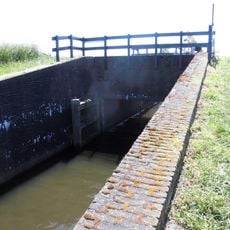
The settlement grew as a fishing community on the Zuiderzee until 1932, when the Afsluitdijk dam transformed the salt water into fresh water. This shift forced locals to adapt their fishing practices and reshape their entire way of life around the new IJsselmeer.
The village maintains traditional craftsmanship in needlework and weaving visible on the embroidered costumes with geometric patterns worn by residents. These garments remain woven into daily life rather than confined to museums, reflecting how locals stay connected to their past.
The village is accessible by public transport and sits about one hour from Amsterdam, making it a manageable day trip from the city. Walking or cycling works best here since the narrow paths and waterways are not suited for regular vehicle traffic.
Many residents still wear their traditional costumes in everyday life, making this village a living museum where old customs are actively practiced rather than simply preserved. This habit sets it apart from other European communities where such clothing appears only on special occasions.
The community of curious travelers
AroundUs brings together thousands of curated places, local tips, and hidden gems, enriched daily by 92,750 contributors worldwide.