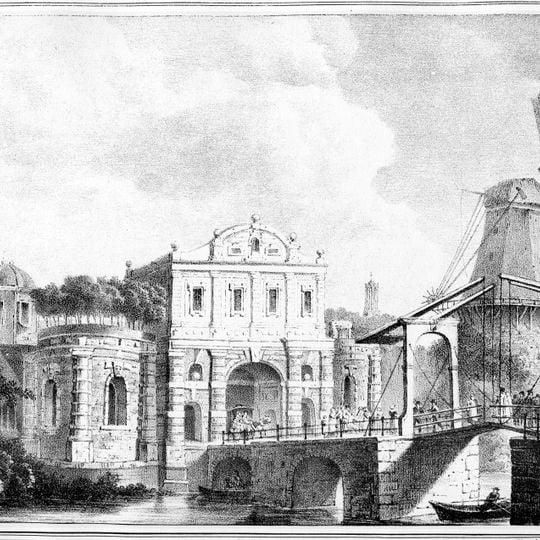
Catharijnepoort, city gate in The Netherlands
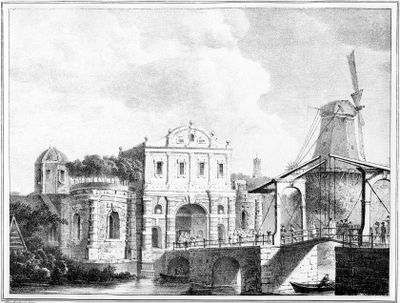
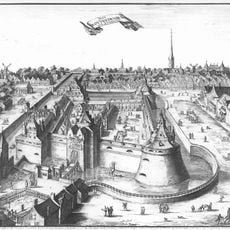
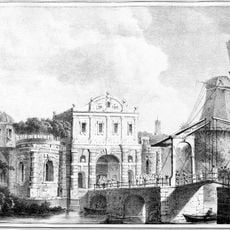
The Catharijnepoort was a sturdy stone gate on the west side of Utrecht and served as a major entrance to the city during medieval times. The structure contained several interior rooms used to store gunpowder, keep city records, and hold prisoners from the southern part of the city.
The gate was built in the 12th century and stood about 25 meters high with a sturdy stone construction. It was redesigned between 1621 and 1625 by architect Paulus Moreelse and was demolished around 1845 as the city removed its medieval fortifications.
The gate took its name from a nearby monastery dedicated to Saint Catherine, reflecting how religious and civic life were intertwined in medieval Utrecht. This connection between the religious community and the city's main entrance shows the importance of the church in shaping urban life.
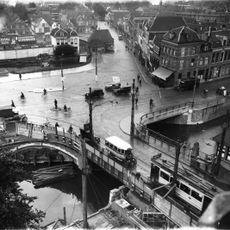
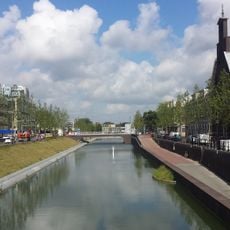
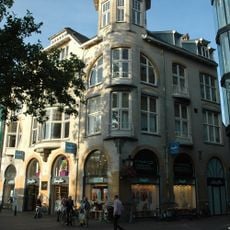
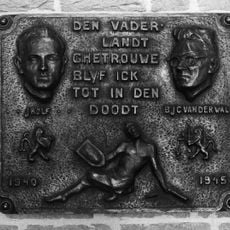
The gate once stood on the west side of Utrecht where Catharijnebaan and Vredenburg meet, now a lively part of the city. Visitors walking through this area can still trace the history by exploring the streets and noting the memorial stone on Smakkelaarsbrug, which shows what the gate looked like in 1625.
A marble relief sculpture on Smakkelaarsbrug by artist Toon Rijkers shows what the gate looked like in 1625 alongside the seal of Emperor Hendrik V. This memorial marks the spot where the gate once stood and keeps a visual record of this important part of Utrecht's past.
The community of curious travelers
AroundUs brings together thousands of curated places, local tips, and hidden gems, enriched daily by 92,544 contributors worldwide.