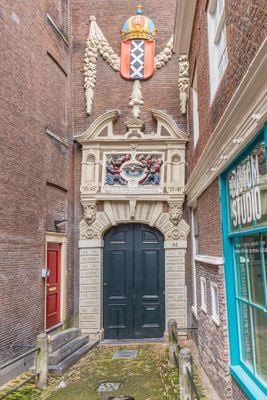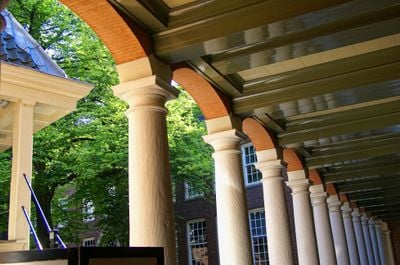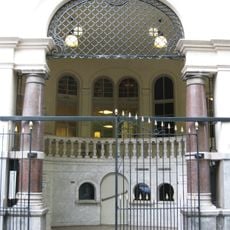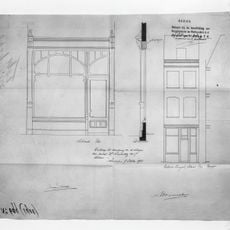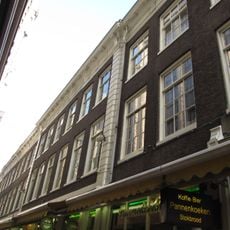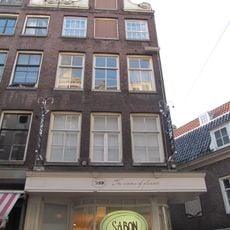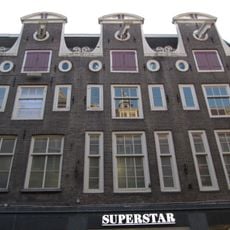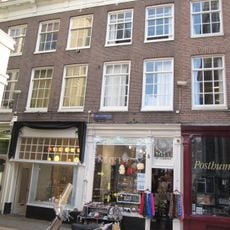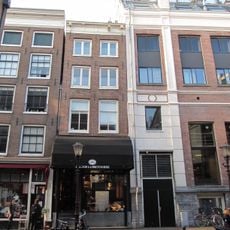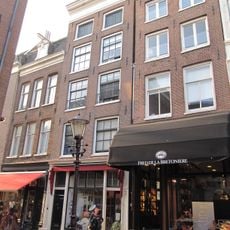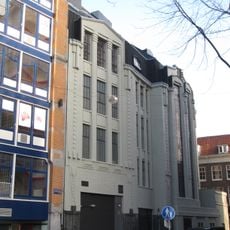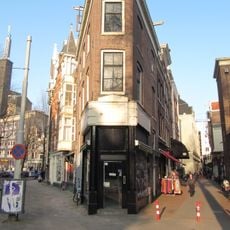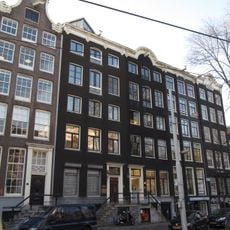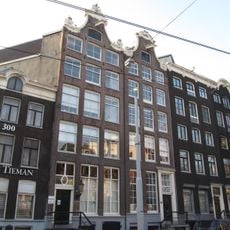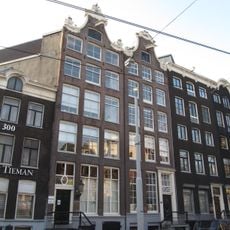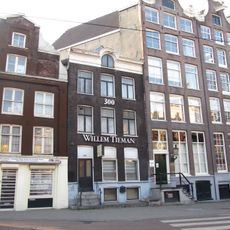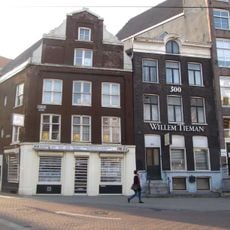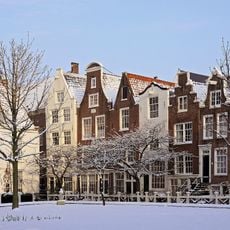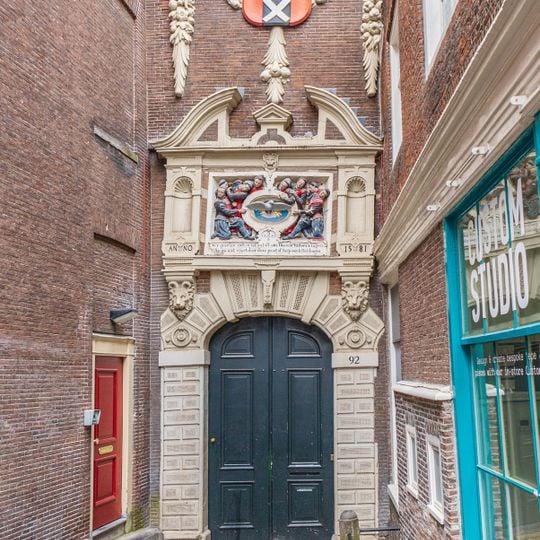
Burgerweeshuis, Former orphanage in central Amsterdam, Netherlands
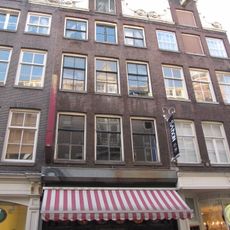
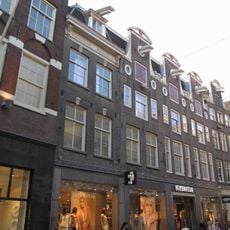
Burgerweeshuis is a former orphanage in central Amsterdam with a large connected layout. The building comprises 336 interconnected modular units arranged around an inner courtyard and features distinctive convex roofs made from synthetic materials.
The orphanage was established in 1520 by wealthy citizens and initially admitted only children from families with special Amsterdam residence rights. After centuries of use, it was renovated in 2015 and converted into office and exhibition space.
The orphans wore uniforms split into red on the left and black on the right, mirroring Amsterdam's historical colors. These distinctive outfits made the children immediately recognizable as they moved through the city streets.
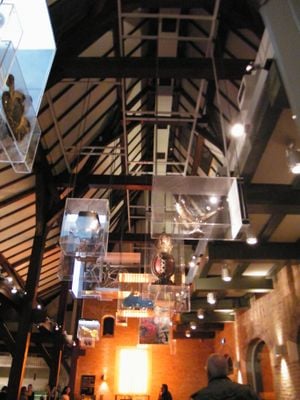
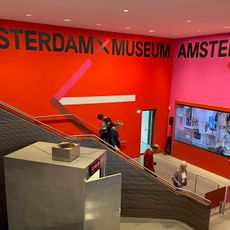
Today the building serves as office and exhibition space displaying an art collection following its renovation. The modular structure with numerous rooms and interior passages invites self-guided exploration, and it helps to walk slowly to understand the different levels and connected areas.
Architect Aldo van Eyck designed the building as a maze of interconnected interior and exterior spaces that turned children's movement through the grounds into an adventure. This unusual spatial arrangement is considered an example of innovative 20th-century orphanage architecture.
The community of curious travelers
AroundUs brings together thousands of curated places, local tips, and hidden gems, enriched daily by 92,404 contributors worldwide.