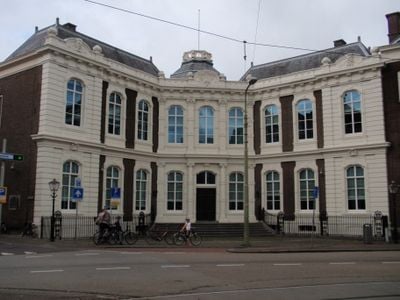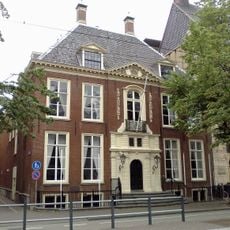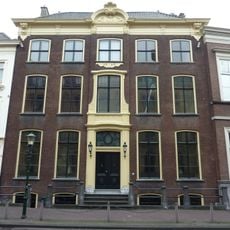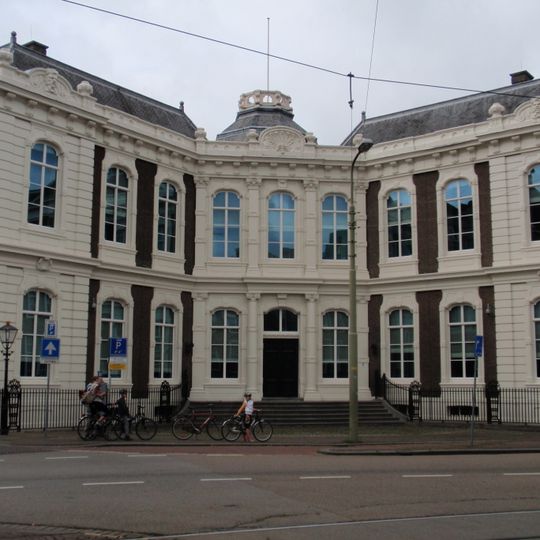
Kneuterdijk Palace, Royal palace in The Hague, Netherlands.
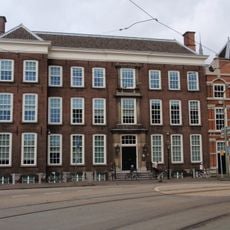
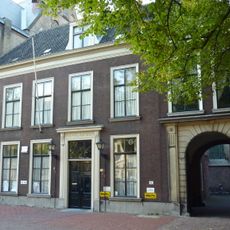
Kneuterdijk Palace is a Louis XIV-style royal residence in The Hague, designed by architect Daniel Marot in 1716, featuring grand architectural details throughout. The building now serves as home to the Council of State and contains carefully restored interior spaces with elaborate rooms.
The palace was commissioned in 1716 by Count Johan Hendrik of Wassenaer-Obdam as a symbol of wealth and influence. In the 19th century, it became home to King William II and Queen Anna Paulowna.
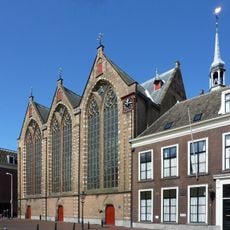
The Gothic Hall reflects European architectural influences that visitors can observe in its design details and proportions. You can see how international styles were adapted into the local aristocratic world.
The palace functions as the seat of the Council of State, which limits public access to the interior, though exterior views are always available. Check ahead for any special openings or tours rather than expecting regular visitor hours.
After World War II, the former ballroom was converted into a courtroom where Dutch war criminals were tried and some received death sentences. This somber chapter in the building's post-war history often goes unnoticed by visitors today.
The community of curious travelers
AroundUs brings together thousands of curated places, local tips, and hidden gems, enriched daily by 91,372 contributors worldwide.