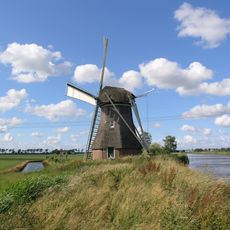
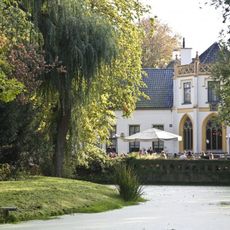
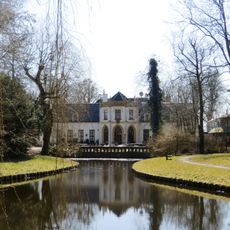
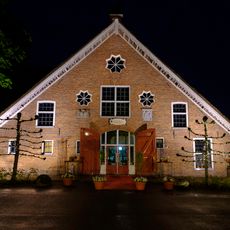
Groningen gas field, Natural gas field in Slochteren, Netherlands
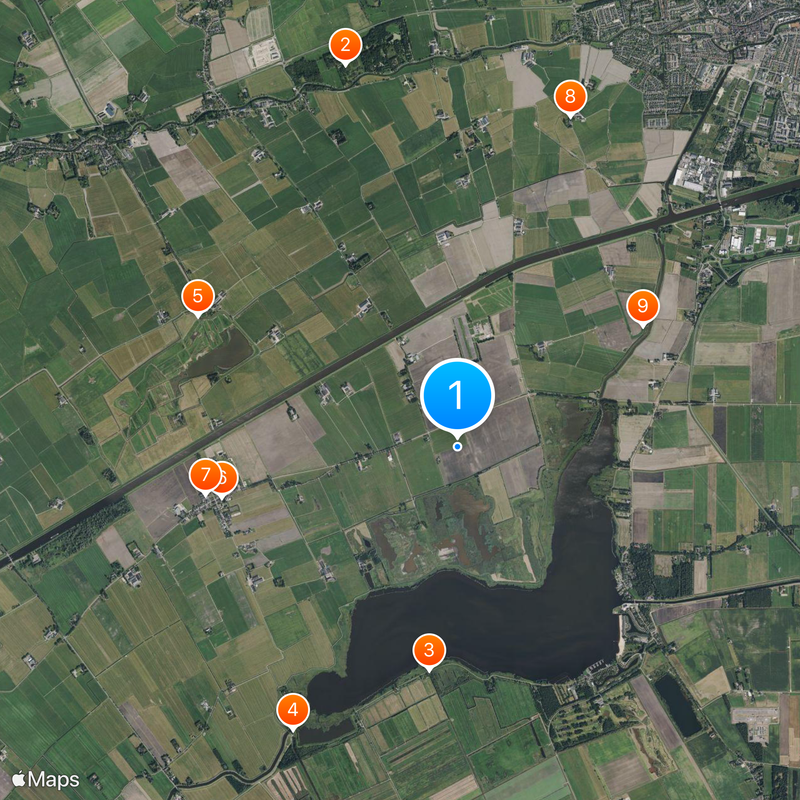
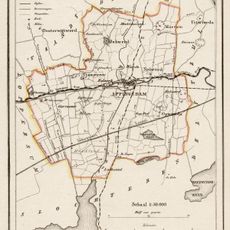
The Groningen gas field stretches across 875 square kilometers in the northeastern Netherlands, with natural gas deposits located between 2,600 and 3,200 meters below the surface. The field sits mostly beneath the province of Groningen and extends into neighboring areas, with numerous extraction sites distributed across the region.
The field was discovered in 1959 near Slochteren, transforming the Netherlands into a major energy producer with initial reserves of 2,900 billion cubic meters. Production began in the early 1960s and peaked during the 1970s before gradually declining due to earthquake activity, leading to complete shutdown in 2023.
The discovery transformed everyday life across the Netherlands during the 1960s, as millions of homes switched from coal and town gas to natural gas heating and cooking. Revenue from this field funded the expansion of public infrastructure and helped finance the Dutch welfare state, shaping social development across the country for decades.
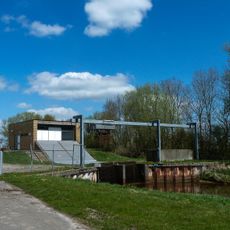
Extraction operations decreased steadily from 2014 due to seismic activity and stopped entirely in October 2023. Surface facilities and well sites are scattered across much of Groningen province, though public access is heavily restricted as these remain industrial sites.
The gas contains 14 percent nitrogen, requiring special modifications to household appliances throughout the Netherlands, Germany, Belgium, and northern France. This characteristic made Groningen gas a distinct standard that influenced appliance manufacturing across several countries for decades.
The community of curious travelers
AroundUs brings together thousands of curated places, local tips, and hidden gems, enriched daily by 91,641 contributors worldwide.