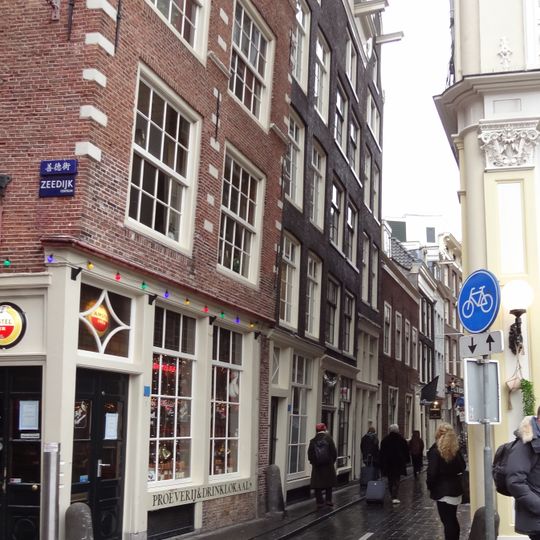
Sint Olofspoort, street in Amsterdam, the Netherlands
Sint Olofspoort was a large stone gate in Amsterdam's city wall, built around 1370 with a tower on the city side and connected to a bridge over a canal. The gate marked one of the main entrances to the city in early times, with reinforced defenses on the canal's far side.
The gate was built around 1370 and served as part of Amsterdam's defenses until it was torn down in 1618 as the city expanded beyond its original walls. In the 15th century, the gate was first abandoned and later used as a prison before being removed during the city's growth.
Sint Olofspoort likely takes its name from Saint Olaf, a Viking king who became Christian around the year 1000, or from Saint Odulphus of Brabant, regarded as a protector of dikes. Since the gate stood near the Zeedijk, a dyke, the second origin makes sense and shows how the city's defenses connected to religious symbols.
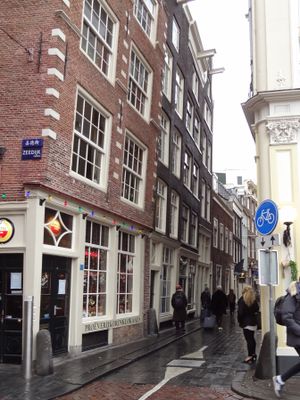
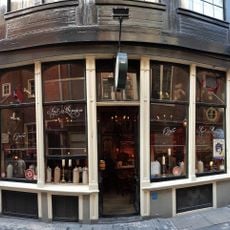
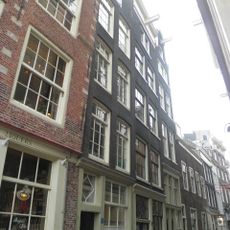
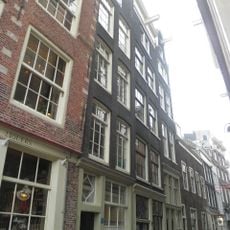
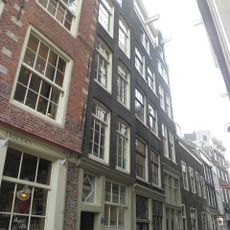
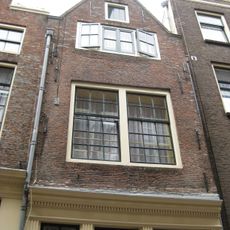
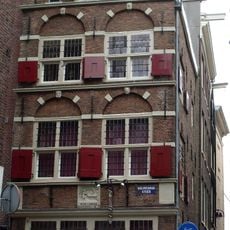
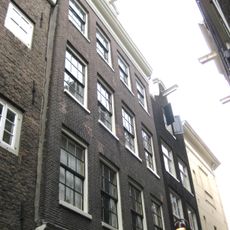
The gate no longer exists, but a small alley still called Sint Olofspoort connects Warmoesstraat and Zeedijk at the site of the former gate. The narrow passage with old brick buildings on both sides is easy to reach on foot and is part of the city's historic center.
Archaeological digs in the 1970s uncovered daily items left by gate guards, including dishes and bones from cattle, pork, and fish that reveal eating habits of the time. A rare find in 1969 was a knight's helmet along with children's toys, showing that guards had time to relax and play during their shifts.
The community of curious travelers
AroundUs brings together thousands of curated places, local tips, and hidden gems, enriched daily by 90,758 contributors worldwide.