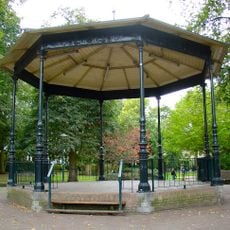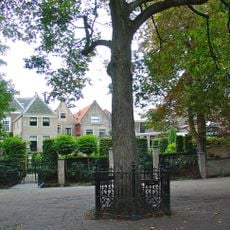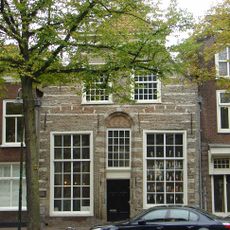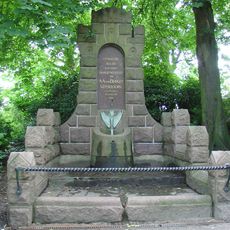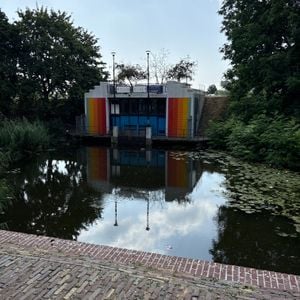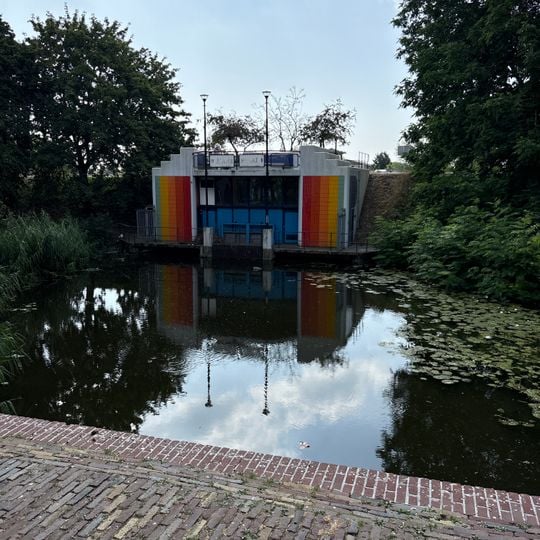
Hanepraaisluis, Historic structure in Gouda, Netherlands
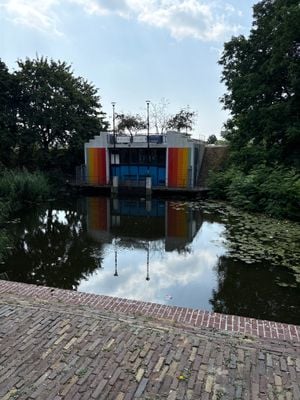
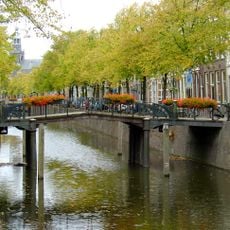
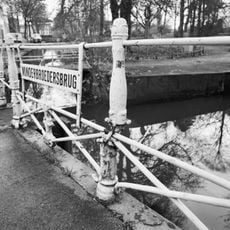
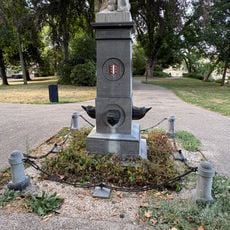
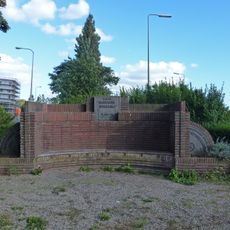
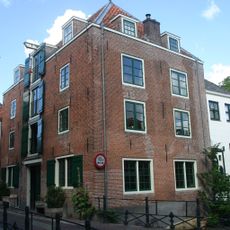
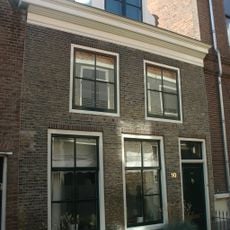
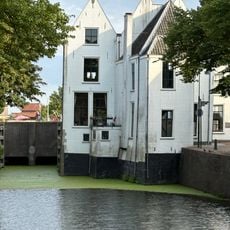
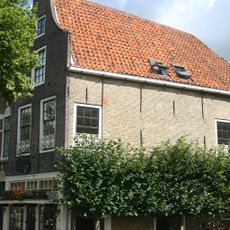
Hanepraaisluis is a historic structure in Gouda, Netherlands, situated along the Gouwe river where a lock once controlled water flow between the Gouwe and the Hollandsche IJssel. The current footbridge stands on the foundations of a steam pumping station that was later built on the same site.
The lock was built in 1535 at the request of Emperor Charles V to drain excess water from the Gouwe into the Hollandsche IJssel. The original structure was demolished in 1855 and replaced by a steam pumping station, which itself was decommissioned in 1938.
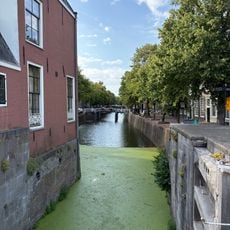
The name 'Hanepraai' comes from the Dutch word 'aanpraaien', meaning to call out to passing ships. Locals in Gouda still use this name for the stretch between the Oosthaven and the Fluwelensingel.
The structure is freely accessible from the outside and easy to spot while walking along the Fluwelensingel. The footbridge leads directly to the nearby Houtmansplantsoen park, making it a natural stop on a short walk through the area.
The original lock was also known as the Mallesluis and allowed small boats, often carrying peat, to pass through the city without paying a toll. This meant they could bypass the busier main routes and avoid waiting for larger vessels.
The community of curious travelers
AroundUs brings together thousands of curated places, local tips, and hidden gems, enriched daily by 92,400 contributors worldwide.