Nagele, Modernist village in Noordoostpolder, Netherlands.
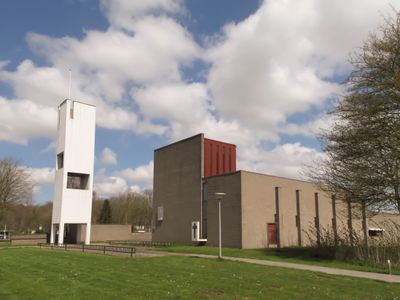
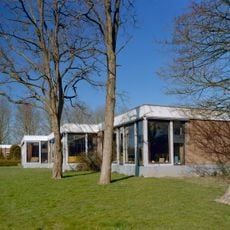
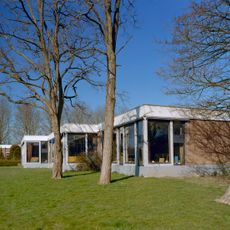
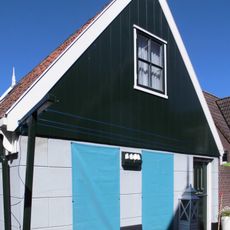
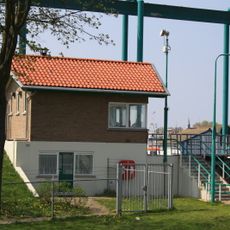
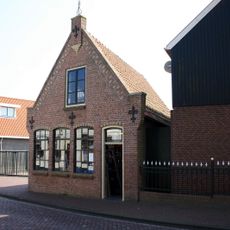
Nagele is a village in Noordoostpolder designed with modern planning principles where residential buildings form connected courtyards around central green spaces and create clearly defined neighborhood areas. The layout uses geometric patterns and careful positioning of streets, buildings, and open spaces to shape how residents move through and experience the community.
The village was built between 1948 and 1954 as part of the Zuiderzee land reclamation project, when architects De 8 designed it following modern planning principles. This period marked a turning point in how communities were organized and built in the Netherlands after major land projects.
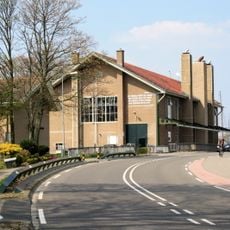
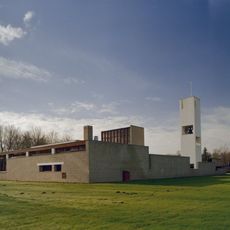
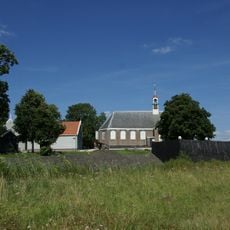
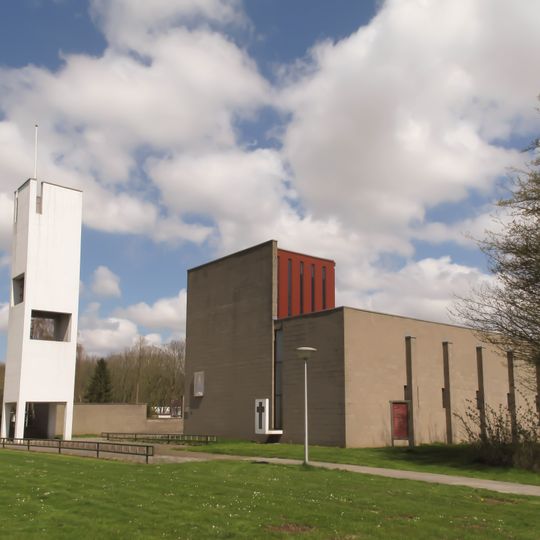
The village reflects intentional planning of shared spaces, where churches and schools serve as focal points for neighborhoods. These buildings shape daily community life and create gathering places that define how residents interact.
The village is accessible by bicycle or car with clearly laid out roads, and sits south of Emmeloord making navigation straightforward. Train stations in Kampen or Lelystad offer the nearest connections for visitors without personal transport.
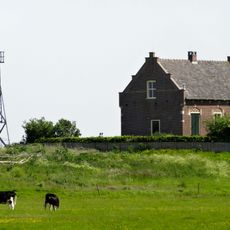
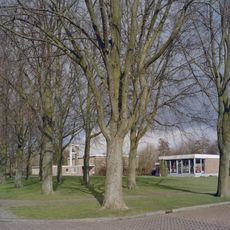
The village sits approximately 3 meters below sea level and is surrounded by a protective windbreak of trees that shapes its spatial boundaries. This feature reveals how the design works with water management and landscape to keep the community safe.
The community of curious travelers
AroundUs brings together thousands of curated places, local tips, and hidden gems, enriched daily by 92,078 contributors worldwide.