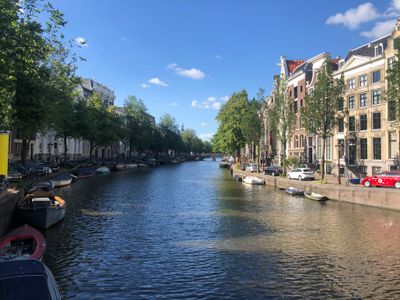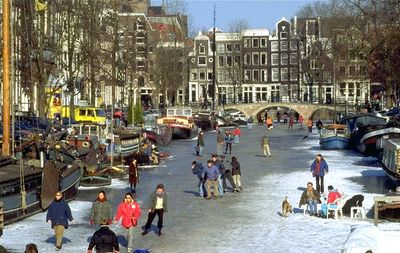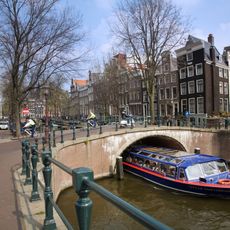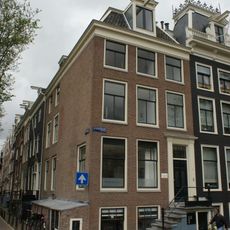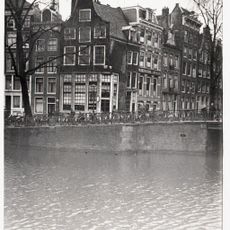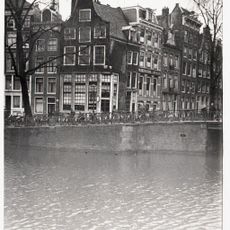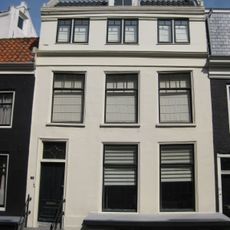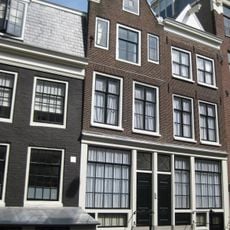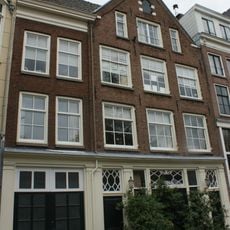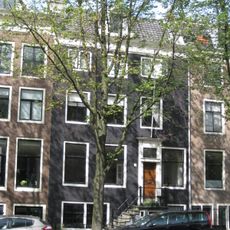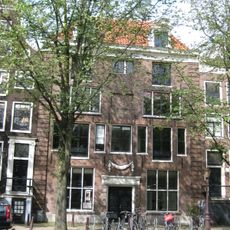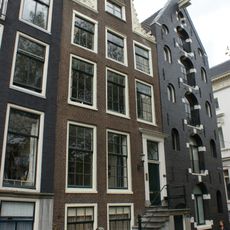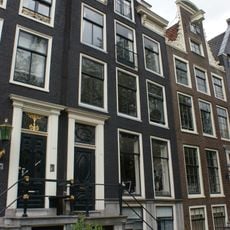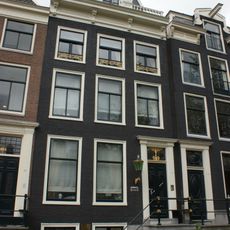
Keizersgracht, Canal in Amsterdam, Netherlands
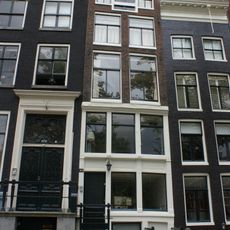
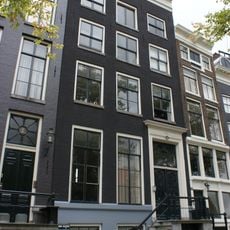
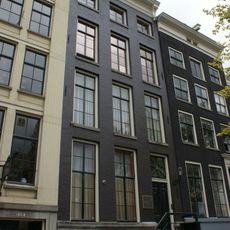
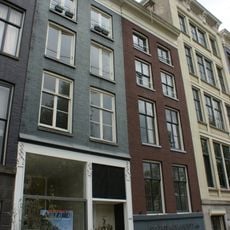
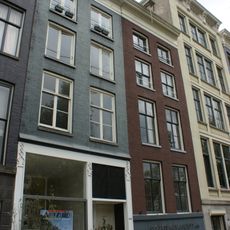
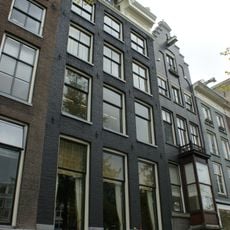
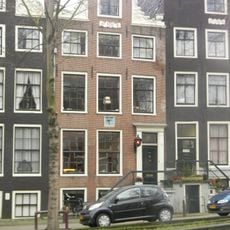
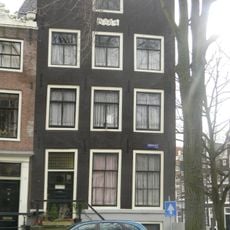
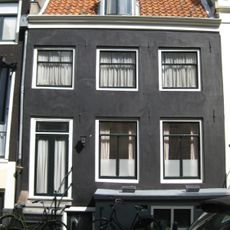
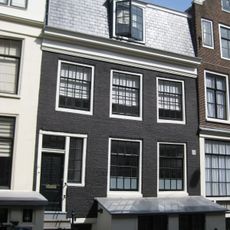
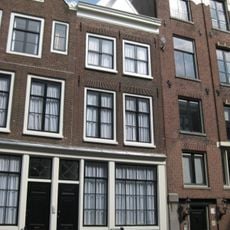
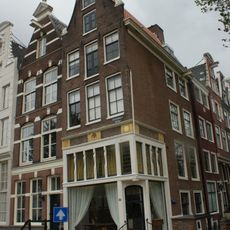
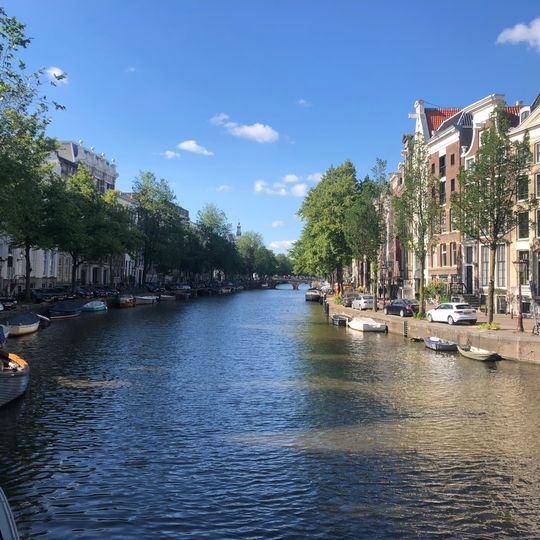
Keizersgracht is a wide canal in the center of Amsterdam, the middle one between Herengracht and Prinsengracht. It runs for about 2.8 kilometers and is lined with narrow brick houses from the 1600s and 1700s, crossed by 14 fixed stone bridges.
The canal was first dug in the summer of 1615, soon after the neighboring Prinsengracht, and was named for Emperor Maximilian I. Plots along the east side were sold later that year, and within about three years most of the land was filled with houses and warehouses.
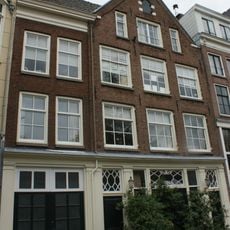
The building at number 123 carries sculpted heads of Roman gods on its gable, giving it the local name House with the Heads. Nearby, the Rode Hoed at number 102 began as a hat shop and later became a discreet meeting place for a Protestant group, a shift visible in its understated facade.
A walk along either side gives good views of the old facades, and many sections have footpaths without much traffic. The canal is generally easy to reach on foot from the central station area, though evenings are quieter and less crowded.
A hidden pedestrian tunnel called the Poentunnel runs beneath the water, opened in 1974 to let people move between buildings without crossing the surface. It is now closed and sealed, so visitors only see a locked entrance and no trace of its former use.
The community of curious travelers
AroundUs brings together thousands of curated places, local tips, and hidden gems, enriched daily by 92,452 contributors worldwide.